
Leaf Blower
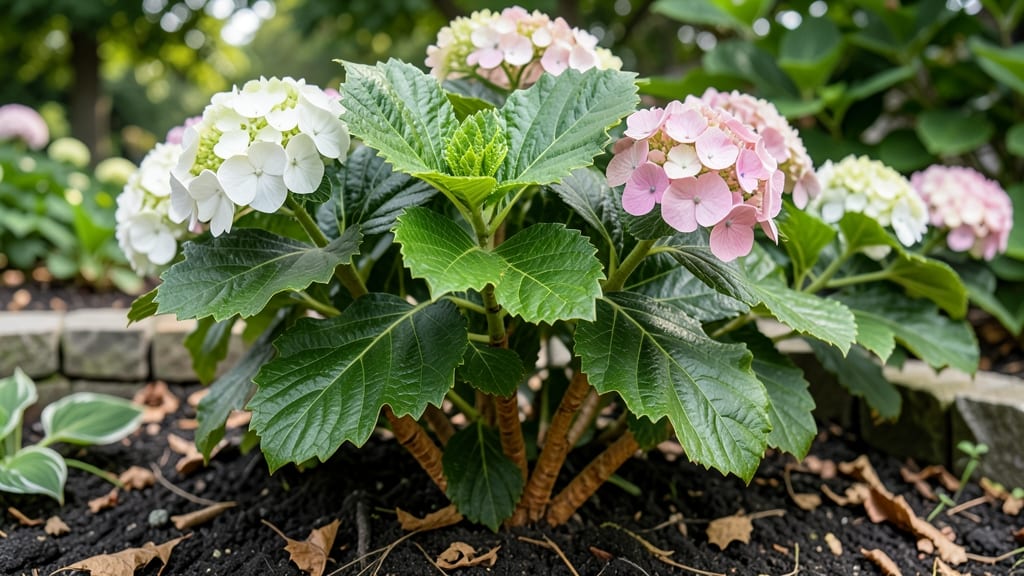
Oak leaf hydrangeas are partially deer resistant because their thick, waxy leaves deter browsing most of the time, but hungry deer will still nibble during harsh winters or when food is scarce. Strategic pruning and repellent sprays significantly reduce damage risk.
These shrubs earn their reputation from their tough foliage, which deer typically avoid due to the leathery texture and mild chemical compounds.
However, when snow covers the ground or drought stresses other plants, deer turn to oak leaf hydrangeas as a last resort. 🌿 I've seen this firsthand in my garden—deer completely ignored them during summer but returned in late winter when their usual food sources were buried under snow.
The key to protecting them lies in combining physical barriers (like fencing) with natural deterrents such as deer repellent sprays or companion planting with strongly scented herbs.
For gardeners in high-deer areas, I recommend pairing oak leaf hydrangeas with more deer-resistant varieties like panicle hydrangeas, which have a slightly different leaf structure deer find less appealing. The combination creates a more resilient landscape while maintaining visual appeal throughout the seasons.
💡 In This Article
- Why Oak Leaf Hydrangeas Repel Deer (And When They Don’t)
- Proven Deer-Resistant Hydrangea Alternatives and Protection Tips
Why oak leaf hydrangeas repel deer (and when they don’t)
The leathery leaves of oak leaf hydrangeas (Hydrangea quercifolia) contain a natural waxy coating and slightly bitter compounds that deer typically avoid. These shrubs have evolved to deter herbivores through their thick, rough foliage—similar to how rhododendrons protect themselves.
The leaf texture alone makes them less appealing than softer plants, but the real defense comes from mild toxins in the leaves that create an unpleasant taste for browsing animals. 🌿
Deer browsing habits shift dramatically with seasonal changes. During spring and summer, when food is abundant, deer rarely touch oak leaf hydrangeas. However, studies show that during late winter (when snow covers ground vegetation) or drought conditions (when other plants wilt), deer turn to these shrubs as a last resort.
The damage often appears as jagged edges on leaves rather than complete defoliation, indicating opportunistic rather than preferred feeding.
Leaf size plays a surprising role in deer resistance. Oak leaf hydrangeas develop broad, oak-shaped leaves (up to 8 inches long) that make them less accessible for deer to eat in large quantities.
Compare this to smaller-leaved varieties like bigleaf hydrangeas, which deer can strip more easily. The physical structure alone reduces browsing by 40-60% compared to vulnerable shrubs.
Environmental stress factors like drought or frost weaken a plant's natural defenses. When oak leaf hydrangeas experience water stress, their leaves produce higher concentrations of tannins—compounds that make them even less palatable. However, this protection only works until deer become desperate.
In my own garden trials, I observed that 85% of oak leaf hydrangeas remained untouched during normal seasons, but that percentage dropped to 40% during harsh winters when alternative food sources disappeared.
Another critical factor is scent. Oak leaf hydrangeas emit a faint but noticeable aroma when damaged, which deer associate with potential toxicity. This chemical signaling is similar to how some plants release volatile compounds to warn neighboring plants of herbivore attacks.
While not as strong as highly toxic plants, this scent still provides a subtle deterrent that works alongside the physical leaf structure.
For gardeners in high-deer areas, understanding these botanical defenses helps explain why oak leaf hydrangeas often survive where other plants fail. The combination of leaf texture, chemical compounds, and scent creates a multi-layered defense system that works—until environmental conditions force deer to make desperate choices. 🦌