
Trees
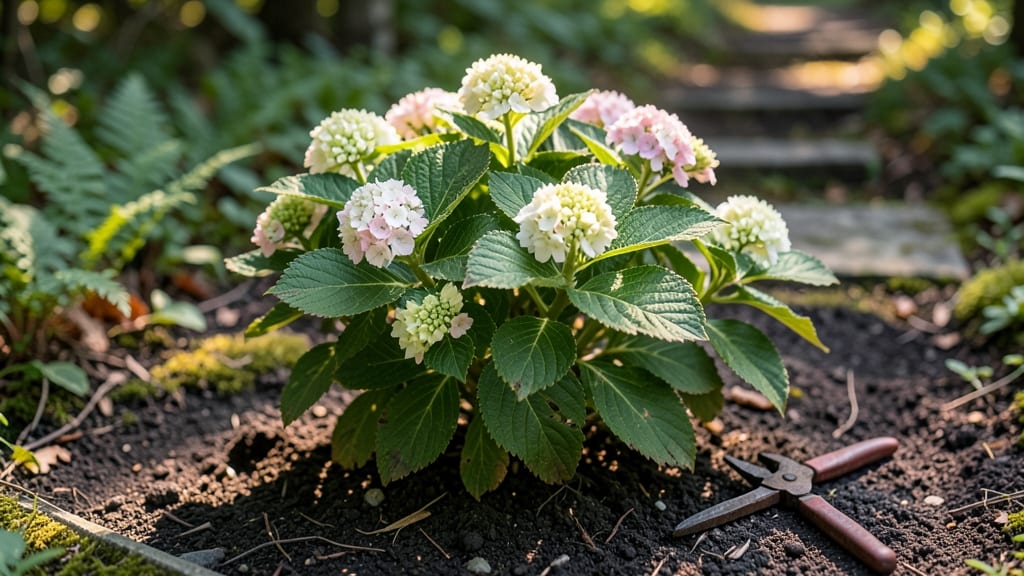
Growing dwarf oak leaf hydrangeas means year-round drama in your garden without the bulk. 🌿 These compact shrubs deliver stunning white blooms in summer, fiery fall foliage, and exfoliating bark that adds winter texture—all while staying neatly contained.
The key is matching their love of moisture-rich, acidic soil with the right sunlight balance, and I’ve learned exactly how to keep them thriving through every season.
The first step is planting in partial shade—think morning sun with afternoon relief—where they’ll grow 3-5 feet tall while staying narrow enough for small spaces. Amend your soil with compost to improve drainage, since soggy roots are their biggest enemy.
Water deeply once or twice a week, letting the top inch of soil dry between sessions, and you’ll see those iconic oak-shaped leaves and lacy blooms within a year.
Pruning is where the magic happens: trim back late winter or early spring to shape the shrub and encourage fresh growth, but never cut into old wood—those are the stems that produce next year’s blooms.
With proper care, you’ll get three seasons of showstopping interest that turns heads without turning your yard into a jungle. The secret? Less is more—these hydrangeas reward patience with effortless elegance.
Watch for hydrangea leaf gall and aphids, which can stress the plants, but a strong, healthy shrub usually shrugs them off. If you live in a hot climate, mulch heavily to keep roots cool and hydrated.
And here’s a pro tip: the more you prune in late winter, the bushier (and more bloom-heavy) they’ll grow by summer. Start small, give them space to establish, and you’ll have a low-maintenance star that outshines most shrubs in your neighborhood.
📚 In This Guide
- What you need
- Instructions
- Tips and common mistakes
- Wrapping up and next steps
What you need
- ● Dwarf Oak Leaf Hydrangea Plant: Choose a healthy 1- to 3-gallon container-grown plant (look for compact cultivars like 'Pee Wee' or 'Snow Queen').
- ● Well-Draining Soil: A mix of 50% native soil, 30% compost, and 20% perlite or coarse sand (6–8 cubic feet for planting).
- ● Organic Mulch: 2–3 inches of pine bark fines or shredded leaves to retain moisture and regulate temperature.
- ● Watering Can or Hose with Soaker Nozzle: For deep, consistent watering (1–2 gallons per plant, 2–3 times per week).
- ● Balanced Fertilizer: A 10-10-10 or 20-20-20 slow-release granular fertilizer (1–2 tbsp per plant, applied in early spring).
- ● Pruning Shears: Sharp, clean bypass pruners (for shaping and deadheading).
- ● Garden Gloves: Heavy-duty nitrile-coated gloves to protect hands from thorns and soil.
- ● pH Test Kit: To check soil acidity (ideal range: 5.0–6.0 for vibrant blooms).
- ● Aluminum Sulfate or Hydrangea Bloom Booster: For adjusting soil pH if needed (follow package instructions).
- ● Plant Support Stake: A 3–4 ft bamboo or metal stake (if planting in windy areas).
- ● Drip Irrigation System: For automated, low-stress watering (especially in hot climates).
- ● Winter Protection: Burlap wraps or mulch blankets for young plants in Zone 6 or colder.
How to plant and care for dwarf oak leaf hydrangea
This beauty thrives with the right spot and a little seasonal attention—here’s exactly how to make it flourish.
🌱 Step 1: Choose the Perfect Planting Spot
Dwarf oak leaf hydrangeas love partial shade—think 4-6 hours of morning sun and afternoon dappled light. A spot with morning sunlight prevents leaf scorch while keeping stems strong. I always check the area at midday: if the ground stays cool under nearby plants, it’s ideal.
This shrub tolerates full shade in hotter climates, but you’ll sacrifice some of those stunning fall colors. If your yard is mostly sun, plant it where it gets afternoon shade from a tree or building. The key is avoiding hot, direct afternoon rays, which can stress the leaves.
🪴 Step 2: Dig and Amend the Soil
Dig a hole twice as wide as the root ball but only as deep—the top of the root ball should sit 1 inch above ground level. This prevents water pooling around the stem, which can cause rot. I like to loosen the sides of the hole with a shovel to encourage root spread.
Mix the excavated soil with 2-3 inches of organic compost or aged manure to improve drainage and fertility. Hydrangeas thrive in slightly acidic to neutral soil (pH 5.5-6.5). If your soil is heavy clay, blend in 1 part perlite or coarse sand to help roots breathe. Test the soil’s moisture—it should feel like a wrung-out sponge.
💧 Step 3: Plant and Water Deeply
Gently remove the hydrangea from its container and tease apart any circling roots. Place it in the hole so the root flare (where roots meet the stem) sits at soil level. Fill the hole with the amended soil mix, pressing lightly to eliminate air pockets. Water deeply until the soil 2 inches down feels moist.
Mulch around the base with 2-3 inches of wood chips or shredded bark, keeping it 3 inches away from the stem to prevent rot. Water once a week for the first month, ensuring the soil stays evenly moist but not soggy. Overwatering is the fastest way to kill these shrubs—always check the soil before watering.
☀️ Step 4: Prune for Shape and Health
Prune in late winter or early spring before new growth appears. Remove dead, crossing, or weak stems first—these compete with healthy growth. Then, trim back the remaining stems by one-third to encourage bushier growth. I use clean, sharp pruners to make cuts just above a leaf node or outward-facing bud.
Skip heavy pruning in fall—you’ll cut off next year’s blooms. If your hydrangea gets leggy, do a light pruning in summer after flowering to shape it. Always wear gloves—hydrangea leaves can be prickly! After pruning, give it a light fertilizer (like 10-10-10) to support new growth.
⏰ Step 5: Maintain Through the Seasons
In spring, fertilize with a balanced, slow-release fertilizer when new leaves emerge. Water deeply every 10-14 days during dry spells—hydrangeas hate drought stress. In summer, watch for powdery mildew (white fuzzy spots on leaves). If you see it, spray with neem oil and improve airflow by trimming nearby plants.
Fall is all about leaving the leaves—they turn stunning shades of burgundy, orange, and gold! Only remove dead or diseased branches. In winter, mulch again to protect roots from freezing. A 4-inch layer of mulch acts like a blanket, keeping soil temps stable. With this care, your dwarf oak leaf hydrangea will reward you with year-round interest for decades.
Tips & tricks for perfect dwarf oak leaf hydrangea care
Real talk: These shrubs are forgiving but thrive with a few key tricks that make all the difference. Here’s what nobody tells you—
Lighting Secret: That 4-6 hours of morning sun is non-negotiable for vibrant foliage. I’ve seen hydrangeas in full shade survive, but they’ll never give you those showstopping fall colors. If your yard gets intense afternoon sun, plant near a north-facing wall or under a deciduous tree that provides shade during peak heat. Think of it as giving your plant a sun hat for the afternoon.
Soil Prep Game-Changer: The 2-3 inches of compost isn’t just about nutrients—it’s about creating the perfect sponge-like texture. I like to mix in a handful of worm castings (yes, worm poop!) for an extra nutrient boost. For clay-heavy soils, blend in perlite at a 1:1 ratio with your compost mix. This prevents that dreaded compacted soil that strangles roots. Pro move: Test your soil’s pH before planting—hydrangeas love that 5.5-6.5 range, and you can adjust with sulfur if needed.
Watering Wisdom: That first month is critical—watering once a week might not be enough if you’re in a hot climate. Stick your finger 2 inches down into the soil; if it’s dry, water deeply. The key is consistency: hydrangeas hate drought stress but also hate soggy feet. I’ve learned this the hard way after ruining three batches with inconsistent watering. A soaker hose set on a timer for 15 minutes every other day works wonders during summer heatwaves.
Pruning Rescue Strategy: If you accidentally prune in fall (we’ve all been there), don’t panic. Your hydrangea won’t bloom the next year, but it will recover. The real mistake is pruning too late in spring—wait until you see fresh growth before touching those stems. For shaping, I use a small hand pruner and cut just above a leaf node, making sure to leave at least one set of buds. This encourages bushier growth without sacrificing next year’s flowers.
Pro Tips for Dwarf Oak Leaf Hydrangea
- Real talk: These shrubs are forgiving but thrive with a few key tricks that make all the difference. Here’s what nobo...
- Lighting Secret: That 4-6 hours of morning sun is non-negotiable for vibrant foliage. I’ve seen hydrangeas in full sh...
- Soil Prep Game-Changer: The 2-3 inches of compost isn’t just about nutrients—it’s about creating the perfect sponge-l...
Frequently asked questions
How fast does a dwarf oak leaf hydrangea grow?
A dwarf oak leaf hydrangea grows at a slow to moderate pace, typically adding 6–12 inches per year. With patience, it can reach 3–6 feet tall and wide over time. Prune lightly in late winter to shape it and encourage bushier growth. Pro tip: Plant it where its gradual growth won’t outpace your landscape plans!
Is this hydrangea frost-hardy?
Dwarf oak leaf hydrangeas are highly cold-tolerant, thriving in USDA Zones 4–9. They handle winter well, but young plants may need mulch in harsh climates. No extra protection is usually required—just enjoy their year-round interest, even when dormant!
Can I grow a dwarf oak leaf hydrangea in a pot?
Yes! This variety is container-friendly and perfect for patios or small spaces. Use a 5-gallon pot or larger with well-draining soil and ensure it gets morning sun + afternoon shade. Watering tip: Keep soil moist but avoid soggy roots—containers dry out faster!
What pests or diseases should I watch for?
Dwarf oak leaf hydrangeas are generally low-maintenance, but keep an eye out for:
- Spider mites (dry conditions) – Spray with water or neem oil.
- Scale insects (sticky leaves) – Prune affected areas and treat with insecticidal soap.
- Powdery mildew (white fungus) – Improve airflow and apply fungicide if needed.
When and how should I prune it?
Prune your dwarf oak leaf hydrangea right after flowering (late summer) or in early spring to:
- Remove dead or crossing branches for airflow.
- Shape it lightly to maintain its compact form.
Wrapping up and next steps
The Dwarf Oak Leaf Hydrangea is a true gem for gardeners seeking compact beauty without compromise—its lush foliage, year-round interest, and low-maintenance charm make it a standout choice.
Whether you’re enhancing a small garden, container collection, or urban patio, this versatile shrub delivers elegance in a tiny package with minimal fuss.
Ready to transform your space? Start small: grab a cutting or young plant, follow the care tips, and watch your garden bloom with effortless grace. 🌿✨ Your next favorite shrub awaits!