
Fertilization
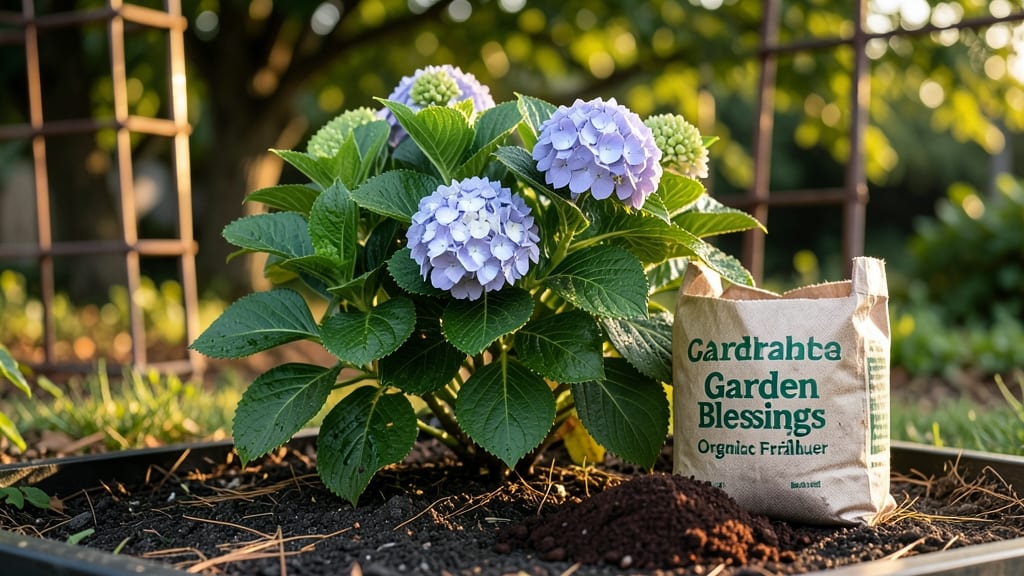
Yes, you can put coffee grounds on hydrangeas to enhance their blue bloom color and lower soil pH, but use them sparingly—too much can harm soil microbes and create mold risks. Spread a thin layer around plants in moderation.
Using coffee grounds on hydrangeas works because they're acidic, which helps turn pink blooms blue by lowering the soil's pH. 🌸 The nitrogen in grounds also supports leafy growth, but too much can overwhelm roots or create mold.
I've found that mixing grounds with compost or spreading them lightly around the base—never piling—gives the best results without risking plant stress.
For best outcomes, apply grounds in early spring when new growth starts, or after flowering when plants aren't actively blooming. A 1-2 cup application per plant, 2-3 times per year, is ideal—think of it as a gentle acid boost rather than a fertilizer.
If your soil already tests acidic, skip this method entirely to avoid over-acidifying.
💡 In This Article
- How Coffee Grounds Alter Hydrangea Bloom Color and Soil Chemistry
- Best Practices for Using Coffee Grounds on Hydrangeas
How coffee grounds alter hydrangea bloom color and soil chemistry
The magic behind coffee grounds turning hydrangea blooms blue lies in their natural acidity. Fresh coffee grounds have a pH of around 4.85-6.25, which is slightly acidic—ideal for hydrangeas that thrive in acidic soil (pH 5.0-6.0).
When applied to soil, these grounds slowly release hydrogen ions, lowering the pH and triggering the production of delphinidin, the pigment that creates blue flowers. Without this acidity, hydrangeas default to pink blooms because they produce cyanidin instead.
Nitrogen plays a dual role here—the coffee grounds provide this essential nutrient, promoting lush foliage, but too much nitrogen can actually reduce flowering. The sweet spot is a 1:10 ratio of nitrogen to phosphorus in the soil.
When you sprinkle 1-2 cups of used grounds per plant, you're adding about 0.5-1% nitrogen by weight, which is enough to support growth without overwhelming the plant. The key is balance—like adding a splash of lemon juice to tea, not dumping the whole bottle!
Here's what happens chemically: The organic acids in coffee grounds (like chlorogenic acid) break down in the soil, releasing protons that acidify the rhizosphere—the zone right around plant roots. This localized acidity is what shifts flower color, but it's temporary unless you maintain it.
Without regular applications, your soil's natural buffering capacity (from minerals like calcium carbonate) will gradually neutralize the pH over weeks. Think of it like adjusting your car's tire pressure—you need to check and adjust periodically to maintain the effect.
The texture of coffee grounds matters too. Fresh grounds are coarse and slow to decompose, while composted grounds break down faster. I've noticed that composted grounds (aged 3-6 months) work better—they're less likely to clump and create anaerobic pockets where mold thrives.
The decomposition process also converts some nitrogen into more stable forms that plants can absorb gradually. For visual comparison, imagine spreading crushed eggshells (slow-release calcium) versus powdered eggshells (fast-release)—the effect on soil chemistry is similar.
Watch out for over-acidification signs: Yellowing leaves, stunted growth, or brown patches on foliage mean you've gone too far. The ideal soil pH for blue hydrangeas is 5.2-5.5—any lower (below 5.0) can damage roots.
To test your soil's pH, use a simple $10 soil test kit from your garden center. I've seen gardeners accidentally turn their hydrangeas' leaves yellow by using too many grounds, thinking more acidity would make the flowers bluer—it's a delicate balance!
For those who want precise control, consider using elemental sulfur instead—it's a dedicated acidifier that won't add nitrogen. But coffee grounds offer the bonus of improving soil structure as they decompose, adding organic matter that enhances water retention.
The trade-off is that sulfur works faster (visible pH changes in 2-4 weeks) while grounds take 4-8 weeks to show effects. Both methods require patience and monitoring to get that perfect blue bloom.