
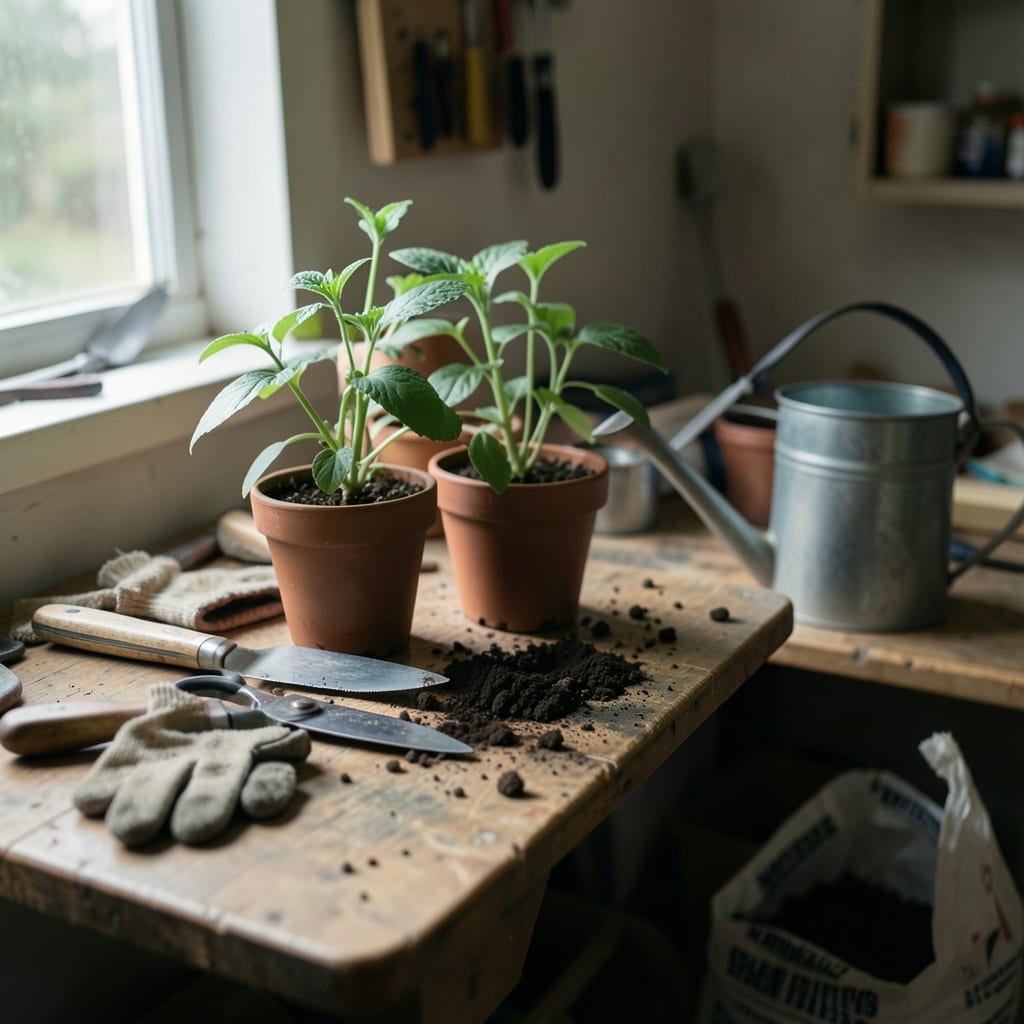
It started with one hydrangea cutting that kept dying
It was July in my grandfather’s backyard, the air thick with the scent of damp earth and cut grass. I’d just taken a 4-inch cutting from his ‘Annabelle’ hydrangea, dipped it in rooting hormone, and tucked it into a pot of perlite and peat moss.
The instructions said it would root in six weeks. It lasted three days.
The stem wilted first—not the slow, natural droop of a thirsty plant, but a sudden, limp collapse, like a flag surrendered too soon. I watered it. I moved it to shade. I even tried sticking it back in the soil of the mother plant, hoping it would revive. Nothing.
The next morning, the leaves had turned black at the edges, then entirely. By noon, the cutting was brown and brittle, as if it had never been alive at all.
I tried again the next week. Then the week after. Nine times, in fact. Each cutting followed the same script: a few days of false hope, then the same blackened leaves, the same brittle stems.
My grandfather watched in silence, his calloused hands resting on the fence. ‘You’re not waiting for the right moment,’ he said at last. ‘You’re forcing it.’
Nine tries before it worked
The first five cuttings all died within a week. I adjusted the soil mix—more perlite, less peat—but the sixth cutting still wilted by day three.
Then I changed the timing: instead of taking cuttings in July, I waited until early June, when the new growth was still tender but the heat hadn’t set in. The seventh cutting lasted ten days before its leaves curled and fell.
I’d read that hydrangeas needed humidity, so I misted the eighth cutting twice a day. It lasted a full two weeks before the roots rotted.
The breakthrough came on the ninth try. I’d finally listened to my grandfather about the timing—late May, when the soil was still cool but the days were warming. This time, I didn’t use rooting hormone.
Instead, I wrapped the base of the cutting in damp sphagnum moss and sealed it in a clear plastic bag to trap moisture. I checked it every morning, and by the third week, when I gently tugged the stem, a few fine roots resisted.
Two months later, it had outgrown its pot.
The mistake that almost undid it all? On the fifth try, I’d buried the cutting too deep, smothering the lower nodes. The stem had sprouted new growth above the soil line, but the roots below were strangling themselves.
I learned that lesson the hard way: hydrangeas are stubborn, but they’re not forgiving.
The mind behind these pages
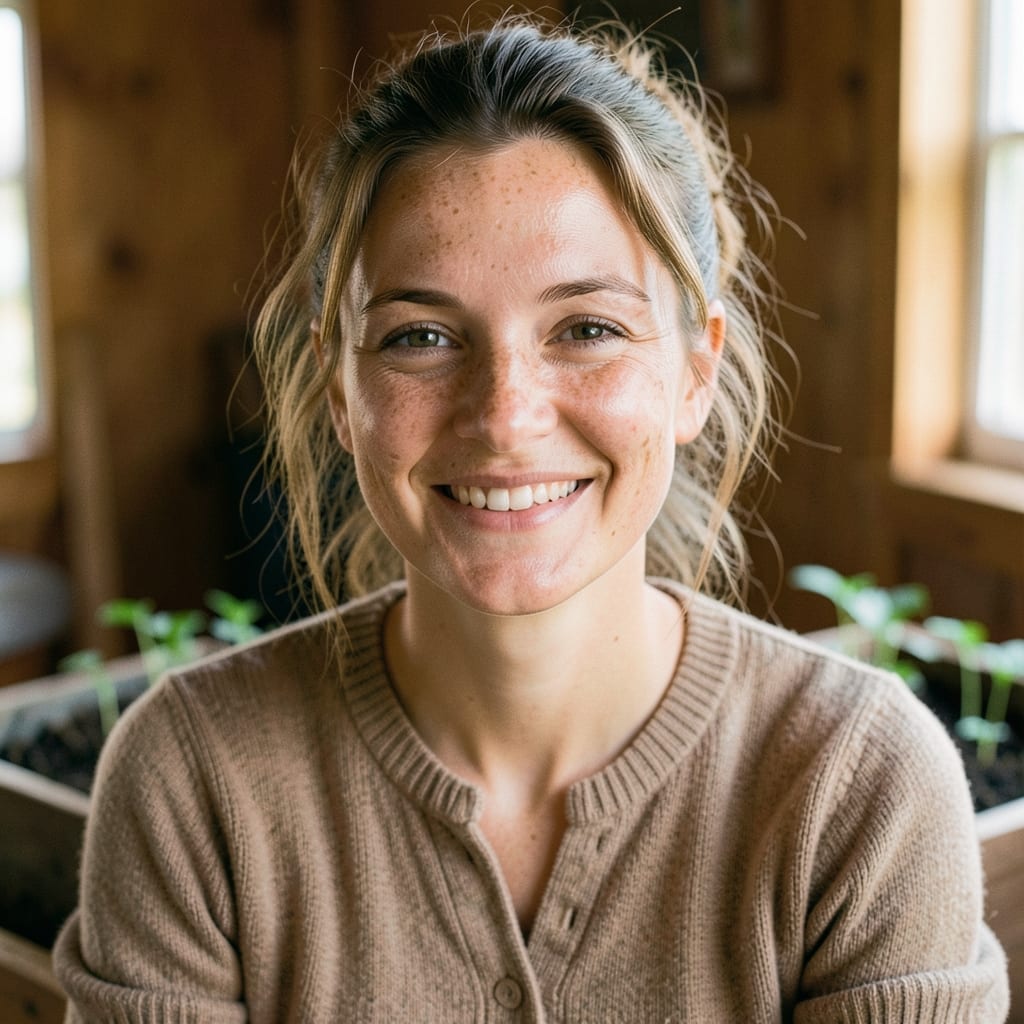
That person was me, Maribel Fitzgerald, the one who kept taking cuttings until one lived. Now I’m the founder and editor of *Hydrangea Guide*, where I write about the same kind of stubbornness that grows plants—and the small, stubborn victories that come from it.
I’m the kind of gardener who replants a seed three times before admitting it won’t grow, who saves every failed experiment in a notebook just in case it was the soil, or the sun, or the fact that I watered it with tap water instead of rainwater.
My grandfather called it ‘wasting time.’ My plants call it ‘learning.’
I don’t cook. I don’t bake. I don’t even drink tea while I garden—I prefer a glass of water and the quiet hum of bees.
The only thing I’ve ever burned in a kitchen was a single biscuit, and even that was an accident involving a distracted dog and a skillet left too long on the stove.
That first hydrangea cutting is still alive. It’s the one that taught me everything.
Everything here is written the way that plant was
Every guide, tip, and troubleshooting page on this site follows the same rule: it’s tested at least three times before it’s published. The first version is always written in the garden, with a notebook in my hand and a magnifying glass pressed to the leaves.
The second version comes after I’ve made every mistake I can think of—overwatering, underwatering, pruning at the wrong time—and the third is what survives.
You won’t find perfect numbers here. Hydrangeas don’t bloom on a schedule; they bloom when the soil is the right temperature, the light is just so, and the plant has decided it’s ready.
That’s why every ‘how-to’ includes not just what to do, but what to watch for—the wilting that isn’t thirst, the buds that won’t open, the stems that look healthy but are rotting inside.
A page here isn’t finished when it’s written. It’s finished when it’s been tested in three different gardens—mine, a friend’s in a hotter climate, and another in a cooler one. If the advice doesn’t hold in all three, it gets rewritten. That’s how you know it’s not just theory.
What that means for you
You’ll find no ‘one-size-fits-all’ advice here. Instead, you’ll get the messy, real details: why your hydrangeas might need more shade this year, how to tell if your soil is too alkaline, and what to do when your cuttings keep dying despite following every rule.
The answers aren’t always neat, but they’re always honest.
You won’t find photos of hydrangeas blooming in impossible perfection. You’ll see the browned edges, the uneven buds, the stems that didn’t make it—because those are the ones that teach you the most.
If you’ve got a hydrangea that’s defied every rule—or a cutting that just won’t root—tell me about it. The best lessons come from the ones that almost fail. Head to the contact page and share your story.
The guides are grouped by category: Advice, Fertilization, Flowers, How To, Light Requirements and Pests and Diseases.