
Neem Oil
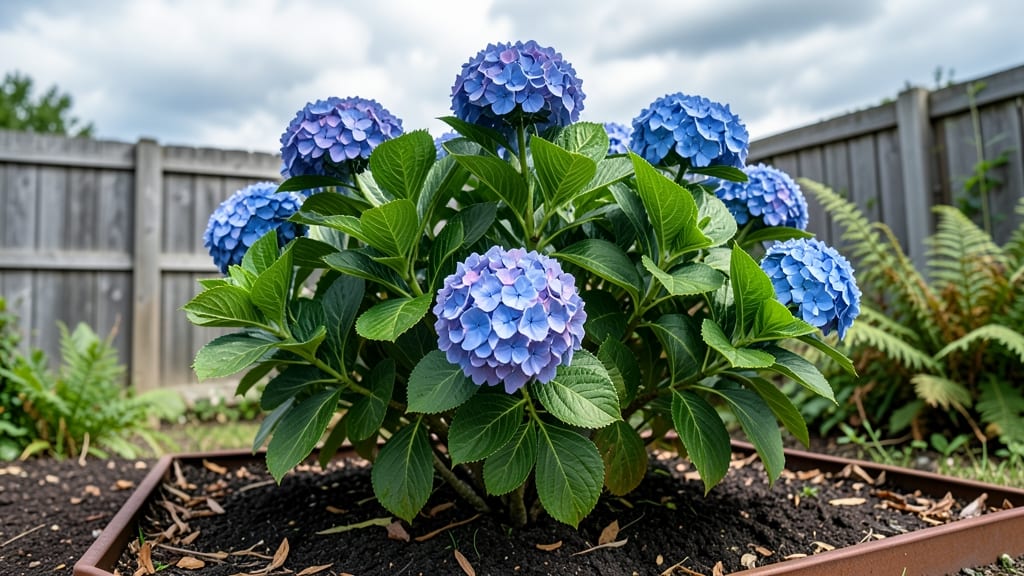
Your hydrangea buds are about to turn a stunning shade of blue—if you get the soil pH right. 💙 I’ve spent years tweaking my garden’s acidity levels, and this is the exact method that finally gave me those jewel-toned blooms I’d only seen in catalogs.
The secret isn’t just adding vinegar (though that helps)—it’s understanding how your soil reacts over time.
Start by testing your soil’s current pH with a simple kit from the garden center. Most hydrangeas need pH 5.2–5.5 for true blue flowers, but your local soil might be fighting you.
If it’s too alkaline, sulfur or peat moss works best; if it’s too acidic, crushed limestone can bring it back into balance. Think of it like fine-tuning a recipe—small adjustments make all the difference.
Once the pH is dialed in, your buds will develop richer color and stay vibrant all season. Prune in late winter to encourage fresh growth, and water consistently—hydrangeas hate drought stress, which dulls their color. By next summer, you’ll be the neighbor with the showstopping blue blooms everyone admires.
This method works for mophead, lacecap, and bigleaf varieties alike, whether you’re in a sunny border or dappled shade. The key is patience—soil changes take time, but the payoff is worth it. Ready to transform those green buds into blue magic?
📚 In This Guide
- What you need
- Instructions
- Tips and common mistakes
- Wrapping up and next steps
What you need
- ● Blue hydrangea plants (preferably Hydrangea macrophylla cultivars like 'Nikko Blue' or 'Endless Summer Blue') – 1-3 plants (depending on desired garden size).
- ● Well-draining potting mix or garden soil – 5-10 gallons (amend with organic compost for fertility).
- ● Sulfur or aluminum sulfate – 1-2 lbs per 100 sq ft (to lower soil pH for blue blooms).
- ● Garden gloves & trowel – For planting and soil adjustments.
- ● pH testing kit – Digital or liquid test strips to monitor soil pH (5.2–5.5 for blue flowers).
- ● Watering can or hose with adjustable nozzle – For consistent moisture (hydrangeas hate soggy roots!).
- ● Mulch (pine bark or wood chips) – 2-3 inches to retain moisture and acidify soil over time.
- ● Pruning shears – Sharp, clean pair for trimming deadwood (sterilize with rubbing alcohol between cuts!).
- ● Organic fertilizer (e.g., fish emulsion or compost tea) – Balanced 10-10-10 or acid-loving plant formula (apply every 4-6 weeks).
- ● Rain gauge or moisture meter – To track watering needs (hydrangeas prefer 1-1.5 inches per week).
- ○ Epsom salt (magnesium sulfate) – 1 tbsp per gallon of water (optional boost for green foliage).
- ● Shade cloth (30-50%) – If growing in hot climates (hydrangeas thrive in partial shade).
- ● Neem oil spray – 1 tsp per quart of water (preventative for pests like aphids or spider mites).
Step-by-Step instructions for cultivating blue hydrangea buds
Mastering vibrant blue blooms starts with soil science—here’s how to coax those stunning buds into full color.
🌱 Step 1: Choose the Right Hydrangea Variety for Blue Blooms
Not all hydrangeas turn blue—focus on mophead (H. macrophylla) or lacecap (H. serrata) varieties, which respond best to acidic soil. I always opt for 'Nikko Blue' or 'Endless Summer' because they’re bred to reliably produce blue flowers when soil conditions are right. Avoid oakleaf or panicle types; they’re red or pink regardless of pH.
Check your plant’s tags or nursery notes—some labeled "blue" may actually be pink-flowering with a tendency toward blue under ideal conditions. If you’re unsure, test your soil first (see Step 2). The goal is to set yourself up for success, not guesswork.
💧 Step 2: Test and Adjust Soil pH to 5.2–5.5
Use a soil pH test kit (available at garden centers) to measure your current pH. For blue blooms, aim for 5.2–5.5—anything above 6.0 will shift flowers to pink. I test in early spring before buds form, since pH adjustments take 4–6 weeks to stabilize. If your soil is too alkaline, amend with elemental sulfur (follow package rates) or peat moss mixed into the top 6 inches of soil.
Here’s the thing—hydrangeas are heavy feeders, and fertilizers can raise pH over time. I use acid-loving plant fertilizer (like Miracle-Gro Azalea, Camellia & Rhododendron) to keep pH in check while feeding. Avoid lime or wood ash—they’ll turn your buds pink overnight.
☀️ Step 3: Plant in Partial Shade with Morning Sun
Blue hydrangeas thrive in morning sun + afternoon shade, especially in hot climates. I plant mine where they get 3–4 hours of direct sun (east-facing spots work perfectly). Too much afternoon sun can stress plants and dull bloom color. If your yard is full sun, provide afternoon shade with a nearby tree or lattice.
Dig a hole twice as wide as the root ball but no deeper—hydrangeas hate soggy roots. Mix the excavated soil with compost and a handful of sulfur (if pH was high) before backfilling. Water deeply right after planting to settle the soil and eliminate air pockets.
✂️ Step 4: Prune Strategically for Maximum Buds
Prune mophead hydrangeas in late winter/early spring (before buds swell) to shape the plant and encourage new growth. Remove dead or crossing branches first, then cut back last year’s stems by ⅓ to promote bushier growth. For lacecap types, prune lightly—these bloom on old wood, so aggressive cuts reduce flowers.
I know it’s tempting to prune in fall, but that removes next year’s buds. Wait until late winter when the ground is still frozen—you’ll see where last year’s stems ended, making it easier to identify what to keep. After pruning, apply a 2-inch layer of mulch (like pine bark) to retain moisture and gradually acidify the soil.
🌿 Step 5: Feed and Water for Consistent Color
Feed every 6–8 weeks during growing season with an acid-loving fertilizer (like 10-10-10 with sulfur-coated urea). I split doses into 4 feedings to avoid overloading the plant. Water deeply 2–3 times per week—hydrangeas need 1–1.5 inches of water weekly, but let the top 2 inches of soil dry between waterings to prevent root rot.
Watch for yellowing leaves—this usually means overwatering or high pH. If leaves look crispy at the edges, you’re underwatering. Blue buds need consistent moisture but well-draining soil. If your soil drains poorly, amend with perlite or sand to improve aeration.
Tips & tricks for vibrant blue hydrangea blooms
These practical insights will help you avoid common pitfalls and maximize your chances of stunning blue blooms every season.
Variety Verification: Double-check your hydrangea's label or nursery notes—some varieties labeled "blue" actually produce pink flowers under acidic conditions. I've learned this the hard way after planting what I thought was a blue variety that turned out to be a pink-flowering 'Nikko Blue' with a tendency toward blue. For guaranteed results, stick with proven blue varieties like 'Nikko Blue' or 'Endless Summer' from reputable nurseries.
Timing for pH Adjustments: The 4-6 weeks it takes for pH adjustments to stabilize is critical. If you test your soil in late winter, you'll have plenty of time to amend before buds form in spring. I always mark my calendar 6 weeks before my target bloom date to ensure I have enough lead time. Remember, quick fixes like adding sulfur won't work if you're late to the game—patience pays off with vibrant blue blooms.
Sunlight Strategy: For maximum blue color intensity, position your hydrangeas where they receive morning sun and afternoon shade. East-facing locations are ideal. If you're working with a full-sun yard, consider installing temporary shade cloth during peak afternoon hours (around 1-4 PM) when temperatures are highest. This simple adjustment can make a noticeable difference in bloom color and plant health.
Pruning Precision: When pruning mophead hydrangeas in late winter, focus on removing dead or crossing branches first, then cut back last year's stems by one-third. This creates the perfect balance between shaping your plant and encouraging new growth. For lacecap varieties, be extra gentle—these bloom on old wood, so aggressive pruning can significantly reduce next year's flowers. I always use sharp pruners and make clean cuts just above a leaf node to minimize stress on the plant.
Pro Tips for Blue Hydrangea Buds
- These practical insights will help you avoid common pitfalls and maximize your chances of stunning blue blooms every ...
- Variety Verification: Double-check your hydrangea's label or nursery notes—some varieties labeled "blue" actually pro...
- Timing for pH Adjustments: The 4-6 weeks it takes for pH adjustments to stabilize is critical. If you test your soil ...
Frequently asked questions
about blue hydrangea buds—because even the pros have questions! Here’s what you need to know to keep those blooms popping with color.Why aren’t my hydrangea buds turning blue?
Blue hydrangea blooms depend on acidic soil (pH 5.0–5.5). If your buds stay pink or purple, test your soil pH—it might be too alkaline. Amend with sulfur, peat moss, or aluminum sulfate to lower pH gradually. Soil testing kits (like those from Lawn & Garden) make it easy!
When should I prune hydrangeas to encourage blue buds?
Prune right after blooming (late spring to early summer) to avoid cutting off next year’s buds. For mophead or lacecap varieties, remove dead or weak stems—never prune in fall or winter. Bigleaf hydrangeas (like 'Nikko Blue') bloom on old wood, so prune lightly to shape!
Can I change my hydrangea’s flower color after planting?
Yes! Adjust soil pH before buds form in spring. For blue blooms, add aluminum sulfate (follow package rates). For pink/purple, raise pH with lime. Results take 1–2 months—be patient! Pro tip: Test pH annually for consistency.
Are blue hydrangea buds prone to pests or diseases?
Watch for aphids, slugs, or powdery mildew—common issues for hydrangeas. Neem oil (mix 1 tbsp/quart water) sprays off pests safely. For mildew, improve airflow and avoid overhead watering. Preventative tip: Mulch with pine bark to deter slugs and retain moisture!
What’s a good alternative if I can’t get blue hydrangeas?
Try these blue-flowering plants for similar vibes:
- Agastache ('Blue Fortune') – Drought-tolerant, attracts pollinators
- Delphinium – Tall spikes of blue, loves full sun
- Salvia ('May Night') – Heat-resistant, fragrant blooms
- Blue lobelia – Perfect for containers or borders
Bonus: Pair with white or silver foliage (like Heuchera) to make blues pop even more!
Wrapping up and next steps
Growing blue hydrangea buds is all about patience, precision, and a little scientific know-how—especially when it comes to soil pH! 🌱 With the right tools, testing, and adjustments, you’ll unlock those stunning cobalt blooms that steal the show in any garden.
Remember, consistency is key: monitor your soil regularly, and don’t hesitate to tweak your approach based on what your plants need.
Ready to turn your green thumb into a blue blossom masterpiece? Start by testing your soil this weekend—your future hydrangeas will thank you! 💙 And if you’re feeling ambitious, why not experiment with neem oil treatments to keep pests at bay while you nurture those buds? Happy gardening!