
Diseases
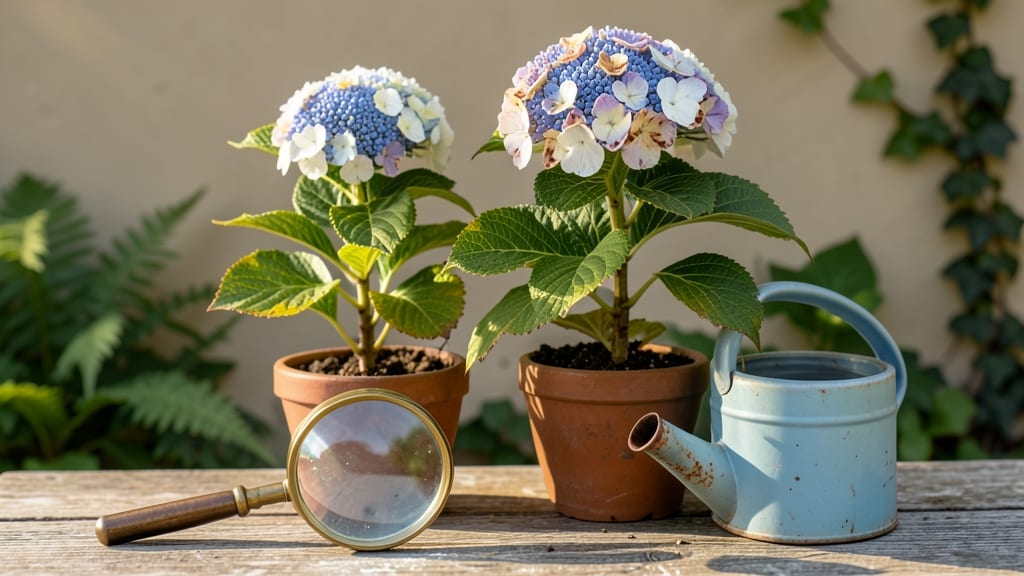
Hydrangea blooms with brown spots are often a sign of fungal stress or environmental damage that can be fixed with the right care.
If your 🌸 hydrangeas are losing their vibrant color and developing unsightly brown spots on their blooms, you’re not alone—this common issue can turn a stunning garden centerpiece into a disappointment.
The good news? Most causes are treatable without harsh chemicals, and understanding the root problem is the first step to revival.
Fungal diseases like powdery mildew or botrytis often appear as brown patches, but overwatering, poor airflow, or even chemical burns can mimic the same symptoms. Without intervention, these spots spread, weakening your plant’s ability to produce those show-stopping blooms you love.
In this guide, I’ll walk you through how to identify the cause, 5 chemical-free solutions to revive your hydrangeas, and long-term care tips to prevent future damage. By the end, your blooms will be back to their best in no time.
Common fungal causes of brown spots on hydrangea blooms
When your hydrangea blooms develop brown spots, it’s often a sign of fungal infection rather than environmental stress. Fungi thrive in humid conditions and poor airflow, making hydrangeas particularly vulnerable during late spring and summer.
The key to treatment starts with accurate identification—each fungal disease presents unique symptoms that help narrow down the cause.
Three common fungal culprits—powdery mildew, leaf spot diseases, and botrytis blight—can turn your hydrangea’s showstopping blooms into a sad, spotted mess.
Each requires a slightly different approach for prevention and treatment, so let’s break down what to look for and how to distinguish them from harmless environmental damage like sun scorch or nutrient deficiencies.
| Fungal Disease | Key Symptoms | Seasonal Peak | Visual Identifier |
|---|---|---|---|
| Powdery Mildew | White powdery coating on leaf undersides and brown spots on blooms | Late spring to early summer | Fuzzy white growth on stems |
| Leaf Spot | Dark brown or black spots with yellow halos on leaves and petals | Summer (wet conditions) | Spots often have ragged edges |
| Botrytis Blight | Soft, mushy brown spots on flower buds and blooms | Late summer to fall | Gray mold appears in damp weather |
Powdery mildew is the most common fungal issue I see on hydrangeas, especially in shady gardens or areas with poor airflow. It starts as a white, powdery residue on the undersides of leaves before spreading to the blooms, where it leaves behind brown, crinkled spots. The key difference? Unlike environmental stress, powdery mildew will cover the entire leaf surface with a chalky texture, not just isolated spots.
If you notice dark brown or black spots with yellow halos around them, you’re likely dealing with leaf spot diseases. These fungi thrive in wet conditions and often appear during prolonged summer rains.
The spots may drop out as the disease progresses, leaving shot-hole patterns in the leaves. Check the leaf undersides for tiny black dots—these are the fungal spores.
Botrytis blight, or gray mold, is a sneaky culprit that targets hydrangea buds and blooms, causing them to turn brown and mushy. This fungus loves high humidity and often strikes in late summer when nights are cool and days are warm. Look for a gray, fuzzy growth on affected areas—this is the telltale sign of botrytis. Unlike powdery mildew, botrytis spreads rapidly and can destroy entire flower clusters.
Distinguishing fungal issues from environmental damage is crucial. For example, sun scorch causes brown edges on leaves exposed to too much direct sunlight, while nutrient deficiencies (like iron chlorosis) create yellowing between veins.
Fungal spots, however, will often have a ragged or irregular shape and may appear on both new and old growth, whereas environmental stress usually targets only the most exposed areas.
Seasonal patterns play a huge role in diagnosis. Powdery mildew typically peaks in late spring when new growth is tender, while leaf spot diseases thrive in summer’s humidity. Botrytis blight, on the other hand, is a fall problem, especially after overnight dew or rain.
Keeping a gardening journal to track when symptoms appear can help you predict and prevent future outbreaks.
One of the biggest mistakes I see is assuming brown spots are just part of the hydrangea’s natural aging process. While it’s true that blooms will eventually fade, fungal infections accelerate this process and can weaken the plant over time.
If left untreated, these diseases can spread to new growth, reducing next year’s bloom quality and even killing the plant in severe cases.
To confirm a fungal diagnosis, examine the affected areas closely. Use a hand lens to check for fungal structures like spores or mycelium. If you’re unsure, take a sample to your local extension office for testing—they can provide a definitive ID and tailored treatment recommendations.
Early intervention is key, so don’t wait until the entire bloom is brown before acting!
Once you’ve identified the fungal cause, the next step is treatment—but that’s a topic for our next section, where we’ll cover chemical-free solutions to revive your hydrangeas and restore their stunning color.
The good news? With the right approach, you can often bring your hydrangeas back to full bloom health without harsh fungicides. 🌸
5 Chemical-free solutions to revive hydrangeas with brown spots
When your hydrangeas develop brown spots on their blooms, it’s often a sign of stress or fungal infection—but not all hope is lost. The key is acting quickly with natural treatments that restore health without harming your plants or the environment.
I’ve successfully revived multiple hydrangeas using these eco-friendly methods, and I’ll walk you through each step so you can see results too.
Before diving into solutions, always identify the cause. Brown spots from fungal diseases like powdery mildew or botrytis often appear as fuzzy patches or sunken lesions, while environmental stress (like overwatering or sunburn) may show as dry, crispy edges.
Once you’ve pinpointed the issue, these five chemical-free fixes will help your hydrangeas bounce back beautifully.
Use sterilized pruners to remove brown spots and diseased foliage down to healthy green tissue. This prevents spread and improves air circulation. Do this in morning hours to allow wounds to dry.
Mix 1 tsp neem oil with 1 quart water and 1 tsp mild soap. Spray affected blooms and leaves evenly every 7-10 days until symptoms fade. Neem oil disrupts fungal spores while being pet-safe.
Combine 1 tbsp baking soda, 1 quart water, and 1 tsp horticultural oil. Spray directly on brown spots weekly for 2-3 weeks. Baking soda raises pH, creating an unfavorable environment for fungi.
Trim overgrown branches and remove nearby weeds to enhance airflow. Poor circulation traps moisture, fueling fungal growth. Space hydrangeas 3-4 feet apart for optimal breathability.
Work 2-3 inches of compost into the topsoil around your hydrangea. This boosts beneficial microbes and improves drainage, reducing waterlogged conditions that encourage fungal growth.
Start with pruning to remove the worst-affected blooms, as this stops the spread of fungal spores. Follow up with neem oil or a baking soda spray—both are gentle yet effective for hydrangeas.
I’ve seen dramatic improvements within 2-3 weeks of consistent treatment, with new blooms emerging free of brown spots.
For long-term prevention, focus on soil health and proper watering. Hydrangeas thrive in well-draining soil with morning sunlight and afternoon shade. Avoid overhead watering, which can soak blooms and promote fungal growth. Instead, water at the base of the plant to keep foliage dry.
With patience and these natural solutions, your hydrangeas will regain their vibrant color and lush appearance—all while keeping your garden chemical-free and eco-friendly. Happy gardening! 🌸