
How To
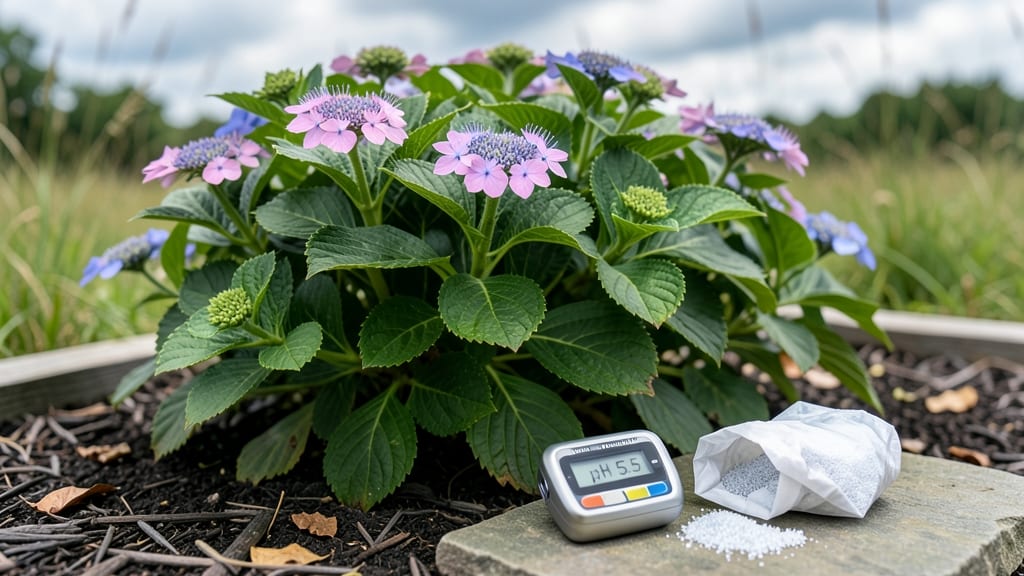
Changing hydrangea to blue requires adjusting soil pH to 5.2–5.5 by adding aluminum sulfate or sulfur, then watering thoroughly. Avoid lime or wood ash, which increase pH and produce pink blooms. Track soil changes over weeks for gradual color transformation.
Hydrangeas shift color based on soil acidity, where lower pH (5.2–5.5) unlocks blue blooms through aluminum ion activation. 💫 The magic happens when these ions bind to anthocyanins—natural pigments in the flowers—creating vibrant blue hues.
Unlike pink varieties, which thrive in alkaline soil, blue hydrangeas need consistent acidity, so testing your soil before treatment is key. Organic options like pine needles or coffee grounds work slowly, while aluminum sulfate delivers faster results.
For best results, apply amendments in early spring before new growth begins. Spread aluminum sulfate at 2–4 pounds per 100 square feet or sulfur at 1–2 pounds per 100 square feet, then water deeply.
Re-test soil pH after 4–6 weeks, as color changes can take 2–3 months to fully develop. Overdoing it? Too much aluminum can damage roots, so start with half the recommended dose and adjust as needed.
💡 In This Article
- How Soil pH Affects Hydrangea Flower Color
- Best Organic and Chemical Methods to Acidify Soil
How soil pH affects hydrangea flower color
The vibrant blue hues in hydrangeas come from a fascinating chemical reaction between aluminum ions and anthocyanins—natural pigments in the petals. When soil pH drops to 5.2–5.5, aluminum becomes more soluble and available for uptake by the plant roots.
These ions then bind to anthocyanin molecules, shifting their color from red to blue through a process called copigmentation. Think of it like a pH-dependent light switch for flower color! 💫
At higher pH levels (above 6.0), aluminum ions form insoluble compounds, leaving anthocyanins free to produce pink or purple blooms. This is why the same hydrangea variety can bloom blue in one garden and pink in another—it’s all about soil chemistry.
For example, Endless Summer hydrangeas naturally produce blue flowers when soil pH is 5.2–5.5, while Annabelle varieties stay white regardless of pH. The key difference lies in their genetic ability to produce anthocyanins that respond to aluminum.
Organic amendments like pine needles or coffee grounds lower pH gradually by releasing acidic compounds over time, while inorganic options such as aluminum sulfate or sulfur provide faster but more precise results. Pine needles, for instance, release tannic acid that slowly acidifies soil, making them ideal for long-term maintenance.
In contrast, aluminum sulfate dissolves quickly, delivering immediate aluminum ions but requiring careful dosage to avoid root damage. 🔥
Testing soil pH before treatment is non-negotiable. A simple home pH test kit (costing around $10) can reveal your current levels. If your soil measures 6.0 or higher, you’ll need to reduce pH by 0.5–1.5 points to achieve blue blooms.
For example, if your soil is at 6.5, aim to lower it to 5.5—this shift unlocks the full blue potential in most hydrangea varieties.
What most gardeners overlook is the role of micronutrient availability. Acidic soil not only influences color but also enhances uptake of essential nutrients like iron and manganese, which are crucial for plant health.
Without proper nutrition, even blue hydrangeas may struggle to thrive, so always pair pH adjustments with a balanced fertilizer. This dual approach ensures vibrant blooms and robust growth. ✨
Timing matters too. Apply amendments in early spring (March–April) when roots are actively growing, or in late fall (October–November) to allow gradual pH changes before the next growing season. Avoid treating in summer, as heat can accelerate chemical reactions and potentially harm roots.
Patience is key—color changes may take 2–3 months to fully manifest, so monitor your plants closely.
Pro tip: Keep a garden journal to track soil pH and flower color changes over time. Note which amendments worked best for your specific soil type and hydrangea variety. For example, sandy soils may require more frequent pH adjustments than clay soils, as they drain faster and lose acidity quicker.
This record-keeping helps you fine-tune your approach for consistent blue blooms year after year. 💫