
How To
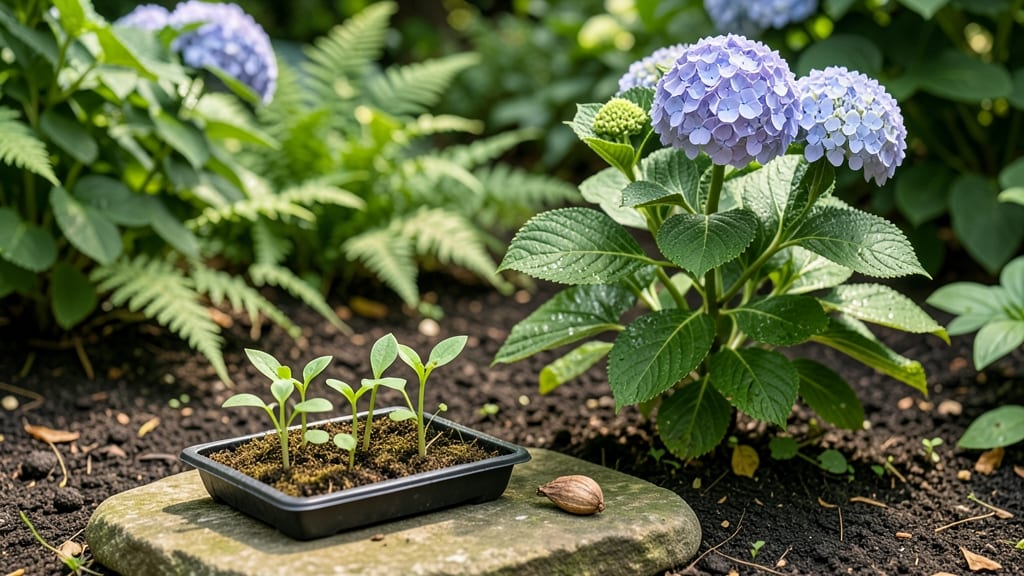
Hydrangeas reproduce naturally through seed development from dried flower heads and vegetative methods like root division or stem cuttings, each with distinct benefits for gardeners.
Hydrangeas offer two distinct paths to multiply your garden's beauty. 🌸 The seed method relies on dried flower heads, where tiny seeds develop over time—though patience is key, as germination can take months and may not preserve parent plant traits.
For faster, more reliable results, vegetative reproduction through root division or stem cuttings lets you clone your favorite varieties while maintaining their exact characteristics and bloom colors.
I've found that beginners often gravitate toward root division because it's straightforward—simply separate the roots in early spring when new shoots appear. Stem cuttings, however, give you more control over placement and timing, especially when you want to propagate specific branches with exceptional blooms.
Both methods require minimal tools but deliver maximum impact for your garden layout.
💡 In This Article
- Seed Propagation in Hydrangeas: Process and Challenges
- Vegetative Reproduction Techniques for Faster Growth
Seed propagation in hydrangeas: process and challenges
Hydrangea seeds develop inside those papery, dried flower heads you see in late fall or winter. Each head contains hundreds of tiny seeds encased in a protective capsule that opens when conditions are right. The seeds themselves are incredibly small—about 1-2 millimeters in length—and require specific triggers to break dormancy.
In nature, frost and freeze-thaw cycles help soften the seed coat, while warm spring rains provide the moisture needed to kickstart germination.
The magic happens when you mimic these natural conditions. Start by collecting dried flower heads in late winter, then gently separate the seeds from the papery material.
For best results, plant them in a moist, well-draining seed-starting mix at a depth of just 1/8 inch—any deeper and they won't surface. Place the tray in a warm spot (around 70-75°F) with bright, indirect light.
Germination can take anywhere from 4-12 weeks, with some varieties showing stubborn resistance to sprouting. 🌱
Here's where things get tricky: most hydrangea seeds won't produce plants identical to the parent. Many popular varieties are hybrids that don't breed true from seed, meaning your new seedlings might develop different flower colors or sizes.
Even when germination succeeds, the young plants grow slowly—often taking 2-3 years to reach maturity and bloom. This makes seed propagation more of a gamble for gardeners seeking specific traits, though it's perfect for those experimenting with new varieties or enjoying the surprise factor.
Light conditions play a crucial role too. While seeds need warmth to germinate, they require full sunlight (6+ hours daily) once they sprout to develop strong stems. Too little light leads to leggy, weak seedlings that struggle to establish roots.
I've learned this lesson the hard way—my first attempt with hydrangea seeds grew into tall, spindly plants that flopped over before developing proper structure. The solution? Move them to a sunny windowsill or under grow lights immediately after germination.
Moisture management is another common pitfall. Hydrangea seeds need consistent dampness but will rot if overwatered. Use a spray bottle to keep the soil evenly moist rather than soaking it.
A clear plastic dome or plastic wrap over the tray creates a mini greenhouse effect, but remember to remove it daily for 10-15 minutes to prevent fungal growth. The right balance of humidity and airflow is what transforms those tiny seeds into sturdy young plants ready for transplanting.
For those willing to embrace the challenge, seed propagation offers a fascinating glimpse into hydrangea genetics. While it may not deliver instant results, the process rewards patient gardeners with hardy plants that might surprise you with unexpected characteristics.
Just remember: if you're after specific cultivars, vegetative reproduction methods will give you far more reliable results. 🌿