
Watering
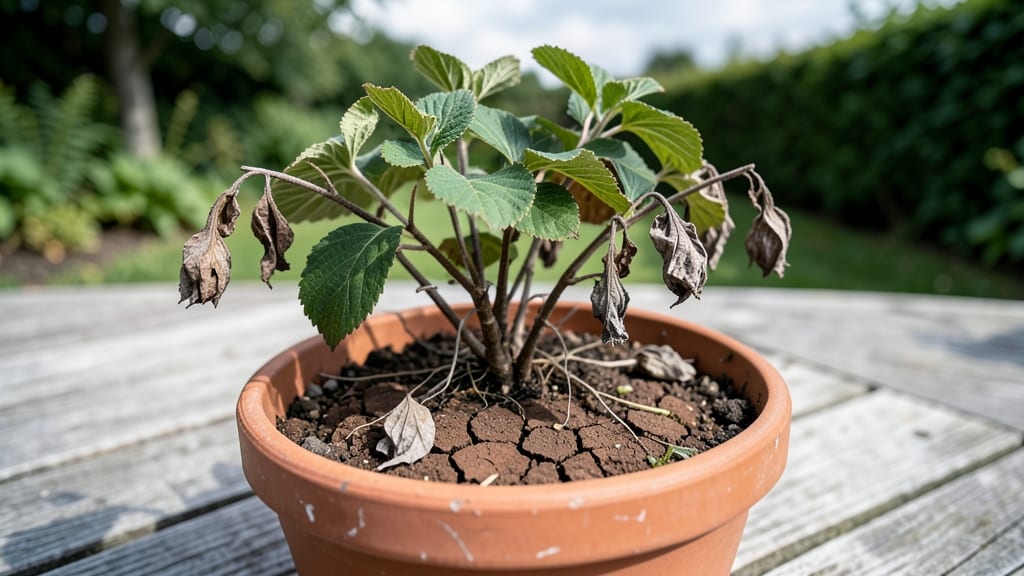
When your hydrangeas dried out, don’t panic—these three simple tricks can bring them back to life in days. 💚 I’ve nursed back more than my share of crispy hydrangeas, and the secret lies in understanding what’s really causing the stress, not just throwing water at the problem.
The most common culprits are uneven watering (too much or too little), root-bound pots, or intense afternoon sun drying leaves faster than roots can keep up. Check for brittle stems, curled leaves, or buds that refuse to open—these are your red flags.
The good news? Hydrangeas are tougher than they look, and with the right care, they bounce back faster than you’d expect.
Start by giving them a deep drink—soak the soil until water runs out the drainage holes, then let it dry slightly before watering again. If roots are circling in their pot, trim the worst offenders and refresh the soil with a mix of compost and perlite.
Move them to morning sun or dappled shade if they’re currently baking in the afternoon heat.
Within a week, you’ll see new growth pushing through, and those dried-out stems will start to plump up again. The key is consistency—hydrangeas hate extremes, whether it’s soggy soil or bone-dry roots.
Once they’re revived, keep an eye on their water needs and adjust based on your local climate. Trust me, your hydrangeas will thank you with blooms that last all summer.
Root Causes Of Wilting Hydrangeas
Understanding why your hydrangeas are drying out starts with uncovering the hidden factors at play. These stunning shrubs are surprisingly sensitive to their environment, and even minor shifts in care can trigger distress. Let’s break down the science behind the most common culprits—so you can address them like a pro.
---
Hydrangeas (Hydrangea macrophylla and Hydrangea paniculata) are thirsty plants—their large leaves and lush blooms demand consistent moisture. When soil dries out, the roots struggle to absorb water, leading to wilting, crispy edges, and eventually, dead foliage.
- Why it happens: - Shallow root systems mean hydrangeas rely on frequent, deep watering. A quick sprinkle won’t reach their roots (usually 6–12 inches deep). - Clay or sandy soil drains too fast, leaving roots parched.
Even well-draining mixes can dry out in hot weather. - Underwatering during heatwaves accelerates moisture loss. Temperatures above 85°F (29°C) can double a plant’s water needs.
- Actionable fix: - Water deeply 2–3 times per week (1–1.5 inches per session) during active growth (spring–fall). - Mulch heavily (3–4 inches of organic mulch) to retain soil moisture and regulate temperature. - Check soil moisture by sticking your finger 2 inches deep—if it’s dry, water immediately.
---
While hydrangeas love partial shade, intense afternoon sun (especially in zones 7–9) can scorch leaves, causing them to dry out and turn brown. Heat stress forces the plant to transpire rapidly, pulling moisture from leaves faster than roots can replenish it.
- Why it happens: - Direct sunlight increases leaf temperature, causing oxidative damage (like sunburn on human skin). - Low humidity (common in summer) makes it harder for roots to keep up with water loss. - Poor airflow traps heat, creating a "greenhouse effect" that accelerates wilting.
- Actionable fix: - Move potted hydrangeas to dappled shade (east or north-facing) during peak sun (11 AM–3 PM). - Provide afternoon shade for in-ground plants with a lightweight shade cloth (30–50%). - Mist leaves in extreme heat (early morning or late evening) to boost humidity temporarily.
---
Pruning too aggressively or moving hydrangeas without proper care can disrupt their root-to-foliage ratio, causing leaves to dry out as the plant diverts energy to recovery.
- Why it happens: - Overpruning (cutting back more than 1/3 of the plant at once) removes too many leaves, reducing the plant’s ability to photosynthesize. - Transplant shock occurs when roots are damaged during repotting or moving, slowing water uptake. - Root-bound pots restrict growth, leading to circulatory stress—roots can’t supply enough water to the canopy.
- Actionable fix: - Prune hydrangeas at the right time: - Bigleaf hydrangeas: Prune right after flowering (late summer/early fall). - Panicle or oakleaf hydrangeas: Prune in late winter/early spring before new growth. - Repot carefully: Use a 1–2 inch larger container with drainage holes and moist, well-draining soil. - Avoid fertilizing for 4–6 weeks post-transplant to reduce stress.
--- Sometimes, hidden pathogens like powdery mildew, leaf spot, or bacterial wilt cause leaves to dry out prematurely. These infections clog stomata (leaf pores), preventing water absorption and leading to crispy, browned edges.
- Why it happens: - Powdery mildew (white, flour-like coating) thrives in high humidity + poor airflow, suffocating leaves. - Bacterial leaf spot (dark spots with yellow halos) spreads in wet, warm conditions, killing tissue. - Root rot (from overwatering) can strangle roots, cutting off water supply to the plant.
- Actionable fix: - Inspect leaves regularly for unusual spots, discoloration, or mold. - Improve airflow by spacing plants 3–4 feet apart and pruning dense growth. - Treat infections early: - Fungicide spray (neem oil or copper-based) for powdery mildew. - Remove infected leaves and disinfect pruners with rubbing alcohol (70%+). - Adjust watering—root rot?
Let soil dry slightly between waterings.
--- Hydrangeas are sensitive to sudden changes, whether it’s a freezing snap, scorching wind, or salt damage from de-icing products.
- Why it happens: - Windburn dries out leaves by increasing transpiration rates. - Winter desiccation (common in zones 5–7) occurs when frost-freezes cause ice crystals to form in leaves, leading to dehydration. - Salt buildup (from road salt or fertilizers) disrupts osmosis, making roots unable to absorb water.
- Actionable fix: - Protect from wind with a windbreak (bamboo fence, lattice) or move potted plants to a sheltered spot. - Winterize hydrangeas in cold climates: - Mulch heavily (6+ inches of straw or leaves). - Wrap containers in burlap + bubble wrap for insulation. - Flush soil with water after winter to remove salt buildup.
Avoid salt-based fertilizers near hydrangeas.
--- Before diagnosing, check these 3 signs: 1. Soil moisture: Stick your finger 2 inches deep—dry? Water immediately. 2. Leaf texture: Wilting but still green? Underwatering.
Brown, papery leaves? Overwatering or sunburn. 3. Root condition: Gently dig up a small section—healthy roots are white/firm; mushy = rot; dry/brittle = underwatering.
--- Next up: How to revive a dried-out hydrangea in 3 simple steps—without losing your favorite blooms! 🌸
Revive Your Wilted Hydrangeas Fast
---
If your hydrangeas have lost their lush, vibrant look and feel dried out, don’t panic—there’s still hope! With the right care, you can nurse them back to health and restore their beauty.
Below, we’ve mapped out the most common causes of wilting and the easy fixes to bring them back to life. Plus, we’ll share some prevention tips to keep your hydrangeas thriving long-term.
---
Hydrangeas love moisture, and if the soil has dried out, their leaves will crisp and droop. Here’s how to revive them:
#### 🔥 Step 1: Deep Watering - Water the base of the plant until the soil is thoroughly soaked—about 1 to 2 inches deep. - Use a watering can with a long spout or a hose with a gentle spray to avoid disturbing the roots.
#### 🍳 Step 2: Check Soil Moisture - Stick your finger 2 inches into the soil. If it feels dry, water again. - If the soil is rock-hard, soak the plant for 10–15 minutes to fully rehydrate the roots.
#### 👨🍳 Step 3: Mulch to Retain Moisture - Apply a 2- to 3-inch layer of mulch (like shredded bark or straw) around the base to lock in moisture. - Keep mulch away from the stem to prevent rot.
#### ✨ Prevention Tip: - Water early in the morning to reduce evaporation. - Group hydrangeas with other thirsty plants to create a microclimate that retains moisture.
---
Too much water or soggy soil can suffocate roots, leading to yellowing leaves and wilting. Here’s how to correct it:
#### 🔥 Step 1: Let the Soil Dry Slightly - If the soil feels muddy or waterlogged, hold off on watering for a day or two. - Stick a wooden skewer into the soil—if it comes out clean, the roots need air.
#### 🍳 Step 2: Improve Drainage - Amend the soil with perlite, sand, or compost to help it drain better. - If planting in containers, ensure pots have drainage holes and use a well-draining potting mix.
#### 👨🍳 Step 3: Prune Damaged Foliage - Snip off brown, mushy, or yellow leaves to redirect energy to healthy growth. - Avoid pruning green stems—they may still recover.
#### ✨ Prevention Tip: - Use a moisture meter to monitor soil dampness. - Plant hydrangeas in slightly raised beds if your yard has heavy clay soil.
---
Intense sun or heat waves can scorch hydrangeas, causing leaves to curl and crisp. Here’s how to help them recover:
#### 🔥 Step 1: Provide Shade - Move potted hydrangeas to a shadier spot for a few days. - If in the ground, use a lightweight shade cloth (30–50% coverage) during peak sun hours.
#### 🍳 Step 2: Hydrate & Mist - Water deeply in the morning and evening to cool the plant. - Lightly mist leaves with water to raise humidity around them.
#### 👨🍳 Step 3: Fertilize Gently - Apply a balanced, water-soluble fertilizer (like 10-10-10) to boost recovery. - Avoid high-nitrogen fertilizers—they can stress the plant further.
#### ✨ Prevention Tip: - Plant hydrangeas in partial shade (4–6 hours of morning sun). - Use reflective mulch (like white gravel) to deflect excess heat.
---
No matter the issue, these extra steps will help your hydrangeas bounce back faster:
- 💡 Trim Dead Blooms: Remove faded flowers to encourage new growth. - 🌡️ Monitor Temperature: Avoid placing hydrangeas near heat sources (like vents or grills). - 🎯 Test Soil pH: Hydrangeas thrive in acidic soil (pH 5.2–6.0). Use vinegar or sulfur to adjust if needed.
---
With these fixes, your hydrangeas should perk up within a few days to a week. Keep an eye on them, adjust care as needed, and soon you’ll have plump, vibrant blooms again! 🌸
Frequently asked questions
How quickly can I revive a hydrangea that's completely dried out?
With immediate action, you can see improvement in 3–7 days. Start by giving it a deep watering session (until water runs out the drainage holes) and move it to a shadier spot. Within 24 hours, leaves should start plumping up, and new growth may appear in 5–7 days if roots are still healthy. Severe cases might take 2–3 weeks to fully recover.
Can I save a hydrangea with crispy, brown leaves?
Yes, but only if the stems are still slightly green beneath the brown. Snip off the completely brown, papery leaves and focus on reviving the green stems. If the entire plant is brown and brittle, it’s likely dead—check roots for signs of life (white firm roots = hope; mushy = rot; dry = underwatering).
Why do my potted hydrangeas dry out faster than in-ground ones?
Containers dry out 3–5 times faster than garden beds because they have less soil mass to retain moisture. Pots also heat up quicker in sun, accelerating evaporation. Use self-watering pots, mulch the soil surface, and choose terracotta (which breathes better than plastic). Water when the top 1 inch of soil feels dry.
Is it better to underwater or overwater a dried-out hydrangea?
Both extremes stress hydrangeas, but underwatering is more common and easier to fix. Overwatering causes root rot, which can kill the plant faster. The key is consistent moisture—water when the top 2 inches of soil are dry, then soak thoroughly. If you’ve been overwatering, let the soil dry slightly between waterings to prevent rot.
Will pruning help a dried-out hydrangea recover?
Pruning alone won’t save a severely dehydrated plant, but it helps redirect energy to recovery. Cut back dead, brown stems to green growth, and remove any diseased or yellowing leaves. Avoid heavy pruning—stick to 1/3 of the plant max to reduce stress. Focus first on watering and shade adjustments before pruning.