
Blooming
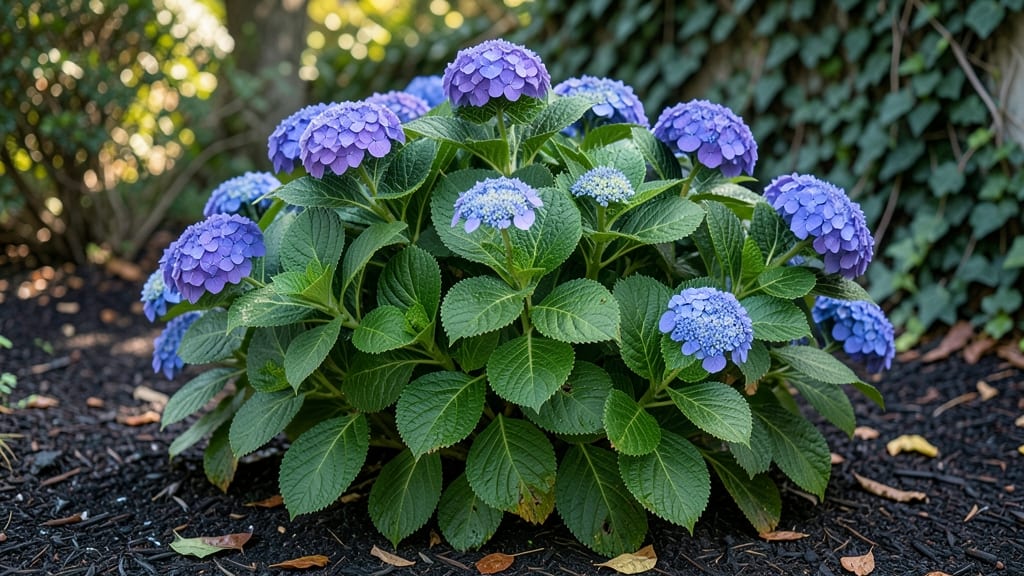
Hydrangeas flower in late spring to summer, with timing that shifts dramatically depending on the variety and your climate zone.
If you’ve ever wondered why your hydrangeas bloom at different times—or why some varieties seem to vanish for months before bursting into color—you’re not alone.
Timing is everything when it comes to hydrangea flower time, and knowing the exact months for peak blooms can mean the difference between a stunning garden and a missed season.
Mophead and lacecap hydrangeas, for example, typically bloom from June to August, while panicle varieties often shine from July to September. But here’s the twist: cooler climates like USDA Zone 6a can push blooms earlier, while warmer regions might delay them until late summer.
Even soil pH and sunlight play a role—too much shade or the wrong acidity, and you could end up with sparse or delayed flowers.
In this guide, I’ll break down the exact bloom windows for popular varieties, share simple care tricks to extend your hydrangea’s flower time, and troubleshoot why yours might be blooming off-schedule. By the end, you’ll know exactly when to expect those showstopping 🌸 clusters—and how to make them last longer.
Hydrangea flower time: exact blooming months by variety type
Hydrangeas are garden superstars, but their flower time varies wildly depending on the variety. Some burst into bloom in early summer, while others wait until fall. Understanding these differences helps you plan your garden for year-round color.
The key lies in knowing which type of hydrangea you're growing and how your USDA zone affects timing.
For example, mophead hydrangeas (like 'Endless Summer') typically bloom from mid-to-late summer, while panicle varieties (such as 'Limelight') often shine from late summer to early fall. Even within the same type, regional differences can shift bloom windows by weeks.
Let’s break down the exact months for each major variety and how to adjust care for your climate.
🌿 Pro Tip: If you’re in USDA zones 5-6, expect blooms to arrive 2-4 weeks later than in zones 7-9 due to cooler springs. In warmer zones, some varieties may even rebloom in fall!
Now that you know the exact bloom windows, let’s dive into how to maximize your hydrangea’s flower time. For mophead and lacecap varieties, which bloom on old wood, avoid pruning until after they finish flowering.
Cutting back too early removes next year’s buds! In contrast, panicle and smooth hydrangeas bloom on new wood, so you can prune them in late winter or early spring to encourage fresh growth and extended blooms.
Soil pH also plays a surprising role in flower time. Blue hydrangeas (like 'Nikko Blue') thrive in acidic soil (pH 5.0-5.5), while pink varieties (such as 'Pinky Winky') prefer neutral to slightly alkaline soil (pH 6.0-7.0).
Testing your soil in early spring lets you adjust with lime (to raise pH) or sulfur (to lower pH) before buds form, ensuring vibrant blooms on schedule.
If you’re in USDA zone 5 and notice your hydrangeas blooming later than expected, consider adding a lightweight row cover in early spring to warm the soil and jumpstart growth.
In zone 9, where winters are mild, some varieties may even bloom in late winter if temperatures stay above freezing. Monitor your plants closely and adjust care accordingly.
For reblooming varieties like 'Endless Summer', dead
How to extend your hydrangea flower time with pruning and care
Hydrangeas are famous for their long-lasting blooms, but with the right pruning techniques and seasonal care, you can push those flowers to last even longer. The key lies in understanding your hydrangea’s wood type—whether it blooms on old wood (last year’s growth) or new wood (current season’s growth).
This distinction changes everything when it comes to timing and maintenance.
For old wood bloomers like mophead and lacecap varieties, late winter pruning is a no-no. These beauties set buds in late summer, so pruning too early removes next year’s flowers. Meanwhile, new wood bloomers like panicle and smooth hydrangeas thrive with early spring pruning to encourage fresh growth.
Knowing which type you have is the first step to extending your hydrangea flower time by weeks—or even months.
🌿 5 Pro Tips to Extend Hydrangea Blooms
- 1. Deadhead strategically: Remove spent blooms in late summer to redirect energy to new growth (works for new wood types).
- 2. Prune at the right time: Old wood types get pruned after blooming; new wood types get pruned in early spring.
- 3. Feed for longevity: Use balanced fertilizer (10-10-10) in early spring to boost flower production.
- 4. Mulch for moisture: Apply 2-3 inches of mulch in spring to retain soil moisture and reduce stress.
- 5. Adjust sunlight: Too much direct sun can scorch blooms; aim for morning sun + afternoon shade.
Deadheading is one of the simplest ways to extend your hydrangea’s flower time. For new wood bloomers, snip off faded flowers in late summer to encourage fresh buds. For old wood types, leave the blooms until winter—they provide winter interest and protect next year’s buds.
Just be sure to use clean, sharp pruners to avoid damaging stems or spreading disease.
Seasonal care adjustments can also shift bloom timing. If you want earlier flowers, prune in late winter (for new wood types) and apply a light fertilizer in early spring.
For later blooms, delay pruning until just after flowering and reduce watering slightly in summer to slow growth. These tweaks can push blooms by 2-4 weeks in either direction.
Don’t overlook the power of soil pH either. Hydrangeas are famously pH-sensitive: acidic soil (pH 5.0-5.5) produces blue flowers, while alkaline soil (pH 6.0+) yields pink blooms.
Test your soil in early spring and amend with sulfur or lime as needed. Happy hydrangeas with the right pH will bloom longer and more vibrantly.
With these pruning and care strategies, your hydrangeas can stay in peak bloom from early summer to first frost. The secret? Pay attention to your variety, prune with purpose, and give them the right conditions.
Your garden will thank you with months of color instead of just a few weeks! 🌸