
Landscaping
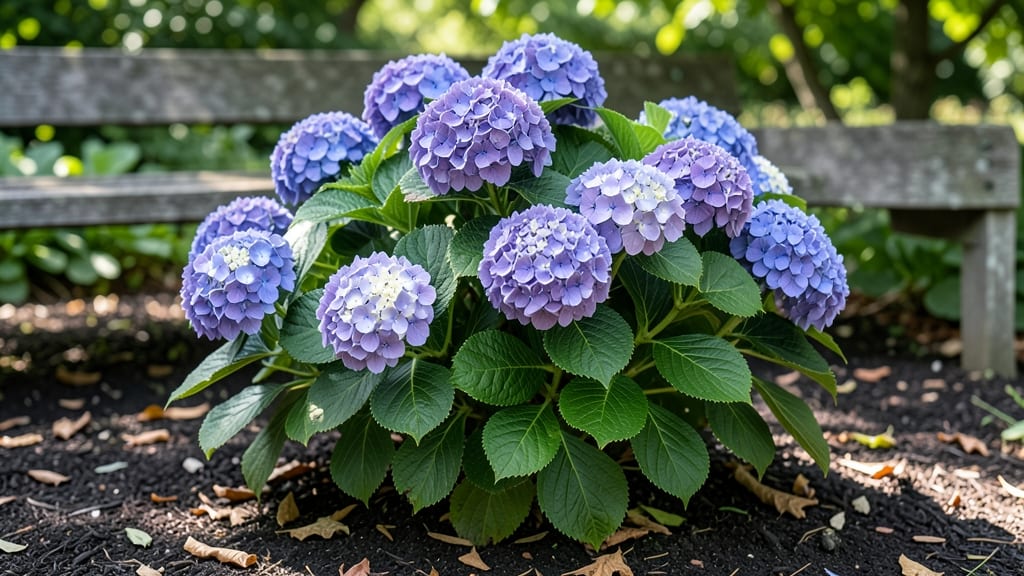
Your front yard deserves hydrangeas for their bold, year-round curb appeal—those lush mounds of color that make neighbors pause and smile. 🌸 I planted mine last spring, and now they’re the showstopper of my landscape, requiring almost no extra work beyond occasional pruning.
The secret lies in choosing the right varieties (like Endless Summer for blooms all season) and placing them where they’ll get just enough sun to thrive without wilting.
These plants play well with others, so pair them with boxwoods for structure or lavender for fragrance to create depth. Hydrangeas also handle seasonal changes gracefully—their leaves turn golden in fall, and some varieties even hold onto dried blooms for winter interest.
The key is partial shade (they hate scorching afternoon sun) and well-draining soil, which most front yards already provide.
By summer, you’ll have vibrant blooms in shades of blue, pink, or white, depending on your soil’s pH (yes, you can change the color!). They grow 3-6 feet tall, so they frame entryways beautifully without overwhelming smaller spaces.
The best part? They’re drought-tolerant once established, meaning less watering and more time enjoying your garden’s transformation.
For a foolproof front yard, start with three hydrangeas (odd numbers look best) and add mulch to keep roots cool. Prune in late winter, and watch your curb appeal soar—no green thumb required. Here’s how to make it happen without the guesswork.
📚 In This Guide
- What you need
- Instructions
- Tips and common mistakes
- Wrapping up and next steps
What you need
- ● Hydrangea plants: 3–5 mature hydrangeas (e.g., Hydrangea macrophylla, Hydrangea paniculata, or Hydrangea arborescens for variety). Choose container-grown plants (1–3 gallons) for easier transplanting.
- ● High-quality potting soil or garden soil: 1–2 cubic yards (amend with compost for drainage).
- ● Organic mulch: 2–3 inches of pine bark or shredded leaves to retain moisture.
- ● Slow-release fertilizer: 10–20 lbs of balanced 10-10-10 or acid-loving plant fertilizer (for macrophylla varieties).
- ○ Mulch rings or landscape fabric: Optional, to suppress weeds.
- ● Garden trowel or spade: For digging holes (6–12 inches wide/deep).
- ● Garden gloves: To protect your hands from thorns and soil.
- ● Watering can or hose with nozzle: For gentle, deep watering.
- ● Pruning shears: Sharp, bypass-style (avoid anvil pruners).
- ● Measuring tape or ruler: To ensure proper spacing (3–6 feet apart, depending on variety).
- ○ Wheelbarrow: Optional, for hauling soil/mulch.
- ● Sunlight assessment: Confirm your yard’s light exposure (full sun, partial shade, or full shade).
- ● Soil pH test: Macrophylla loves acidic soil (pH 5.2–6.0)—use a soil test kit if unsure.
- ● Drainage check: Ensure no standing water; hydrangeas hate soggy roots!
- ● Local planting guidelines: Check your USDA Hardiness Zone (most hydrangeas thrive in Zones 4–9).
Step-by-Step guide to planting hydrangeas in your front yard
Here's how to create a stunning, low-maintenance hydrangea display that thrives year after year.
🪴 Step 1: Select the Perfect Planting Location
Hydrangeas need partial shade to full sun—morning sun with afternoon shade works best in hotter climates. Avoid deep shade, which leads to sparse blooms. I always check the yard's sun patterns for at least 4-6 hours of sunlight daily, but never scorching afternoon rays that dry out the soil too quickly.
Test your spot by observing sunlight patterns for a week before planting. The ideal location offers dappled sunlight through nearby trees or a north-facing exposure. Hydrangeas planted in full sun will need consistent moisture to prevent leaf scorch, while those in too much shade may produce fewer blooms.
🌱 Step 2: Prepare the Soil for Optimal Growth
Hydrangeas thrive in well-draining, acidic soil with a pH between 5.0 and 6.0. If your soil is heavy clay or alkaline, amend it with 2-3 inches of organic matter like compost or peat moss before planting. I mix in a slow-release fertilizer (10-10-10) to give roots a nutrient boost right away.
Dig a hole twice as wide as the root ball but only as deep—planting too deep can suffocate the roots. Loosen the sides of the hole to encourage root spread. If your soil tests high in pH, add sulfur or aluminum sulfate to lower it gradually, as hydrangeas need acidic conditions for vibrant blooms.
☀️ Step 3: Plant Hydrangeas at the Right Depth and Spacing
Position the hydrangea so the top of the root ball sits level with the soil surface—never bury the stem or crown. Space plants 4-6 feet apart for mature size, allowing room for airflow and future growth. I always water the root ball thoroughly before planting to help roots settle into the new soil.
Backfill the hole with native soil mixed with compost, pressing gently to remove air pockets. Water deeply to eliminate gaps and encourage root contact with the amended soil. Mulch around the base with 2-3 inches of organic mulch, keeping it 3 inches away from the stem to prevent rot.
💧 Step 4: Water and Fertilize for Year-Round Color
Water deeply 2-3 times per week for the first month, then once a week once established—hydrangeas hate drying out. You'll know they're getting enough water when the top 2 inches of soil stay moist but not soggy. In hot climates, increase watering to every 4-5 days during dry spells.
Fertilize in early spring with a balanced, slow-release fertilizer (10-10-10) and again in mid-summer with a low-phosphorus formula (like 12-4-8) to encourage blooms. Avoid high-nitrogen fertilizers, which promote leafy growth at the expense of flowers. Prune spent blooms in late fall or early spring to shape the plant and encourage new growth.
✂️ Step 5: Prune and Maintain for Long-Term Brilliance
Prune old wood hydrangeas (like macrophylla) in late winter or early spring before new growth appears. Cut back last year's stems by half, removing dead or weak growth. For new wood hydrangeas (like paniculata), prune in late winter to shape the plant and remove dead stems.
Watch for yellowing leaves, which signal overwatering or nutrient deficiency. If blooms stay small or pale, test your soil pH—hydrangeas need acidic conditions for vibrant color. Adjust with sulfur or aluminum sulfate if needed. With proper care, your hydrangeas will reward you with season-long color and minimal effort.
Tips & tricks for perfect front yard hydrangeas
Transforming your front yard into a vibrant hydrangea display doesn't have to be complicated—these insights will help you avoid common pitfalls and maximize your plants' potential.
Location Intelligence: That 4-6 hours of sunlight mentioned in Step 1 is your golden window—morning sun with afternoon shade is ideal for most climates. If your yard gets intense afternoon sun, consider planting near a north-facing wall or under deciduous trees that provide summer shade but allow winter sun. I've seen hydrangeas struggle in spots with reflected heat from driveways or fences, so always test your location for at least a week before planting to understand the true light conditions.
Soil Science: The pH range of 5.0-6.0 is non-negotiable for vibrant blooms, but achieving it takes patience. If your soil tests higher, don't rush to add sulfur—gradual adjustments work best. I recommend testing your soil pH again in 3-4 months after amending, as changes can take time. For heavy clay soils, mix in perlite or coarse sand to improve drainage while maintaining that crucial acidity. The 2-3 inches of organic matter should be worked into the bottom of the hole first, creating a nutrient-rich layer where roots can establish.
Planting Precision: When positioning your hydrangea in Step 3, think about the mature plant's size—those 4-6 feet of spacing will feel tight when the plant reaches full height. I like to mark the planting spot with a stake before digging, ensuring I maintain the proper depth. The mulch ring should extend just beyond the plant's eventual canopy to protect roots from temperature swings. And here's a pro move: water the root ball again after backfilling, then cover with a clear plastic dome for 24 hours to create a humid microclimate that encourages root growth.
Pro Tips for Hydrangea For Front Yard
- Transforming your front yard into a vibrant hydrangea display doesn't have to be complicated—these insights will help...
- Location Intelligence: That 4-6 hours of sunlight mentioned in Step 1 is your golden window—morning sun with afternoo...
- Soil Science: The pH range of 5.0-6.0 is non-negotiable for vibrant blooms, but achieving it takes patience. If your ...
Frequently asked questions
Got questions about adding hydrangeas to your front yard? You’re not alone! Here are some of the most common concerns—and their easy solutions.
What’s the best time of year to plant hydrangeas in my front yard?
Plant hydrangeas in early spring or early fall when temperatures are mild (50–70°F). This gives roots time to establish before extreme heat or cold. Avoid planting in summer—it stresses young plants!
How much water do hydrangeas need, and how often should I water them?
Hydrangeas love consistent moisture but hate soggy soil. Water deeply 2–3 times per week (more in hot/dry climates) and mulch around the base to retain humidity. Yellowing leaves? You’re likely over- or under-watering!
Are there low-maintenance hydrangea varieties perfect for beginners?
Try ‘Endless Summer’ (reblooms all season) or ‘Limelight’ (drought-tolerant once established). Both thrive in partial shade and need minimal pruning. Pro tip: ‘Little Lime’ is a compact, fuss-free dwarf option for small spaces!
What pests or diseases should I watch for with hydrangeas?
Keep an eye out for aphids, slugs, and powdery mildew. Use neem oil for pests and ensure good airflow to prevent mildew. Overwatering or poor drainage? That’s a red flag for root rot—amend soil with compost to improve drainage.
Can I change my hydrangea’s flower color? How?
Yes! Soil pH affects blue/purple vs. pink blooms. For blue flowers, add aluminum sulfate to acidic soil (pH < 5.5). For pink flowers, raise pH with lime. Test soil annually for best results!
Do hydrangeas survive winter in cold climates?
Most hydrangeas are hardy to USDA Zones 5–9, but young plants or tender varieties (like mophead) may need winter protection. Mulch heavily and wrap stems in burlap if temps drop below 10°F. Evergreen hydrangeas (‘Oakleaf’) handle cold best!
Wrapping up and next steps
Transforming your front yard with hydrangeas is a game-changer—offering year-round charm, vibrant blooms, and effortless elegance. These low-maintenance beauties thrive in diverse climates, adapt to various soil types, and bring curb appeal with minimal fuss.
Whether you’re drawn to their lush foliage or showstopping flowers, hydrangeas are the perfect way to elevate your outdoor space with color and confidence!
Ready to get started? Pick your favorite variety, grab your gardening tools, and plant with purpose. Your dream front yard is just a few steps away—let those hydrangeas shine! 🌸✨