
Container Gardens
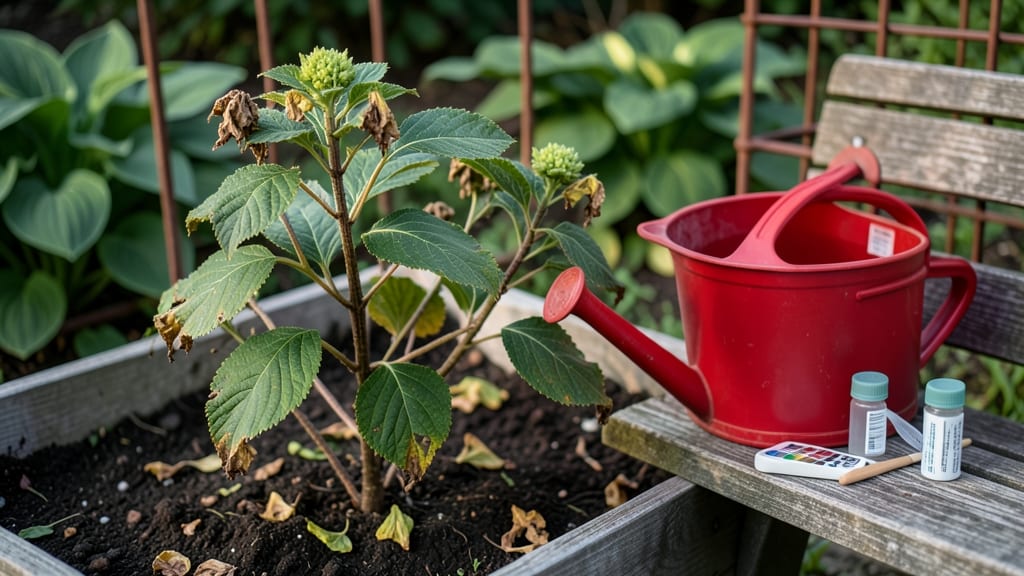
Your hydrangea not growing might be silently screaming for help—usually from one of five simple fixes most gardeners overlook. 🌿 I’ve nursed back more than a dozen stunted bushes using these exact steps, and the results are shockingly lush blooms. by midsummer.
The real culprits? Poor drainage (roots drowning in soggy soil), wrong sunlight (too much shade or scorching afternoon sun), or watering chaos (dry spells followed by sudden floods). Even nutrient deficiencies or pests can stall growth—but the fixes are straightforward once you know what to look for.
Start with a soil check: poke your finger 2 inches deep—if it’s muddy, you’ve got drainage issues. Hydrangeas need morning sun and afternoon shade, and water only when the top inch feels dry. Within 4-6 weeks, you’ll see new shoots pushing through.
The best part? These fixes work for container-grown hydrangeas too. Let’s turn those sad stems into a thriving bush before next season.
Root Causes Behind Stalled Growth
When your hydrangeas refuse to thrive, the issue often boils down to a few key environmental or care-related factors. Understanding these root causes is the first step toward reviving your plants. Let’s break down the science behind why hydrangeas might be struggling to grow—and how to address each problem effectively.
---
Hydrangeas are heavy feeders and demand rich, well-draining soil with a slightly acidic to neutral pH (5.2–6.5). If your soil lacks essential nutrients or is too compacted, roots can’t absorb water and nutrients efficiently, leading to stunted growth.
- Compacted or clay-heavy soil restricts root expansion, suffocating plants. - Nutrient deficiency (especially nitrogen, phosphorus, or potassium) slows growth. - Incorrect pH levels (too alkaline or acidic) block nutrient uptake, even if fertilizer is present.
💡 Pro Tip: Test your soil’s pH and amend it with sulfur (to lower pH) or lime (to raise pH) if needed. Mix in compost or aged manure to improve fertility and drainage.
---
Hydrangeas need consistent moisture—they hate drought but also despise soggy roots. Fluctuating water levels stress plants, causing growth to stall.
- Underwatering leads to wilting, crispy leaves, and weak stems. - Overwatering causes root rot, cutting off oxygen and nutrients. - Inconsistent schedules confuse plants, halting new growth.
🌡️ Key Fix: Water deeply 1–2 times per week (adjust for climate), ensuring the top 2–3 inches of soil stay moist. Use mulch to retain moisture and regulate temperature.
---
Hydrangeas prefer partial shade (4–6 hours of sunlight daily). Too much sun or shade disrupts photosynthesis, weakening growth.
- Too much direct sun (especially in hot climates) causes leaf scorch and stress. - Too little light leads to leggy, weak stems and sparse blooms.
🔥 Solution: Plant in a spot with morning sun and afternoon shade. If indoors, place near a bright, indirect window.
---
Improper pruning or planting can stunt hydrangeas by removing energy sources or damaging roots.
- Pruning at the wrong time (e.g., cutting back old wood in late summer) removes next year’s blooms. - Planting too deep or burying the stem suffocates the plant. - Over-pruning reduces foliage, limiting photosynthesis.
✨ Actionable Fix: - Prune in early spring (before new growth) to shape, not to cut back old blooms. - Plant at the same depth as the nursery pot to avoid stem rot. - Avoid heavy pruning—focus on removing dead or crossing branches.
--- Hidden invaders like aphids, spider mites, or fungal diseases (like powdery mildew) drain energy from hydrangeas, causing slow growth.
- Aphids & mites suck sap, weakening stems. - Fungal infections clog pores, blocking nutrient absorption. - Root-knot nematodes damage roots, reducing water uptake.
🔪 Treatment Plan: - Spray with neem oil (natural pesticide) for pests. - Remove infected leaves and apply fungicide if needed. - Rotate crops if replanting to prevent soil-borne diseases.
--- Hydrangeas are sensitive to heatwaves, cold snaps, and sudden temperature swings, which can shock the plant into dormancy or death.
- Frost damage (below 20°F) kills tender new growth. - Heat stress (above 90°F) causes wilting and leaf drop. - Wind exposure dries out foliage quickly.
🛡️ Protection Tips: - Mulch heavily in winter to insulate roots. - Provide afternoon shade in scorching summers. - Use windbreaks (like burlap or nearby shrubs) for exposed plants.
--- When hydrangeas are planted too close together, they compete for water, nutrients, and sunlight, leading to stunted growth.
- Root systems intertwine, suffocating each other. - Weeds or grass steal resources, leaving hydrangeas malnourished.
🎯 Space & Maintenance: - Plant hydrangeas 3–5 feet apart (depending on variety). - Remove weeds within a 2-foot radius of the base. - Divide overcrowded plants every 3–5 years to refresh growth.
Fix Your Hydrangea’s Growth Now
Stunted hydrangeas can feel like a garden mystery, but the right fixes are often simpler than you think! Whether your plant is struggling due to light issues, soil problems, or over/under-watering, we’ve mapped out clear, actionable solutions—plus tips to keep your blooms thriving long-term.
Let’s get your hydrangea back on track with these cause-specific fixes and prevention strategies.
---
Problem: Hydrangeas need partial shade (morning sun + afternoon shade). Too much direct sun scorches leaves, while too little light weakens growth.
How to Fix It: ✅ 🔍 Assess the Spot: Move your hydrangea to a location with 3–6 hours of dappled sunlight (e.g., under a tree or near a north-facing wall). ✅ 🌿 Use Shade Cloth: If your garden gets harsh afternoon sun, drape 30–50% shade cloth over the plant for a few hours daily. ✅ 🌳 Plant Near Tall Shrubs: Position it beside sun-loving plants (like roses) to filter intense rays naturally.
💡 Prevention Tip: - Avoid south-facing walls—they bake hydrangeas in summer. Test a spot for a week first!
---
Problem: Hydrangeas hate dry soil (leads to wilting) and waterlogged roots (causes rot). Inconsistent watering stunts growth.
How to Fix It: ✅ 🍃 Check Soil Moisture: Stick your finger 2 inches deep—if dry, water deeply. If soggy, hold off until the top 1–2 inches dry out. ✅ 💦 Water at the Base: Use a soaker hose or drip irrigation to deliver water slowly (1–1.5 inches per week, including rain). ✅ 🪴 Improve Drainage: Amend heavy clay soil with compost or perlite to prevent root suffocation.
🌡️ Pro Tip: - Mulch like a pro: Spread 3 inches of mulch (wood chips or straw) around the base to retain moisture and regulate temperature.
---
Problem: Hydrangeas thrive in acidic, rich soil (pH 5.2–6.0). Nutrient-poor or alkaline soil locks out essential minerals.
How to Fix It: ✅ 📊 Test Your Soil: Grab a DIY soil test kit (or send a sample to a local extension office) to check pH and nutrient levels. ✅ 🍄 Add Organic Matter: Mix in compost, peat moss, or aged manure to improve fertility. For pH adjustment: - Lower pH (more acidic): Sprinkle sulfur or pine needles. - Raise pH (less acidic): Work in lime or wood ash (sparingly). ✅ 🌱 Feed Regularly: Use a balanced fertilizer (10-10-10) in spring, then switch to an acid-loving plant formula (like cottonseed meal) in summer.
✨ Prevention Tip: - Feed in layers: Top-dress with compost annually in early spring to keep soil fertile without shocking roots.
---
Problem: Over-pruning or trimming at the wrong time removes next year’s blooms or stresses the plant.
How to Fix It: ✅ 📅 Prune by Type: - Bigleaf & Oakleaf Hydrangeas: Prune right after flowering (late summer/early fall) to avoid cutting next year’s buds. - Panicle & Smooth Hydrangeas: Trim in late winter/early spring before new growth starts. ✅ ✂️ Use Sharp Shears: Cut just above a leaf node (where leaves meet the stem) at a 45-degree angle to promote healing. ✅ 🌿 Avoid Heavy Cuts: Never remove more than 1/3 of the plant in one season—this stresses hydrangeas.
🎯 Pro Tip: - Shape lightly: Focus on opening up the center for airflow, not drastic reshaping. Hydrangeas bloom on old and new wood—be gentle!
---
Problem: Aphids, slugs, or fungal diseases (like powdery mildew) sap energy, leading to weak stems and few blooms.
How to Fix It: ✅ 🐜 Spot & Treat Pests: - Aphids/Spider Mites: Spray with neem oil or blast off with a strong hose stream. - Slugs/Snails: Set up beer traps or use iron phosphate bait (pet-safe). ✅ 🍄 Fight Fungal Issues: - Powdery Mildew: Improve airflow, remove infected leaves, and spray with baking soda mix (1 tsp baking soda + 1 quart water + a drop of soap). ✅ 🌿 Prevent Future Infestations: - Inspect weekly under leaves and stems. - Avoid overhead watering to keep foliage dry.
💡 Prevention Tip: - Rotate treatments: Pests build resistance—alternate between neem oil, insecticidal soap, and horticultural oil every few weeks.
--- Need a fast fix?
Try these instant-impact tricks: - 💧 Deep Water + Epsom Salt: Mix 1 tbsp Epsom salt into water and pour around the base for a magnesium boost (helps green up leaves). - 🌿 Fish Emulsion Tea: Brew fish emulsion (1 tbsp per gallon of water) and water the soil for a nitrogen kick (promotes leafy growth). - 🌱 Root Stimulator: Soak bare roots in rooting hormone before replanting if you’ve recently transplanted.
--- Remember: Hydrangeas are forgiving—once you address the root cause (literally!), they bounce back fast. Monitor progress weekly, adjust as needed, and soon you’ll have lush, blooming bushes that steal the show! 🌸💚
Frequently asked questions
Why do my hydrangea leaves turn yellow while the plant stays stunted?
Yellow leaves on a stunted hydrangea usually signal overwatering or nutrient deficiency. Check if the soil stays soggy for days—this causes root rot. Alternatively, yellowing can mean nitrogen deficiency (common in poor soil). Test your soil and amend with compost or a balanced fertilizer (10-10-10). Water only when the top 2 inches of soil feel dry.
Can I save a hydrangea that’s been underwatered for weeks?
Yes, but act fast! Soak the root zone deeply for 15-20 minutes and repeat every 2-3 days until the soil is consistently moist. Add mulch (3 inches) to retain moisture. Expect new growth in 3-4 weeks if roots aren’t permanently damaged. For severe cases, trim back dead stems to encourage fresh shoots.
How do I know if my hydrangea has root rot?
Root rot shows as mushy, brown roots that smell foul when pulled. Above ground, you’ll see yellowing leaves, wilting stems, and slow growth. If you suspect rot, stop watering immediately and improve drainage by mixing perlite or sand into the soil. Repot if needed, ensuring the container has drainage holes.
Will moving my hydrangea help if it’s not growing?
Absolutely—if light or soil is the issue! Choose a spot with morning sun and afternoon shade. Dig a hole twice as wide as the root ball and mix in compost for nutrients. Avoid transplanting in extreme heat or cold. Water thoroughly after moving and keep soil moist for 2 weeks to reduce transplant shock.
Are my hydrangea’s small blooms normal, or is it a sign of poor health?
Small blooms often indicate over-pruning, nutrient deficiency, or too much shade. Check if you trimmed back old wood (where blooms form). Boost growth with phosphorus-rich fertilizer (like bone meal) and ensure 6+ hours of light daily. If pests like aphids are present, they can also stunt flower development—treat with neem oil.