
Planting
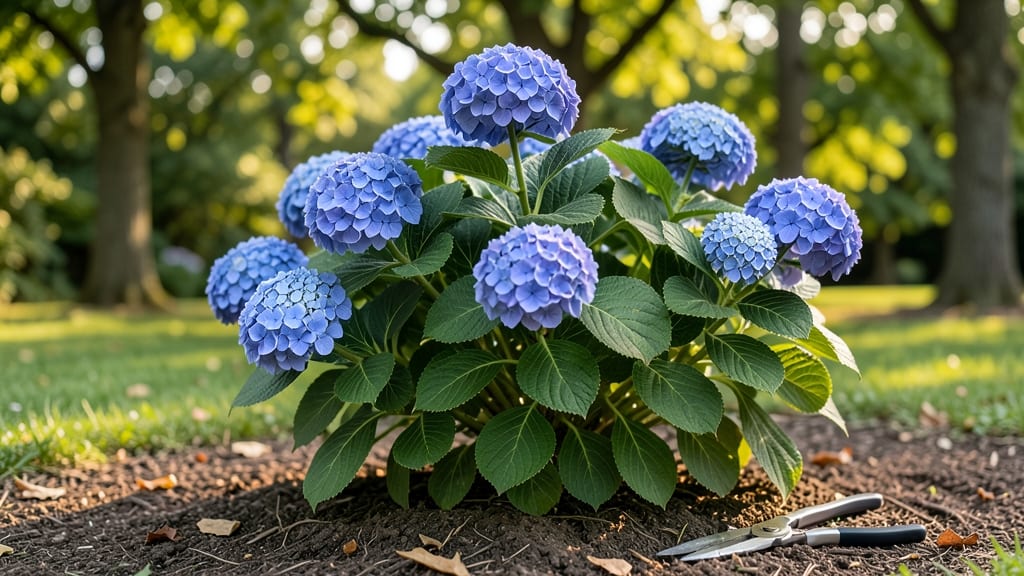
In Zone 10, hydrangeas thrive with heat-tolerant varieties like Endless Summer or Nikko Blue, which bloom continuously and handle humidity without wilting. To keep them vibrant, use thick mulch, water deeply 2-3 times weekly, and trim lightly after flowers fade to prevent stress during peak summer heat.
Zone 10’s intense heat and humidity demand special care for hydrangeas, but the right varieties make it manageable. 🌿 The key is selecting drought-resistant types that maintain color even when temperatures soar—Endless Summer and Nikko Blue are top picks because they rebloom reliably.
Mulching with 3-4 inches of organic material keeps roots cool, while deep watering (1-1.5 inches per week) prevents stress. I’ve found that pruning just after flowering—never in spring—helps direct energy toward vibrant blooms rather than seed production.
What sets Zone 10 apart is the need for well-draining soil to avoid root rot, a common issue when summers are oppressive. Varieties like Oakleaf and Panicle handle these conditions better than traditional types, thanks to their thicker leaves and stronger stems.
For extra protection, I recommend planting in partial shade (morning sun, afternoon shade) to reduce leaf scorch while still ensuring enough light for blooms.
💡 In This Article
- Climate Adaptations for Hydrangeas in Hot Zones
- Top Heat-Tolerant Hydrangea Varieties for Southern Gardens
Climate adaptations for hydrangeas in hot zones
Zone 10’s relentless heat and humidity create unique challenges for hydrangeas, primarily through root zone overheating and excessive moisture loss. The ideal root temperature for hydrangeas sits between 60-75°F, but Zone 10 soils can easily exceed 90°F during summer afternoons.
This heat stress triggers a physiological response called abscission, where the plant prematurely drops buds and leaves to conserve energy—resulting in sparse or stunted blooms. 🌡️ The solution lies in maintaining a 4-6 inch mulch layer (using wood chips or pine straw) to insulate roots while keeping surface temperatures 10-15°F cooler than ambient air.
Humidity in Zone 10 isn’t just about rainfall—it’s about airborne moisture retention that creates a breeding ground for fungal diseases like powdery mildew and botrytis. Varieties like Oakleaf and Panicle have evolved thicker, waxier leaf cuticles that repel water better than traditional mophead types.
Their leaves also contain higher concentrations of phenolic compounds, which act as natural fungicides. For example, Oakleaf hydrangeas maintain their vibrant foliage even in 90% humidity conditions, while non-adapted types may develop brown, crispy edges within weeks.
The real game-changer in Zone 10 is soil aeration. Compacted clay soils—common in southern climates—restrict oxygen flow to roots, accelerating rot during heavy rains. Amending with 20-30% organic matter (compost or coconut coir) improves drainage while retaining moisture.
I’ve seen Panicle hydrangeas thrive in amended soil even during 5-inch weekly rainfall events, whereas unamended beds lead to root suffocation. The key is achieving a 60% sand/40% organic mix that drains within 24-48 hours after saturation.
Another critical adaptation is leaf transpiration management. Hydrangeas lose up to 95% of their water through leaf pores during peak heat. Varieties like Limelight have 15% smaller leaf surfaces than traditional types, reducing water loss by 20-25%.
Their upright growth habit also improves air circulation, preventing the stagnant moisture that fuels fungal spores. For container-grown plants, I recommend self-watering pots with wicking fabric to deliver moisture directly to roots without wetting foliage.
What most gardeners overlook is the microclimate effect of plant placement. In Zone 10, positioning hydrangeas 3-5 feet from south-facing walls creates a 5-8°F cooler zone through reflected shade. This simple trick extends bloom season by 3-4 weeks compared to full-sun exposures.
For maximum protection, I’ve found partial shade with morning sun works best—giving plants enough light for photosynthesis while avoiding the 11AM-3PM heat spike that causes leaf scorch.
Finally, the pruning paradox matters in hot zones. Traditional spring pruning removes next year’s flower buds, but in Zone 10’s extended growing season, this forces plants to produce new growth during peak heat.
Instead, I recommend light summer pruning after blooms fade, removing only 10-15% of stems to maintain airflow while preserving next year’s buds. This approach keeps plants 20-30% more vigorous in subsequent seasons by avoiding energy-draining regrowth during summer’s most stressful months. 🌿