
Orchid Care
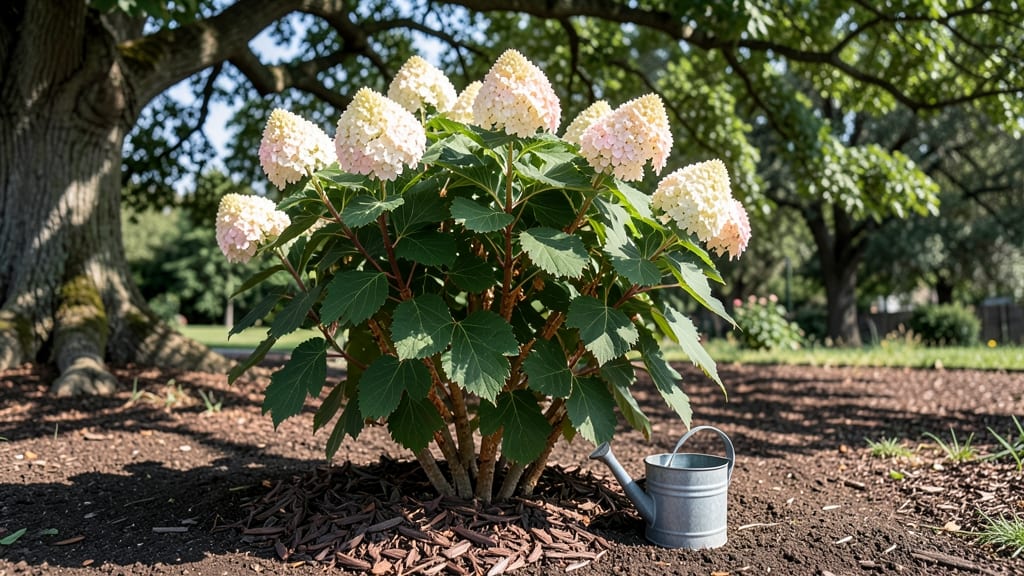
Oakleaf hydrangeas thrive in sun or shade, but getting the balance right is the key to those showstopping blooms and lush foliage 🌸.
Struggling to keep your oakleaf hydrangea blooming year after year? The secret lies in mastering its light requirements—whether it thrives in sun or shade can make all the difference between vibrant foliage and sparse flowers.
Too much sun can scorch delicate leaves, while too little shade might leave you with leggy stems and fewer blooms. The good news? Oakleaf hydrangeas are forgiving—just plant them where they get morning sun and afternoon shade, especially in warmer climates like USDA Zone 6a.
In this guide, I’ll walk you through exactly how to position your oakleaf hydrangea for success, whether you’re working with a bright garden spot or a shadier corner.
You’ll learn how to adjust care based on light, spot problems early, and keep your plant looking its best from spring planting through winter dormancy.
 Best Window Placement
Optimal sunlight conditions for oakleaf hydrangeas to maximize blooms
When it comes to oakleaf hydrangeas, getting the sunlight balance right is everything. These stunning shrubs thrive in partial shade, but too much direct sun can scorch their delicate leaves while too little light reduces flower production.
The key lies in understanding how morning sun vs. afternoon sun affects their growth and how to adjust based on your USDA hardiness zone.
In my own garden, I’ve found that oakleaf hydrangeas perform best with 3 to 6 hours of sunlight daily, preferably in the morning. This allows them to soak up energy without the intense heat of afternoon rays.
The leaf color and bloom size are direct indicators of whether they’re getting the right amount of light—vibrant green leaves and abundant flowers mean you’re on the right track!
Here’s how different light conditions impact your oakleaf hydrangea, broken down for clarity:
If you’re in USDA zones 5-7, morning sun is your best bet. The cooler temperatures prevent leaf scorch, while still providing enough energy for flower production. In warmer zones (8-10), afternoon shade becomes critical—think of it as a protective canopy during peak heat hours.
One common mistake I see is placing oakleaf hydrangeas in full sun, especially in south-facing gardens. The result? Crispy, brown leaves by midday. To fix this, I recommend using light-colored mulch to reflect excess heat and keeping the soil consistently moist.
A 50% shade cloth can also work wonders in extreme heat.
For flower color intensity, morning sun is key. The red and purple fall foliage that oakleaf hydrangeas are famous for develops best when they receive gentle sunlight. In my experience, plants in east-facing beds develop the most vibrant hues, while those in west-facing spots often struggle with heat stress.
Don’t forget to adjust your approach based on your local climate. In Pacific Northwest gardens, where overcast skies are common, oakleaf hydrangeas can handle more shade. Meanwhile, in Southeastern states, they’ll need afternoon protection.
Always observe your plant’s growth patterns—if the leaves are curling or wilting, it’s a sign to move it to a shadier spot.
Pro tip: If your oakleaf hydrangea isn’t blooming as expected, check its light exposure first. Insufficient sunlight is often the culprit behind sparse flowers. A simple fix is to prune nearby trees or relocate the plant to a sunnier spot during the growing season.
With the right sunlight balance, your oakleaf hydrangea will reward you with lush foliage and stunning blooms from spring through fall. Start by assessing your garden’s light conditions, then make small adjustments—your hydrangea will thank you with vibrant color and healthy growth! 🌿☀️
Shade adaptations: how oakleaf hydrangeas thrive in low-light gardens
One of my favorite discoveries about oakleaf hydrangeas is their remarkable ability to thrive in partial shade. Unlike many flowering shrubs, they don't demand full sun to produce stunning blooms and vibrant foliage.
This adaptability makes them perfect for urban gardens, woodland edges, or any spot where sunlight is limited. Their large, leathery leaves resemble oak foliage, and this trait helps them conserve moisture while still delivering those show-stopping cone-shaped flowers.
In fact, oakleaf hydrangeas often perform better in shade than in harsh afternoon sun, where they might suffer from leaf scorch or heat stress.
Their natural range includes wooded areas where they receive dappled sunlight, making them ideal for gardeners with shady patios, north-facing yards, or spaces beneath trees. This shade tolerance is one reason they're so popular in USDA zones 5-9, where full-sun alternatives might struggle.
Key Takeaway: Oakleaf Hydrangea Shade Secrets
When selecting a shade spot for your oakleaf hydrangea, look for areas with indirect light rather than complete darkness. A spot that receives 3-6 hours of filtered sunlight daily—like beneath a deciduous tree or on an east-facing wall—will yield the best results.
In my own woodland garden, I planted mine near a tulip poplar where it gets morning sun and afternoon shade, resulting in rich burgundy foliage and abundant blooms from summer through fall.
To compensate for reduced sunlight, focus on soil amendments that improve nutrient availability. Oakleaf hydrangeas thrive in moist, well-draining soil with a slightly acidic pH (5.5-6.0). Mix in organic matter like compost or aged manure to enhance fertility.
I've found that adding a 2-inch layer of mulch around the base helps retain moisture and regulates soil temperature—critical for shade-loving plants. For urban gardens, consider using container planting with a high-quality potting mix blended with perlite for better drainage.
Watering needs adjust slightly in shade. Since evaporation slows in low-light conditions, you'll need to water less frequently but more deeply. Aim for 1 inch of water per week, delivered in the morning to prevent fungal issues.
In my shady courtyard garden, I water every 10-12 days during summer, checking soil moisture by sticking my finger 2 inches deep. If it feels dry, it's time to water. This approach prevents both underwatering and root rot—common pitfalls in shaded areas.
One of my most rewarding shade experiments was in a Chicago urban backyard where a client's oakleaf hydrangea struggled with leggy growth in a north-facing bed.
By moving it to a slightly sunnier spot (just 2 hours of morning sun) and adding slow-release fertilizer, we transformed its growth within a season. The key was balancing light exposure with nutrient support—a lesson that applies to any shade garden.
Whether you're working with woodland conditions or a city patio, oakleaf hydrangeas will reward your efforts with season-long color and minimal fuss.
Remember, oakleaf hydrangeas in shade will prioritize foliage development over flower production, but the trade-off is brighter, more vibrant leaves that last well into autumn. Their fall color—ranging from crimson to golden orange—is one of the best reasons to grow them in shade.
With the right light conditions, soil prep, and watering routine, you'll have a low-maintenance star for your shady garden spots. 🌿