
Size
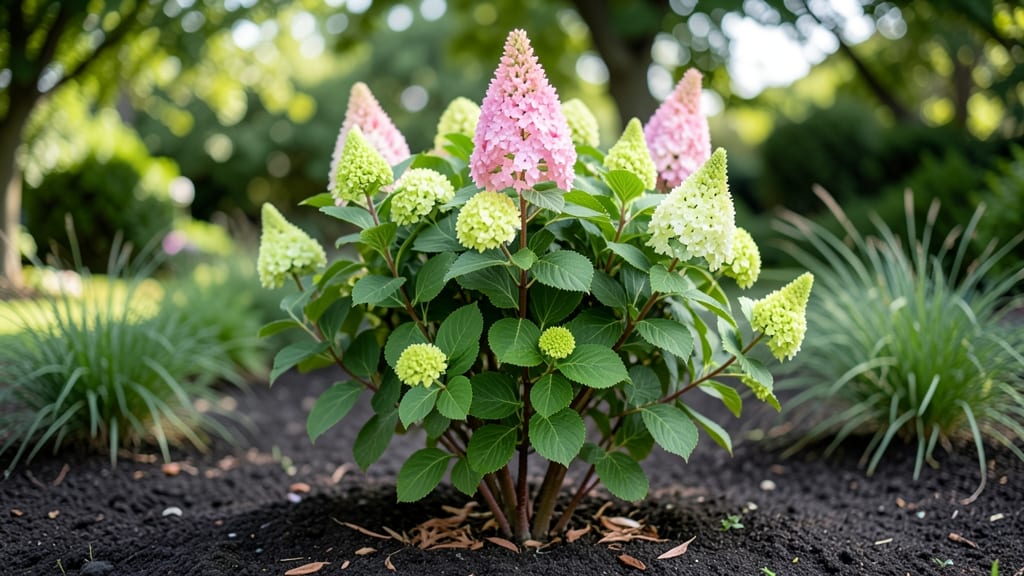
The Quick Fire Hydrangea size you end up with depends entirely on how—and when—you prune it. This vibrant 🌸 shrub can grow anywhere from 3 feet to a towering 6 feet, but most gardeners miss the trick to keeping it compact.
If your Quick Fire hydrangea is sprawling beyond its intended space—or you dream of a bushier, more controlled plant—pruning is the secret weapon every gardener needs. This fast-growing variety responds dramatically to the right cuts, but timing and technique make all the difference.
Understanding how to shape it isn’t just about aesthetics; it directly impacts bloom production and plant health. A well-pruned Quick Fire hydrangea thrives with lush, vibrant blooms, while neglect can leave you with leggy stems and fewer flowers.
In this guide, I’ll walk you through the exact pruning steps to achieve your ideal size—whether you want a neat, 3-foot bush or a tall, statement-making 6-footer—plus the best times to prune for maximum impact.


How pruning controls Quick Fire hydrangea size: the science of growth
The Quick Fire hydrangea grows aggressively, reaching 4–6 feet tall if left unchecked. But pruning isn’t just about shrinking it—it’s about shaping its growth to match your garden’s needs. This variety produces blooms on new wood, meaning last year’s growth fuels this year’s flowers.
Cut too late or too hard, and you risk fewer blooms or leggy stems. The key lies in understanding how pruning timing and cut intensity trigger either bushier or taller growth.
Your pruning decisions directly impact the plant’s growth habit. Aggressive cuts in late winter encourage bushier, denser growth by stimulating multiple new stems. In contrast, light summer pruning promotes taller, more upright stems by focusing energy on vertical growth.
The Quick Fire’s natural spread—up to 3–4 feet wide—can be tamed with strategic cuts, but timing is everything. Prune at the wrong time, and you’ll end up with a sparse, leggy plant or no flowers at all.
Here’s the science: Hydrangeas like Quick Fire grow via apical dominance, where the topmost buds control growth. Removing these buds (via pruning) forces side buds to wake up, creating more branches. Cut too much, and the plant redirects energy to fewer, taller stems.
Cut too little, and it grows wildly with weak, flowerless branches. Balance is key—especially for this variety, which thrives on structured pruning to maintain its vibrant red blooms.
🌿
| Pruning Method | Best Time | Cut Intensity | Resulting Size | Bloom Impact |
|---|---|---|---|---|
| Late Winter Pruning | Feb–March (before buds swell) | Cut back 1/3 of oldest stems to ground | 3–4 ft tall, bushy | Max blooms (new wood) |
| Summer Pruning | June–July (after blooming) | Trim 10–20% of leggy stems | 4–6 ft tall, upright | Moderate blooms (encourages height) |
| Minimal Pruning | None or light shaping | Remove dead/diseased wood only | 5–6 ft tall, wild spread | Fewer blooms (overgrowth) |
| Renewal Pruning | Every 3–4 years | Cut all stems to 6 inches | 3–4 ft tall, dense regrowth | Full bloom recovery (next year) |
The late winter pruning method is my go-to for compact Quick Fire hydrangeas. By cutting back 1/3 of the oldest stems to the ground in February or March, you force the plant to send up multiple new shoots from the base.
This creates a fuller, bushier shape while ensuring abundant blooms on new wood. The trade-off? You’ll see fewer stems the first year post-prune, but the payoff is denser foliage and brighter blooms by summer.
For a taller, lush Quick Fire, opt for light summer pruning after the plant finishes blooming. Trim only the longest, leggy stems by 10–20% to encourage upward growth. This method works well if you want the hydrangea to dominate a backdrop or soften a fence line.
Just avoid heavy cuts—this variety hates aggressive summer pruning, which can stress the plant and reduce next year’s flowers.
If you’ve let your Quick Fire hydrangea grow wild, don’t panic. A renewal pruning every 3–4 years rejuvenates the plant. Cut all stems back to 6 inches in late winter, and prepare for a year of recovery.
The result? A youthful, vigorous plant with plenty of energy for new growth and blooms. Just be patient—it may take 12–18 months to fully rebound, but the long-term health and size control are worth it.
Step-by-step pruning guide for compact vs. lush Quick Fire hydrangeas
Your Quick Fire hydrangea can transform from a wild, leggy shrub to a neat 3–4 ft compact bush or a bold 5–6 ft statement plant—all with the right pruning approach. The key lies in timing, cut placement, and intensity, which I’ll break down step-by-step.
Whether you’re working with a young plant or a mature shrub, these techniques will help you shape your hydrangea without sacrificing blooms.
Quick Fire hydrangeas bloom on old and new wood, meaning they produce flowers on both last year’s growth and current season’s stems. This flexibility makes pruning more forgiving than with mophead varieties, but it still requires precision.
Cut too much or at the wrong time, and you’ll risk reduced blooms or leggy growth. Let’s dive into the exact steps to achieve your desired size—whether that’s a contained border plant or a showstopping focal point.
For a Compact (3–4 ft) Quick Fire Hydrangea
- When: Late winter (before buds swell) or early spring.
- Cut back 1/3 of the oldest stems to the ground to encourage new growth from the base.
- Trim remaining stems by half their height, cutting just above a bud or leaf node at a 45° angle.
- Remove dead, weak, or crossing branches to improve airflow and shape.
- Avoid summer pruning unless deadheading spent blooms to redirect energy to new growth.
For a Lush (5–6 ft) Quick Fire Hydrangea
- When: Late summer (after blooming) or early fall.
- Lightly trim only the tips of stems to encourage branching and fuller growth.
- Remove only dead or damaged stems—avoid heavy cuts to preserve next year’s blooms.
- In late winter, prune minimally, cutting back only 10–15% of the oldest stems to maintain height.
- Apply a balanced fertilizer in early spring to support vigorous growth.
One of the most common mistakes gardeners make is pruning too late in winter, which can stimulate early growth that gets damaged by frost. Always wait until after the last frost date in your zone (typically mid-April for Zone 6a) before making cuts.
Another pitfall is cutting at the wrong angle or too close to buds, which can leave unsightly stubs or prevent new growth.
Use sharp, clean pruners or loppers to make precise cuts—dull tools crush stems and invite disease. For larger branches, a pruning saw is ideal. After pruning, sanitize your tools with rubbing alcohol to prevent spreading bacteria between cuts.
This step is especially important if your hydrangea has had any pests or fungal issues in the past.
Pro tip: If your Quick Fire hydrangea is overcrowded in its current spot, consider transplanting in early spring after pruning. This gives it time to establish roots before summer heat sets in.
Pair this with a layer of mulch around the base to retain moisture and protect roots during the first growing season.
With these techniques, you’ll shape your Quick Fire hydrangea into either a neat, low-maintenance border plant or a bold, lush centerpiece—all while keeping it healthy and blooming abundantly. The key is consistency: prune annually and adjust your approach based on how the plant responds each year.