
Blooming
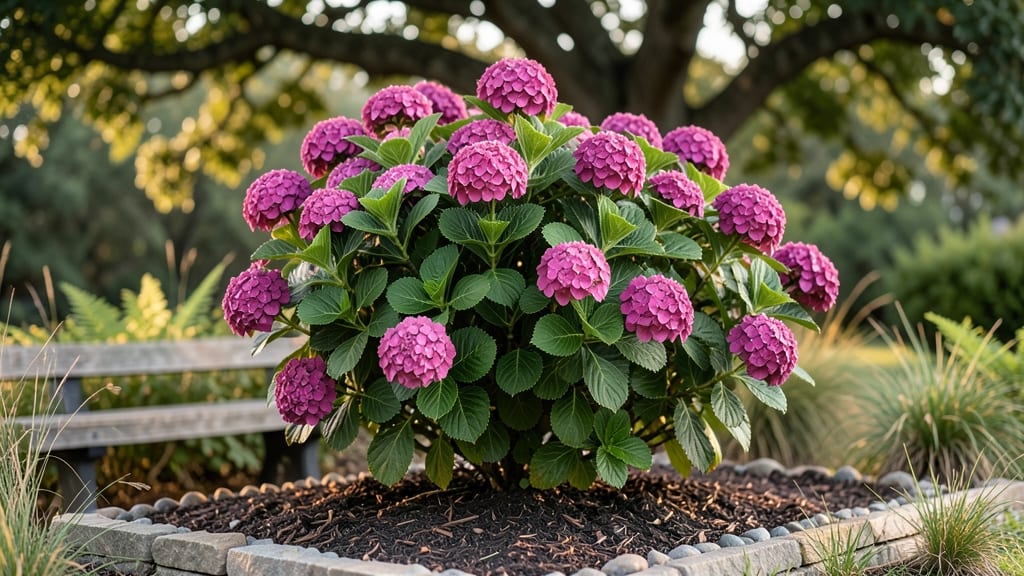
Your container could soon be overflowing with Bloomstruck Bigleaf Hydrangea blooms that shift from pink to blue based on your soil's pH. 🌿 I've trained mine up a simple wooden pole, and the vertical display transforms my patio into a living watercolor painting—no yard required.
The secret lies in morning sun and afternoon shade, consistently moist (but not soggy) soil, and a little annual pruning after the flowers fade. Most gardeners overlook the pole training part, but it saves space and makes harvesting cuttings effortless.
You'll see buds forming by early summer if you get the timing right. By late summer, you'll be snipping stems for arrangements that last weeks in a vase. The color changes with soil pH—add lime for blue, aluminum sulfate for pink—and your container becomes a science experiment with stunning results.
This works equally well on balconies, porches, or even indoors near bright windows. Let's get your hydrangea growing vertically!
📚 In This Guide
- What you need
- Instructions
- Tips and common mistakes
- Wrapping up and next steps
What you need
- ● Bloomstruck Bigleaf Hydrangea: 1 healthy plant (bare-root or potted, 1-2 gallons in size)
- ● Container: 1 large pot (15-20 gallons) with drainage holes—terracotta or fabric pots work best
- ● High-quality potting mix: 1 bag (1-2 cubic feet) of well-draining, acidic soil mix (pH 5.5–6.2). Mix in perlite or orchid bark for aeration.
- ● Slow-release fertilizer: 1 pack of balanced, acid-loving plant fertilizer (e.g., 10-10-10 or hydrangea-specific)
- ● Mulch: 1 bag of pine bark fines or wood chips (to retain moisture and acidify soil)
- ● Support pole or trellis: 1 sturdy 6–8 ft bamboo stake or metal trellis (for pole training)
- ● Soft plant ties: 3–5 jute or Velcro garden ties (to secure the hydrangea to the pole)
- ● Watering can or hose with nozzle: For gentle, deep watering
- ● Soil acidifier: Aluminum sulfate or liquid sulfur to adjust pH if needed
- ● Epsom salt: 1 box (for occasional magnesium boosts)
- ● Container saucer or tray: To catch runoff and prevent messes
- ● Slow-release fertilizer spikes: For hassle-free nutrition
- ● Pruning shears: Small, sharp pair for shaping and maintenance
Step-by-step instructions for pole-trained bloomstruck hydrangeas
Here's how to transform your container into a vertical hydrangea showstopper—no climbing skills required.
🪴 Step 1: Choose Your Container and Support System
Select a 15-20 gallon container with drainage holes—Bloomstruck's roots need room to spread while staying compact enough for pole training. I like terra cotta because it breathes, but any sturdy material works. The key is height: Aim for a container that's at least 3 feet tall to accommodate the plant's mature size.
Install a 3-4 foot tall decorative metal trellis or bamboo stake in the center of the container. For extra stability, anchor it with 3-4 inches of the stake buried in the soil before adding your hydrangea. This gives the plant something solid to cling to as it grows upward. I always add a small hook near the top of the trellis—it'll become your hydrangea's lifeline.
🌱 Step 2: Plant and Position for Maximum Bloom Power
Dig a hole twice as wide as the hydrangea's root ball but only as deep as the container's bottom drainage holes. This prevents waterlogging while allowing roots to spread horizontally. Gently remove the plant from its nursery pot and loosen any circling roots with your fingers—this encourages outward growth toward your trellis.
Position the plant 2-3 inches away from the trellis so the main stem can lean against it naturally. The first strong lateral branch (about 6-8 inches up) will become your primary upward growth. Fill the hole with your pre-mixed potting soil (I use a blend of 50% potting mix, 30% compost, and 20% perlite) and water deeply until it drains from the bottom holes.
☀️ Step 3: Train the Main Stem Upward in Early Growth
Wait until the plant puts out 3-4 sets of true leaves before starting to train—this ensures it's established enough to handle manipulation. On a warm, cloudy afternoon, gently tie the main vertical stem to the trellis using soft plant ties (never wire or anything that can cut into the bark). I like to make a loose figure-eight loop around both the stem and trellis, leaving room for the stem to thicken.
As the stem grows, guide it upward by adjusting the tie every 2-3 weeks. The goal is to keep the stem straight and vertical—this prevents the plant from growing in awkward angles. You'll see the first lateral branches emerge along the stem. These will become your future blooming points, so let them grow naturally without tying them to the trellis.
✂️ Step 4: Prune for Vertical Bloom Display
In late winter or early spring (before new growth begins), perform your first major pruning. Cut back the previous year's growth by about one-third, focusing on removing any dead or crossing branches. This encourages the plant to put energy into new growth that will climb your trellis. Always make cuts just above a bud that faces outward—this promotes bushier growth.
Throughout the growing season, remove any suckers that grow at the base of the plant—they'll steal energy from your vertical display. For the lateral branches on your main stem, pinch back the tips when they reach 6-8 inches to encourage more blooming stems. You'll know you're doing it right when you see multiple flower buds forming along the vertical stem instead of just at the tips.
💧 Step 5: Maintain Color and Hydration Magic
Bloomstruck's color changes with soil pH—blue flowers thrive in acidic soil (pH 5.5-6.0), while pink flowers prefer neutral to slightly alkaline (pH 6.0-7.0). To test your soil, use a simple pH test kit and adjust with soil sulfur (for blue) or lime (for pink) according to package instructions. I aim for bright, consistent color by testing pH every 4-6 weeks during the growing season.
Water deeply 2-3 times per week, always checking that the top 2 inches of soil feel moist before watering. Bloomstruck hydrangeas are thirsty drinkers—they'll wilt dramatically if underwatered, but they also hate soggy roots. Always water at the base and avoid wetting the leaves to prevent fungal diseases. The vertical growth will show you when it's happy: strong stems, glossy leaves, and abundant blooms all the way up the trellis.
Tips & tricks for pole-trained bloomstruck hydrangeas
Transforming your hydrangea into a vertical masterpiece takes patience, but these simple tricks make all the difference.
Support System Stability: When installing your 3-4 foot trellis, bury those 3-4 inches deep—this is your plant's anchor. I've seen stakes topple when buried too shallowly, especially in windy conditions. For extra security, tie the trellis to the container's sides with soft twine if needed. The goal is to eliminate any wobble that could stress the plant as it grows upward.
Root Ball Prep: Before planting, give those circling roots a gentle massage with your fingers—this prevents girdling and encourages outward growth toward your trellis. I like to use a small hand trowel to carefully loosen the roots without damaging them. This step is especially important if your hydrangea came from a nursery pot with tight root confinement.
Pruning Timing: That late winter/early spring pruning is crucial, but don't rush it! Wait until you see the first signs of new growth—tiny green buds at the stem bases. Pruning too early can stimulate new growth that might get damaged by late frosts. And remember, always cut just above an outward-facing bud—this creates the perfect angle for your vertical display to flourish.
Color Consistency: Testing soil pH every 4-6 weeks is non-negotiable for vibrant blooms. I keep a small pH test kit in my gardening toolbox and test right after watering when the soil is moist. For blue flowers, aim for that 5.5-6.0 range—any higher and you'll get pink. Pro tip: Mix a little soil sulfur directly into the top inch of soil when adjusting pH—it dissolves faster than granules.
Pro Tips for Bloomstruck Bigleaf Hydrangea
- Transforming your hydrangea into a vertical masterpiece takes patience, but these simple tricks make all the difference.
- Support System Stability: When installing your 3-4 foot trellis, bury those 3-4 inches deep—this is your plant's anch...
- Root Ball Prep: Before planting, give those circling roots a gentle massage with your fingers—this prevents girdling ...
Frequently asked questions
Got questions about growing Bloomstruck Bigleaf Hydrangea in containers? You’re not alone! Here are answers to the most common queries—so you can dive into your pole-trained color magic with confidence.
How often should I water my Bloomstruck hydrangea in a container?
Water when the top 1–2 inches of soil feel dry. Containers dry out faster than ground soil, so aim for deep watering 2–3 times per week during hot weather. Mulch helps retain moisture—just avoid piling it against the stem. Pro tip: Check soil moisture in the morning to avoid overwatering!
When is the best time to prune my Bloomstruck hydrangea?
Prune right after flowering (late summer/early fall) to shape and encourage next year’s blooms. Avoid heavy pruning in spring—it removes buds for this season. For pole-trained varieties, trim selective stems to maintain balance and airflow. Warning: Never prune into old wood (woody stems), as it won’t rebloom!
Why aren’t my Bloomstruck hydrangea flowers changing color?
Color shifts depend on soil pH! Bloomstruck hydrangeas thrive in slightly acidic soil (pH 5.5–6.2) for blue hues or neutral/alkaline (pH 6.5+) for pink. Test your soil and amend with hydrangea-specific fertilizer or aluminum sulfate (for blue) or lime (for pink). Patience is key—color changes take 4–6 weeks!
Can I grow Bloomstruck hydrangeas in small containers, or do they need big pots?
Start with at least 15–20 gallons for mature plants (5-gallon pots for young ones). Root-bound hydrangeas struggle, so upgrade containers every 2–3 years or divide roots in spring. For pole training, ensure the container is stable and wide enough to support the trellis—think 18+ inches in diameter for best results.
What pests should I watch for, and how do I treat them?
Common culprits include aphids, spider mites, and scale insects. Catch them early with neem oil or insecticidal soap. For severe infestations, hose off pests or use horticultural oil. Prevention tip: Keep your hydrangea healthy with balanced fertilizer and good airflow to deter pests naturally!
Wrapping up and next steps
Ready to transform your containers into vibrant, color-shifting masterpieces? The Bloomstruck Bigleaf Hydrangea is your ticket to effortless, show-stopping blooms—whether you’re a seasoned gardener or just starting out.
With the right training, soil, and a little patience, you’ll unlock its full potential and enjoy season-long beauty that turns heads (and maybe even a few jealous glances from neighbors!).
Your next step? Grab your pruners, pick a sunny spot, and get growing! Start small with a single container, experiment with colors, and watch your green thumb bloom—literally. Happy gardening! 🌸🌿