
Pruning
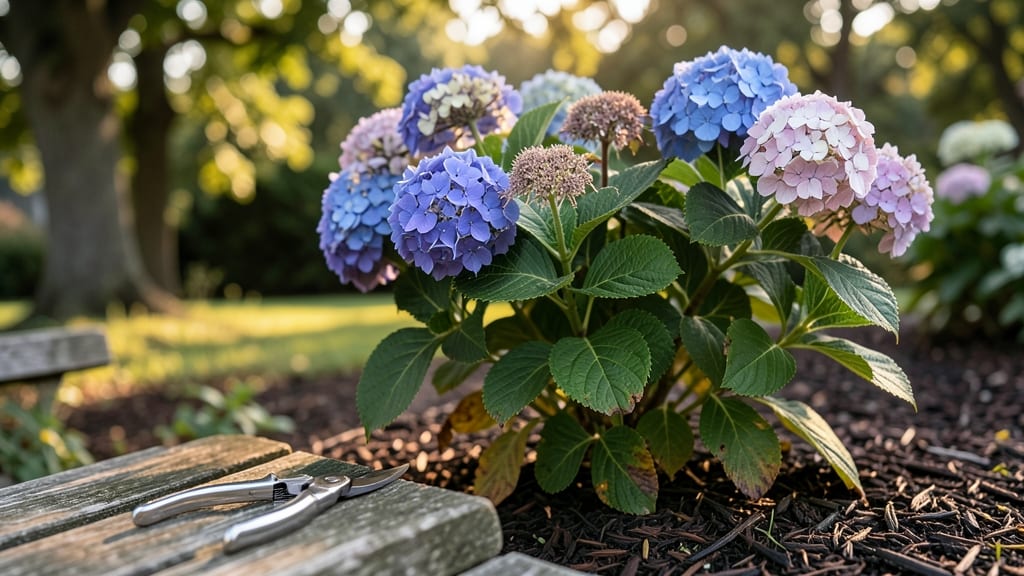
Deadheading hydrangeas isn’t just about cutting spent blooms—it’s the secret to keeping your plants lush and productive for years. 🌿 I’ve learned the hard way that timing and technique make all the difference, especially if you want those bold blooms back by next season without sacrificing next year’s flowers.
The right tools—a sharp pair of pruners, gloves, and a bucket for clippings—make the job easier, but the real magic happens in understanding your hydrangea type. Mophead and bigleaf varieties need a late-summer trim, while panicle types thrive when pruned in late winter.
One wrong cut can mean fewer blooms next year, so I’ll show you exactly how to do it without stress.
By the end, your hydrangeas will reward you with stronger stems, bigger blooms, and less floppy growth. The key is knowing when to stop—cutting too much too soon can leave your plant looking bare and struggling to recover. Trust me, your garden will thank you for the patience.
Whether you’re dealing with leggy growth or just want to keep your plants looking their best, these techniques work for any hydrangea—even in small spaces. Let’s get those blooms back on track!
📚 In This Guide
- What you need
- Instructions
- Tips and common mistakes
- Wrapping up and next steps
What you need
- ● Pruning shears or secateurs: Choose bypass pruners (sharp, clean blades) for clean cuts. Opt for 5-inch handles for better leverage. (1 pair recommended)
- ● Garden gloves: Heavy-duty, nitrile-coated gloves (size medium/large) to protect hands from thorns and sap. (1 pair)
- ● Disinfectant (70% isopropyl alcohol or bleach solution): 1:9 bleach-to-water ratio to sterilize tools between cuts and prevent disease spread.
- ● Trash bag or bucket: For collecting spent blooms and debris. 15-gallon capacity recommended for small-to-medium shrubs.
- ○ Hand pruners or small loppers: For thicker stems (optional but helpful for mature hydrangeas). (1 pair, if needed)
- ● Knee pads: For comfort if you’re working with large bushes or on hard ground.
- ● Labeled markers or plant tags: To track pruning dates or varieties if you have multiple hydrangeas.
- ● Compost bin or mulch: To recycle pruned material into nutrient-rich compost.
- ● Safety glasses: If working near your face or eyes during pruning.
Step-by-Step hydrangea deadheading techniques
Here's how I prune hydrangeas to keep them blooming beautifully year after year.
✂️ Step 1: Identify Your Hydrangea Type First
Not all hydrangeas bloom the same way, and cutting too early or too late can ruin your flowers. Bigleaf hydrangeas (Hydrangea macrophylla) produce blooms on old wood, meaning last year's growth creates this year's flowers. If you prune back these stems, you'll lose next season's blooms entirely. Look for large, showy flower clusters—these are your old-wood types.
Smooth hydrangeas (Hydrangea arborescens) and panicle hydrangeas (Hydrangea paniculata), on the other hand, bloom on new wood. These can be pruned more aggressively in late winter or early spring. Check the plant label or note the leaf shape: smooth hydrangeas have oval leaves, while panicle types have pointed, lance-shaped leaves.
✂️ Step 2: Deadhead Old-Wood Hydrangeas Properly
For bigleaf hydrangeas, deadheading isn't about cutting back stems—it's about removing spent blooms to encourage new growth on the same stems. Wait until flowers fade completely but before they form seed heads. Use clean, sharp pruners to snip the flower cluster just above the first set of leaves below it. This leaves the stem intact for next year's blooms.
I like to do this in stages throughout the summer. Remove about a third of the faded blooms every few weeks. This keeps the plant looking tidy while redirecting energy into new flower buds. Never cut back the main stems—this is the biggest mistake gardeners make with old-wood types.
✂️ Step 3: Prune New-Wood Hydrangeas for Shape and Size
For smooth and panicle hydrangeas, you can be more aggressive. After the first hard frost when the plant is dormant, cut back the previous year's stems by about one-third. This encourages bushier growth and larger flower clusters. For panicle hydrangeas, you can even cut stems back to the ground if they're leggy or overgrown.
During the growing season, you can also deadhead these types by cutting back the current year's stems to just above a set of leaves. This removes spent blooms and encourages more flowers to form lower on the plant. Watch for new flower buds forming at the leaf axils—these are your signals that new growth is happening.
✂️ Step 4: Clean Up and Maintain Year-Round
After deadheading, always clean up any fallen leaves or debris around the plant. This prevents pests and diseases from overwintering. I also like to apply a 2-inch layer of mulch around the base of the plant to protect the roots and retain moisture. Keep the mulch a few inches away from the stems to prevent rot.
Throughout the growing season, watch for any dead or diseased stems. Remove these immediately using sterilized pruners. Dip the pruners in rubbing alcohol between cuts to prevent spreading any potential infections. A little regular maintenance keeps your hydrangeas looking their best and blooming abundantly.
⏰ Step 5: Time Your Pruning for Best Results
The best time to prune depends on your hydrangea type. For old-wood types, deadhead spent blooms throughout the summer but never prune the main stems. For new-wood types, prune in late winter or early spring before new growth begins. If you miss this window, you can still prune in early summer, but you'll sacrifice some of the season's blooms.
I always prune on a dry, overcast day. This reduces stress on the plant and prevents sunburn on fresh cuts. After pruning, water deeply to help the plant recover. You'll see new growth within a few weeks—that's your signal everything is working.
Tips & tricks for perfect hydrangea deadheading
These simple tricks will help you avoid common mistakes and keep your hydrangeas blooming beautifully for years to come.
Plant Identification: Before you even touch your pruners, take 5 minutes to identify your hydrangea type. Bigleaf varieties need gentle care—never cut their main stems! I once accidentally pruned back a bigleaf hydrangea in winter and lost all its blooms the next season. Look for those showy flower clusters and oval leaves to confirm you're dealing with an old-wood type that needs delicate handling.
Timing is Everything: In Step 2, when deadheading old-wood hydrangeas, wait until flowers fade completely but before they form seed heads. This is your narrow window—usually late summer to early fall. I mark my calendar with reminders because missing this timing means missed blooms next year. For new-wood types in Step 3, prune after the first hard frost when the plant is dormant, but don't wait until spring or you'll sacrifice some flowers.
Tool Maintenance: Your pruners are just as important as your technique. Sterilize them between cuts by dipping in rubbing alcohol (mentioned in Step 4) to prevent spreading diseases. I keep a small bottle of rubbing alcohol in my gardening toolbox specifically for this purpose. Sharp, clean tools make precise cuts that heal faster and reduce stress on the plant.
Visual Cues: When pruning new-wood types in Step 3, look for those tiny flower buds forming at the leaf axils. These are your signals that new growth is happening. I learned this the hard way by pruning too late—now I always check for these buds before making any cuts. For old-wood types, watch for the first set of leaves below the flower cluster; this is where you should make your cut to preserve next year's blooms.
Pro Tips for Hydrangea Deadheading Techniques
- These simple tricks will help you avoid common mistakes and keep your hydrangeas blooming beautifully for years to come.
- Plant Identification: Before you even touch your pruners, take 5 minutes to identify your hydrangea type. Bigleaf var...
- Timing is Everything: In Step 2, when deadheading old-wood hydrangeas, wait until flowers fade completely but before ...
Frequently asked questions
Got questions about deadheading hydrangeas? You’re not alone! Here are some of the most common concerns—and clear, practical answers to keep your blooms thriving.
When is the best time to deadhead hydrangeas?
Timing depends on your hydrangea type! For bigleaf and oakleaf varieties, deadhead spent blooms in early summer to encourage new flowers. For panicle hydrangeas, wait until late fall or winter—they bloom on new wood. Smooth hydrangeas (like Annabelle) should be pruned in late winter to avoid removing next year’s buds.
Do I need special tools to deadhead hydrangeas?
Not necessarily! A sharp pair of pruning shears or even clean, sharp scissors will work. Avoid dull tools—they can crush stems and stress the plant. For larger branches, bypass pruners are ideal. If you’re squeamish about cutting, gloves can help, but they’re optional.
What if I deadhead at the wrong time?
Don’t panic! Mistakes happen. If you accidentally prune old wood bloomers (like bigleaf hydrangeas) in late winter, you might lose that season’s flowers—but the plant will still grow new stems. For new wood bloomers (panicle/smooth), late pruning just delays blooming. Just adjust your approach next year!
Can I use deadheaded flowers for anything?
Wilted hydrangea blooms make beautiful dried arrangements, potpourri, or even tea (steep dried flowers for a floral, caffeine-free brew). Remove leaves if they’re bitter, but the petals add a delicate flavor. Just avoid using flowers treated with pesticides—rinse them first if you’re unsure.
Why did my hydrangea stop blooming after deadheading?
Several factors could be at play: over-pruning (cutting too far into old wood), nutrient deficiency (feed with acid-loving plant fertilizer in spring), or stress (drought, poor soil, or pests). Check for yellow leaves (nitrogen deficiency) or brown tips (underwatering). If blooms still refuse to appear, try lightly pruning in early spring instead.
Wrapping up and next steps
Mastering hydrangea deadheading is your secret weapon for vibrant, long-lasting blooms—and it’s easier than you think! 🌸 By removing spent flowers and pruning strategically, you’ll encourage healthier growth and stunning seasonal displays. Whether you’re a seasoned gardener or just starting, these techniques make the process simple and rewarding.
Ready to transform your garden? Grab your pruners and start today! For extra confidence, watch a quick tutorial or sketch a pruning plan before diving in. Your hydrangeas—and your future blooms—will thank you!