
Planting
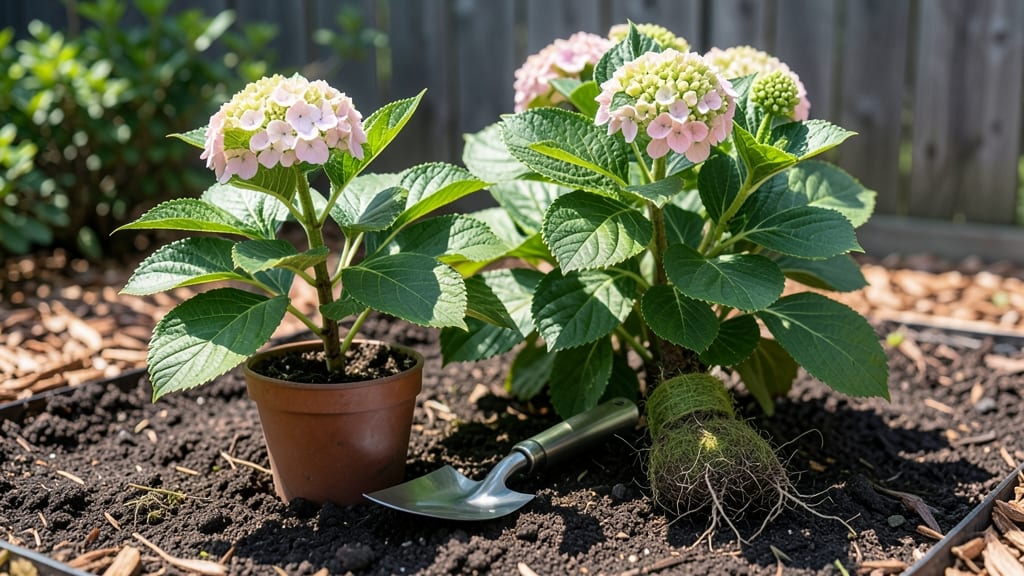
Planting hydrangeas now depends entirely on where you live and what your last frost date was — timing this right is the key to thriving blooms next season.
If you’re in Zone 6a or colder and your soil is still chilly, now might be too early, but if you’re in the South where frost is a distant memory, your hydrangeas could be in the ground by April.
The difference between success and struggle often comes down to soil temperature and local weather patterns.
Below, I’ll break down the best months for planting by climate zone, how to tell if your garden is ready, and what to do if you’ve missed the ideal window. Spoiler: even late plantings can work with the right prep.
You’ll also learn how to adjust for early or late starts, including soil prep tips and seasonal care tricks that keep your hydrangeas 🌸 healthy no matter when you plant.

Best months to plant hydrangeas by USDA climate Zone
Planting hydrangeas at the right time ensures strong root growth and vibrant blooms next season. Since these shrubs thrive in cool soil temperatures but hate late frosts, timing depends on your USDA climate zone.
In Zones 3-5, wait until after your last frost date—typically late April to May—while Zones 6-11 offer more flexibility, especially in warmer regions.
Southern states like Florida or Texas (Zones 8-11) can plant hydrangeas in early spring (February-March) or even late fall (October-November) for winter dormancy. Meanwhile, Northern states (Zones 3-5) must avoid planting too early, as soil temps below 40°F stunt root development.
Always check your local frost dates—a simple online search for "last frost date [your city]" will help!
Hydrangeas prefer well-draining, slightly acidic soil (pH 5.5-6.2). If your soil is clay-heavy or alkaline, amend it with peat moss or compost before planting. Container-grown hydrangeas can be planted year-round in mild climates (Zones 8-11), but bare-root plants need cooler soil temps (50-60°F) for best survival.
Here’s a quick reference for your zone—plant when soil temps are ideal and frost risk is low:
| USDA Zone | Best Planting Months | Soil Temp Goal | Frost Risk | Regional Notes |
|---|---|---|---|---|
| Zones 3-5 | Late April–May | 50–60°F | High (wait until after last frost) | Northern states: Minnesota, Maine, Upstate NY |
| Zones 6-7 | April–early June | 50–65°F | Moderate (check local frost dates) | Midwest, Pacific Northwest, Appalachia |
| Zones 8-9 | February–March or October–November | 55–70°F | Low (fall planting avoids summer heat) | Georgia, California coast, Southern Oregon |
| Zones 10-11 | Year-round (best in winter) | 60–75°F | None (tropical climates) | Florida, Hawaii, Southern Texas |
If you’re in Zone 6 or 7 and planting in June or July, opt for container-grown hydrangeas to reduce transplant shock. These plants have established roots and adapt better to summer heat.
Water deeply after planting and mulch with 2–3 inches of organic mulch to retain moisture and regulate soil temperature.
For Zones 8-11, fall planting (October-November) is ideal because cooler temps reduce stress. Hydrangeas planted in late summer may struggle with establishing roots before winter dormancy. In Zone 11, you can plant year-round, but avoid peak summer months (June-August) when soil can dry out too quickly.
Pro tip: Dig a hole twice as wide as the root ball but only as deep. This encourages roots to spread horizontally. Amend the backfill soil with compost or peat moss to improve drainage and acidity.
After planting, water thoroughly to eliminate air pockets and keep the soil moist for the first 4–6 weeks.
Hydrangeas planted at the right time reward you with lush foliage and dramatic blooms. In Zones 3-5, expect flowers the following summer, while warmer zones (6-11) may bloom the same year if planted early.
Always choose a location with morning sun and afternoon shade to prevent leaf scorch, especially in hot climates like Arizona or Nevada.
Need a quick check? Use the finger test: Push your finger into the soil. If it feels cool but not icy, it’s likely the right temperature for planting. Pair this with your local frost forecast, and you’ll nail the perfect timing for hydrangea success! 🌸
Signs your climate isn’t ready for hydrangea planting (and what to do)
Planting hydrangeas at the wrong time can stress your shrubs and delay those stunning blooms you love. Cold snaps, scorching heatwaves, or soggy soil are red flags that your climate isn’t ready. Before you dig, check these key indicators to avoid common mistakes that stunt growth.
First, soil temperature is your best friend. Hydrangeas need soil that’s warmed to at least 60°F (15°C). If your region still has late frosts after April 15, wait—those chilly nights can kill tender roots before they establish.
Even if daytime temps feel spring-like, nighttime dips below 50°F (10°C) signal danger.
⚠️ callout-warning ⚠️
⚠️ Danger Zone: When NOT to Plant Hydrangeas
- ❄️ Late frosts: Soil temps below 55°F (13°C) risk root damage
- ☀️ Heatwaves: Above 90°F (32°C) causes transplant shock
- 🌧️ Soggy soil: Waterlogged conditions rot roots before establishment
- ⏰ Wrong season: Avoid planting after July in most climates
💡 Pro Tip: Use a soil thermometer ($10) to check temps before planting.
Next, observe your local weather patterns. If your area experiences unpredictable swings—like a 70°F (21°C) day followed by a 40°F (4°C) night—hydrangeas will struggle. These shrubs thrive in consistent warmth, so aim for at least 2 weeks of stable temps above 65°F (18°C) before planting.
Don’t overlook soil conditions either. Heavy clay or waterlogged ground can suffocate roots. Test your soil’s drainage by digging a 6-inch hole and filling it with water. If it doesn’t drain within 4 hours, amend with compost or perlite to improve aeration.
Hydrangeas hate "wet feet" but also need moisture-retentive soil—find that sweet spot!
If your climate is too hot or too late in the season, consider container planting for flexibility. Containers let you move hydrangeas to shadier spots or even indoors during heatwaves. Just use a 15-gallon pot with drainage holes and well-draining potting mix to mimic ideal conditions.
Finally, check your USDA Zone. Zones 3-5 should wait until after May 1, while Zones 7-10 can plant as late as June 15—but only if soil temps are right.
For example, Southern California (Zone 10) can plant year-round, but New England (Zone 5) must wait until late May.
When in doubt, plant in containers or delay until next spring. Your hydrangeas will thank you with bigger blooms and healthier growth—and fewer trips to the nursery for replacements! 🌸