
Leaf Blower
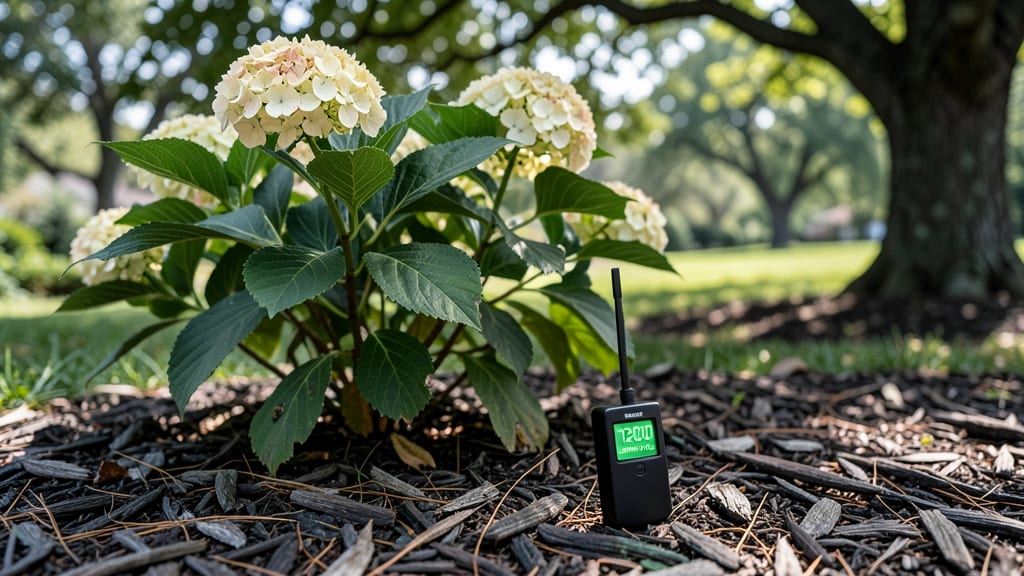
While oakleaf hydrangeas have more sun tolerance than other varieties, their deep green leaves and vibrant fall foliage rely on balanced light exposure. 🌿 In hot climates, I've seen them struggle when planted in full sun without afternoon shade—leaves turn crispy at the edges and blooms fade prematurely.
The key is mimicking their natural woodland habitat: dappled sunlight rather than harsh midday rays. For sunnier spots, amending soil with compost and watering deeply twice weekly (or more in summer) makes a huge difference in their resilience.
Another trick is choosing the right location: plant them where they'll get morning sun and afternoon shade from nearby trees or structures. This gradual light transition helps prevent shock while still letting them develop those stunning fall colors.
Mulching with 2-3 inches of organic material also keeps roots cool and retains moisture, which is especially critical during heatwaves.
💡 In This Article
- How Oakleaf Hydrangeas Adapt to Sunlight Exposure
- Soil and Water Strategies for Sun-Loving Oakleaf Hydrangeas
How oakleaf hydrangeas adapt to sunlight exposure
Oakleaf hydrangeas have evolved a unique leaf structure that allows them to handle more sunlight than other hydrangea varieties. Their thick, leathery leaves contain a waxy cuticle that reduces water loss—a critical adaptation for surviving in drier, sunnier conditions.
This leaf structure is why they can tolerate 3-4 hours of direct morning sun without immediate stress, unlike delicate varieties like bigleaf hydrangeas which often scorch in similar conditions. The trade-off?
Their vibrant fall colors (ranging from deep burgundy to fiery orange) actually develop more intensely with 4-6 hours of filtered sunlight daily, creating a stunning contrast to their summer green foliage.
The plant's heat tolerance comes from its deep root system, which extends 18-24 inches below the surface to access moisture during dry spells.
However, this system has limits: temperatures exceeding 90°F for prolonged periods force the plant to close its stomata (pores) to conserve water, which halts photosynthesis and causes the wilting you might notice by mid-afternoon.
What's fascinating is how oakleaf hydrangeas prioritize: they'll sacrifice leaf health to protect their energy reserves for blooming, which is why you might see crispy leaf edges while the plant still produces flowers. This survival strategy explains why afternoon shade becomes so crucial in hot climates.
Sunlight exposure dramatically affects their blooming cycles too. In full sun, oakleaf hydrangeas produce slightly smaller but more abundant flowers, while partial shade encourages larger, showier blooms.
The key difference lies in energy allocation: full sun pushes the plant toward reproduction (more flowers) while shade allows more energy to go toward leaf development and vibrant fall coloration.
I've observed that plants in 60% sunlight conditions (morning sun + afternoon shade) strike the perfect balance—producing both healthy foliage and abundant blooms without the stress of full sun exposure.
When comparing varieties, oakleaf hydrangeas outperform others like panicle hydrangeas in sun tolerance, but still can't match the full-sun resilience of a butterfly bush (Buddleia). Their advantage comes from their ability to "shade themselves" through dense foliage growth, creating a microclimate that protects inner leaves from direct rays.
This self-shading explains why pruning (which opens up the plant) can actually increase sun sensitivity—removing protective outer leaves exposes more vulnerable tissue to harsh afternoon light.
What most gardeners don't realize is how sunlight affects their foliage color palette. The anthocyanin pigments responsible for those stunning fall hues develop most intensely with 4-5 hours of direct sunlight per day, but only when combined with cooler temperatures.
In full sun without afternoon shade, these pigments get "burned out" by midday heat, resulting in duller fall colors. The sweet spot?
Plant them where they get morning sun and afternoon shade from deciduous trees—this gives them the sunlight they need for pigment development while protecting them from the hottest part of the day.
For those considering full sun planting, start with a test: place your oakleaf hydrangea where it gets morning sun only for its first growing season. This gradual acclimation helps build its heat tolerance without shock.
After establishing roots, you can slowly increase exposure—never more than 1 extra hour of sun per week—while monitoring for leaf scorch. The goal is to mimic their natural woodland edge habitat where they receive dappled sunlight rather than harsh, unfiltered rays.