
Pruning
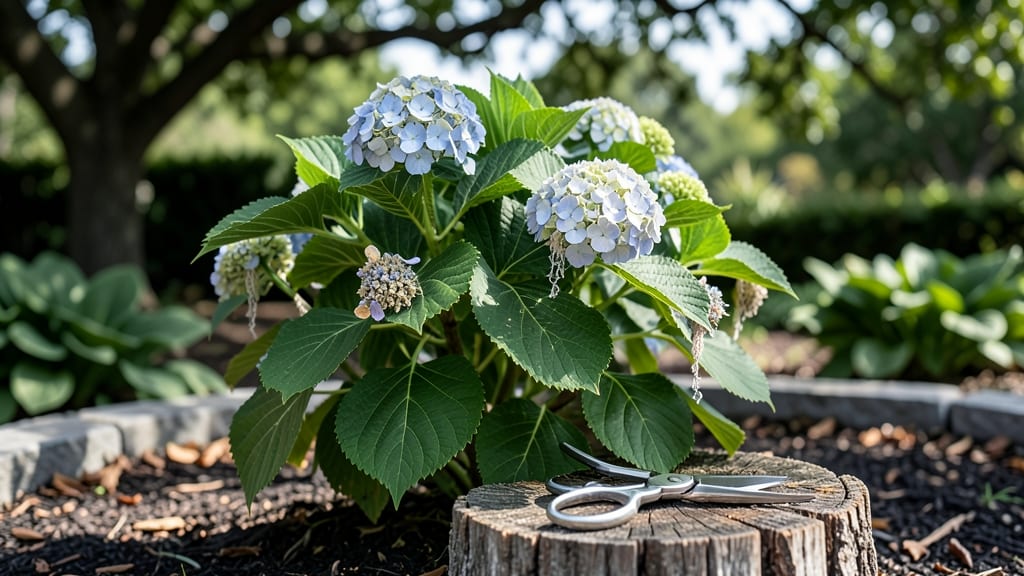
Cutting back hydrangeas in fall isn’t just about tidying up—it’s the secret to next year’s biggest, most vibrant blooms. ✂️ After the first frost, when leaves turn brown and stems go dormant, you’ll shape the plant to encourage stronger growth and prevent winter damage.
The timing matters: prune too early, and you risk exposing tender new buds; too late, and you stress the plant before dormancy. This isn’t guesswork—it’s about knowing your hydrangea type.
Mophead varieties need a light trim, removing only dead or damaged stems, while panicle types can handle a harder cut back to the first set of buds. I’ve learned the hard way: skipping this step means leggy plants and fewer blooms by summer.
But when done right, you’ll see thicker stems and more flowers by June. Start with clean, sharp pruners to avoid tearing stems. Cut just above a bud or leaf node, and step back often to check your shape—hydrangeas reward precision.
The goal is to open up the center for airflow and sunlight, which keeps the plant healthy and blooms abundant. Works for zones 3–9, but adjust for early/late frosts: in warmer climates, wait until mid-November; in colder areas, prune by early November.
The key is always after the first hard freeze—when the plant is dormant but not yet frozen solid.
📚 In This Guide
- What you need
- Instructions
- Tips and common mistakes
- Wrapping up and next steps
What you need
- ● Bypass Pruners: 1 pair (sharp, high-quality, with a 4–6-inch blade for clean cuts). Look for ergonomic handles to reduce hand fatigue.
- ● Loppers: 1 pair (for thicker stems, 8–12-inch blades with bypass or anvil design—bypass is gentler on stems).
- ● Hand Saw or Pruning Saw: 1 (for stubborn, woody stems; 10–14-inch curved blade for precision).
- ● Gloves: 1 pair (heavy-duty, gardening gloves with cut-resistant palms to protect from thorns and sharp stems).
- ● Disinfectant (70% Isopropyl Alcohol or Pruning Sealant): Small bottle (to sterilize tools between cuts and prevent disease spread).
- ● Garden Twine or Zip Ties: 5–10 pieces (for supporting heavy stems if needed).
- ● Rake or Leaf Blower: 1 (to clear debris after pruning).
- ● Pruning Shears (for Small Stems): 1 pair (for delicate trimming of panicle hydrangeas or new growth).
- ● Ladder or Step Stool: 1 (if hydrangeas are 6+ feet tall—non-slip, sturdy model recommended).
- ● Compost Bin or Bag: 1 (to collect pruned stems for nutrient recycling).
- ● Plant Marker or Labels: 5–10 (to label varieties if you have multiple hydrangea types).
- ● Safety Glasses: 1 pair (to shield eyes from debris, especially when using a saw).
- ● Know your hydrangea type (bigleaf, oakleaf, panicle, or smooth) to prune correctly—each has unique needs! 💡
- ● Check the weather forecast for a dry, 50–65°F (10–18°C) day to minimize stress on the plant.
- ● Have a clear workspace around the hydrangea to move freely and avoid damaging nearby plants.
Instructions: how to cut back hydrangeas for stronger spring growth
Fall pruning sets the stage for next year’s blooms—here’s how to do it right.
✂️ Step 1: Identify Your Hydrangea Type
Hydrangeas bloom in two ways: on old wood (last year’s growth) or new wood (current season’s stems). Old-wood types like bigleaf hydrangeas need minimal pruning, while new-wood varieties such as panicle or smooth hydrangeas can be cut back more aggressively. Check your plant’s flowers—if they appeared on last year’s stems, hold off on heavy pruning.
I always verify by looking for buds forming at the base of stems in late fall. If you see them, avoid cutting those branches. For new-wood types, you’ll notice fresh, green growth at the tips—those can be trimmed back to 1-2 feet from the ground to encourage bushier growth next year.
🌿 Step 2: Prune at the Right Time
Wait until after the first hard frost but before the ground freezes—typically mid-to-late November in most climates. Pruning too early can stimulate new growth that won’t harden off before winter. If your area has unpredictable weather, aim for 2-3 weeks after the first frost when the plant is dormant but still visible.
Here’s the thing—if you’re unsure, prune after the ground thaws in early spring instead. Old-wood hydrangeas can wait until late winter when buds are visible but before they swell. Just mark the branches you plan to trim with twine or flags so you don’t accidentally cut them off later.
✂️ Step 3: Cut Back with Clean, Sharp Tools
Use bypass pruners for small stems and loppers for thicker branches. Sterilize your tools with rubbing alcohol to prevent spreading disease between plants. Cut just above a node (the bump where leaves or buds attach) at a 45-degree angle to encourage water runoff and prevent rot.
For old-wood types, remove only dead, diseased, or crossing branches. Never cut back more than 10-15% of the plant—this keeps next year’s blooms healthy. If you’re pruning a new-wood type, cut back one-third of the oldest stems each year to maintain shape and encourage new growth from the base.
🪴 Step 4: Clean Up and Protect the Plant
Rake up and dispose of all pruned branches—never leave them on the ground, as they can harbor pests or disease. If your hydrangeas are in a windy or exposed area, consider wrapping the canopy with burlap or frost cloth to protect tender new growth from winter damage.
After pruning, give the base a 2-inch layer of mulch (like shredded bark) to insulate the roots. Keep the mulch 6 inches away from the stem to prevent rot. Water deeply before the ground freezes to help the plant establish roots for spring growth.
⏰ Step 5: Monitor for Spring Readiness
In early spring, check for new buds forming at the base—this means your pruning worked. If you see no buds by late March, your hydrangea may need fertilizer (like a balanced 10-10-10) to stimulate growth. Avoid fertilizing in fall, as it encourages tender new growth that won’t survive winter.
Here’s where it gets fun—watch for first leaves to unfurl in April or May, signaling the plant is waking up. If you pruned correctly, you’ll see stronger stems and more blooms than last year. If not, don’t worry—hydrangeas are forgiving, and even a slight misstep won’t kill the plant.
Tips & tricks for perfect fall hydrangea pruning
These simple tricks will help you avoid common mistakes and give your hydrangeas the best chance to thrive next spring.
Identify Before You Prune: Take a close look at your hydrangea's flowers first—if they grew on last year's stems (old wood), like bigleaf varieties, you'll only want to trim dead or crossing branches. I learned this the hard way by accidentally cutting off next year's blooms! For new-wood types like panicle hydrangeas, you can be more aggressive with pruning since they'll bloom on fresh growth.
Timing is Everything: The window between the first hard frost and ground freeze is critical—typically mid-to-late November in most climates. If you're unsure about your frost dates, mark the branches you plan to trim with twine or flags so you can find them again in early spring. This visual cue prevents accidental pruning of next year's blooms when you're ready to cut back.
Tool Technique Matters: Sterilize your pruners and loppers with rubbing alcohol between cuts to prevent spreading disease. When making your cuts, aim for just above a node at a 45-degree angle—this helps water runoff and prevents rot. I always double-check my angle by holding the tool at a slight diagonal before making the cut, which makes all the difference in plant health.
Cleanup Prevents Problems: Never leave pruned branches on the ground—they can harbor pests and diseases that will affect your hydrangeas next season. After pruning, give your plant's base a 2-inch layer of mulch (keeping it 6 inches away from the stem) to insulate roots. This simple step protects against winter temperature swings and helps establish strong root systems for spring growth.
Pro Tips for Cut Back Hydrangea In Fall
- These simple tricks will help you avoid common mistakes and give your hydrangeas the best chance to thrive next spring.
- Identify Before You Prune: Take a close look at your hydrangea's flowers first—if they grew on last year's stems (old wood), like bigleaf varieties, you'll only want to trim dead or crossing branches.
- Timing is Everything: The window between the first hard frost and ground freeze is critical—typically mid-to-late November in most climates.
Frequently asked questions
Got questions about pruning hydrangeas in fall? You’re not alone—this task can feel tricky! Below, we’ve rounded up the most common concerns to help you prune with confidence and keep your hydrangeas thriving.
When is the exact best time to cut back hydrangeas in fall?
The ideal window is late fall, after the first hard frost (typically October–November in most zones). This gives the plant time to harden off but avoids exposing fresh cuts to winter’s harshest conditions. If you miss fall, wait until early spring before buds swell—just avoid pruning late spring or summer, as this can stunt blooms.
Do I need to cut back hydrangeas every fall, or just some types?
It depends on the variety! Bigleaf (mophead/lacecap) and oakleaf hydrangeas benefit from annual pruning to encourage new growth. Panicle hydrangeas (like ‘Limelight’) can be pruned lightly in fall but often bloom on both old and new wood, so timing is flexible. Avoid pruning smooth hydrangeas (H. arborescens) in fall—they bloom on old wood and should wait until spring.
What if I cut back too much? Can I fix an over-pruned hydrangea?
Don’t panic! If you’ve trimmed back more than ⅓ of the plant, your hydrangea may struggle, but it can recover. Focus on healthy stems next year—avoid heavy pruning for 12 months. Water deeply, mulch well, and fertilize lightly in spring. Panicle types are the most forgiving; others may need patience.
Can I prune hydrangeas in fall if I live in a cold climate (Zone 4–6)?
Yes, but with extra care! In Zone 4–6, wait until after the ground freezes (usually December) to prune. Wrap cuts with pruning sealant or use a sterilized, sharp saw to prevent disease. Mulch heavily to protect roots, and avoid pruning wet wood—it’s more prone to rot in cold, damp conditions.
What’s the easiest way to tell if my hydrangea bloomed on old vs. new wood?
Check the stem color and texture:
- Old wood (last year’s growth): Darker, woody stems with buds at the ends (common in mophead, lacecap, and smooth hydrangeas).
- New wood (current year’s growth): Lighter green/brown stems with buds along the sides (typical of panicle types like ‘Little Lime’).
Wrapping up and next steps
Cutting back your hydrangeas in fall is a simple yet powerful way to ensure vibrant blooms next season! By following the right techniques—like identifying your plant type and timing your cuts—you’ll set the stage for healthier growth and stunning flowers.
Don’t let hesitation hold you back; your hydrangeas will thank you with lush, full foliage and show-stopping blooms!
Ready to take action? Grab your pruners, review your notes, and schedule that pruning session before winter sets in. Your future self (and your garden!) will be thrilled you did.