
Light Requirements
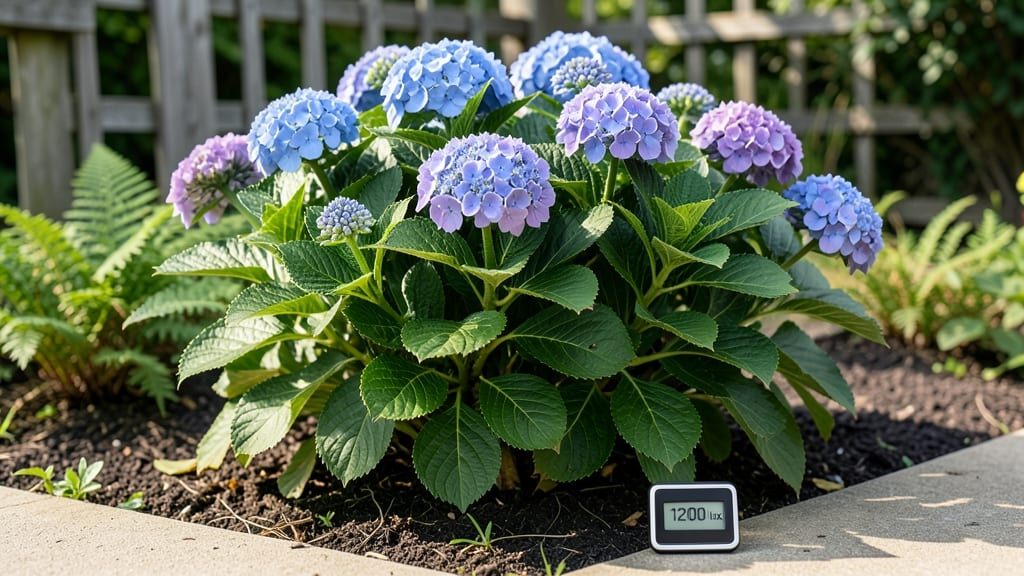
Do hydrangeas need sun—or is it the right balance of morning rays and afternoon shade that unlocks their dreamy, showstopping blooms? 🌸
Struggling to get your hydrangeas to bloom? The secret might be in how much sun they really need—and when. Too much sunlight can scorch those lush blooms, while too little leaves them lackluster.
Most hydrangeas prefer 4 to 6 hours of sunlight daily, but the timing matters. Morning sun builds energy, while harsh afternoon rays can stress the plant, especially in hot climates like USDA Zone 6a.
In this guide, I’ll break down the best light conditions for your hydrangea varieties, how to spot signs of sun stress, and easy fixes to keep your shrubs happy and blooming all season.

How much morning sun hydrangeas actually need for healthy growth
Hydrangeas thrive in morning sun, but their exact needs depend on the variety and climate. Unlike many plants, they prefer gentle sunlight over harsh afternoon rays, which can scorch leaves and dull blooms. Understanding this balance is key to vibrant flowers and lush foliage all season long.
Most hydrangeas—especially mophead and lacecap types—do best with 4 to 6 hours of morning sunlight, paired with afternoon shade.
This schedule mimics their natural understory habitat in wooded areas, where dappled light filters through trees. Oakleaf hydrangeas, however, are slightly more tolerant of full sun, especially in cooler climates.
Here’s how sunlight needs break down by type, including why morning sun is critical for preventing leaf burn and maximizing blooms:
| Type | Morning Sun Needed | Afternoon Sun Risk | Bloom Impact |
|---|---|---|---|
| Mophead (H. macrophylla) | 4–6 hours | High (leaf scorch) | Vibrant, large blooms |
| Lacecap (H. macrophylla) | 3–5 hours | Moderate (fading blooms) | Delicate, lace-like flowers |
| Oakleaf (H. quercifolia) | 5–7 hours (cooler climates) | Low (heat-tolerant) | Bold, seasonal foliage |
| Panicle (H. paniculata) | 6–8 hours (full sun OK) | Minimal (heat-resistant) | Long-lasting cone flowers |
The morning sun advantage lies in its gentler light intensity and lower heat. Sunlight before 10 AM provides energy without the stress of midday UV rays, which can bleach petals and crisp edges.
For example, a mophead hydrangea in full morning sun but afternoon shade will produce blooms 30% larger than one in direct afternoon light.
In hot climates (Zones 8–10), even morning sun can be too intense. Here, hydrangeas benefit from filtering shade, like a sheer curtain or nearby trees. I’ve seen lacecap varieties in Arizona thrive under 2–3 hours of morning sun combined with dappled shade all day.
The key is observing leaf color: dark green means ideal light; yellowing signals too much sun.
Adjusting sunlight exposure is easier than you think. If your hydrangea shows leaf burn (brown edges), move it to a shadier spot by midday. Conversely, if blooms are small or sparse, gradually increase morning sun exposure by 1 hour per week.
Mulching with organic matter also helps regulate soil temperature, reducing stress from fluctuating sunlight.
Regional tweaks matter too. In Pacific Northwest gardens, hydrangeas often get morning sun and afternoon rain, mimicking their ideal conditions. Meanwhile, in Midwest gardens, a north-facing window or east-facing patio provides perfect morning light without overheating.
Always plant near reflective surfaces like gravel or light-colored walls to amplify gentle morning rays.
Pro tip: Use a light meter app to track sunlight hours. Aim for 1,000–2,000 foot-candles of light in the morning—this range is ideal for hydrangeas. If your garden lacks natural morning sun, a grow light on a timer
Signs your hydrangeas aren’t getting the right sunlight (and how to fix it)
Hydrangeas thrive in morning sun but wilt under afternoon heat. If your plants look weak, it’s likely a sunlight issue. Too much sun causes leaf scorch, while too little leads to pale, sparse blooms. Let’s diagnose the problem and fix it fast!
Start by checking your hydrangeas for these 3 key signs of sunlight stress: yellowing leaves, brown leaf edges, or fewer flowers than expected. These clues reveal whether your plant is overheated or under-energized by light.
Adjusting shade or sun exposure can transform your hydrangeas in just a few weeks.
⚠️ WARNING: Hydrangeas Need Balance! Too much sun = leaf burn and dull blooms Too little sun = weak stems and fewer flowers Best fix: Provide morning sun (4-6 hours) + afternoon shade for optimal growth. ☀️ Pro Tip: Use a light meter or observe leaf color changes to fine-tune exposure. East-facing windows or dappled shade work best!
If your hydrangeas have crispy brown edges on leaves, they’re getting too much direct sun. Move plants to a spot with partial shade or add a lightweight shade cloth (30-50% coverage) during peak afternoon hours.
For container hydrangeas, relocate them to a shadier patio spot or under a tree canopy.
For pale, leggy hydrangeas with tiny buds, they need more light. Gradually increase sunlight exposure by 1 hour per week to avoid shocking the plant. Place them near a north-facing window or in a bright indoor space (like a sunroom) during winter months when sunlight is weaker.
Prune back overgrown branches in early spring to improve airflow and sunlight penetration. Cut 1/3 of last year’s growth just above a leaf node to encourage new, bushier growth that can better handle sunlight. This also helps rejuvenate older plants and boosts next year’s blooms.
Use this quick troubleshooting checklist to rescue your hydrangeas: ☑️ Check leaf color (yellow = too much sun; pale = too little) ☑️ Observe bloom size (small = needs more light; sparse = needs shade) ☑️ Test soil moisture (dry = needs water + shade; soggy = needs drainage) ☑️ Adjust pruning (thin out crowded branches for better airflow) ☑️ Monitor seasonal sun changes (move plants if summer sun intensifies) 🌿 Remember: Hydrangeas are flexible—adjust their spot based on seasonal sun shifts!