
Shrubs
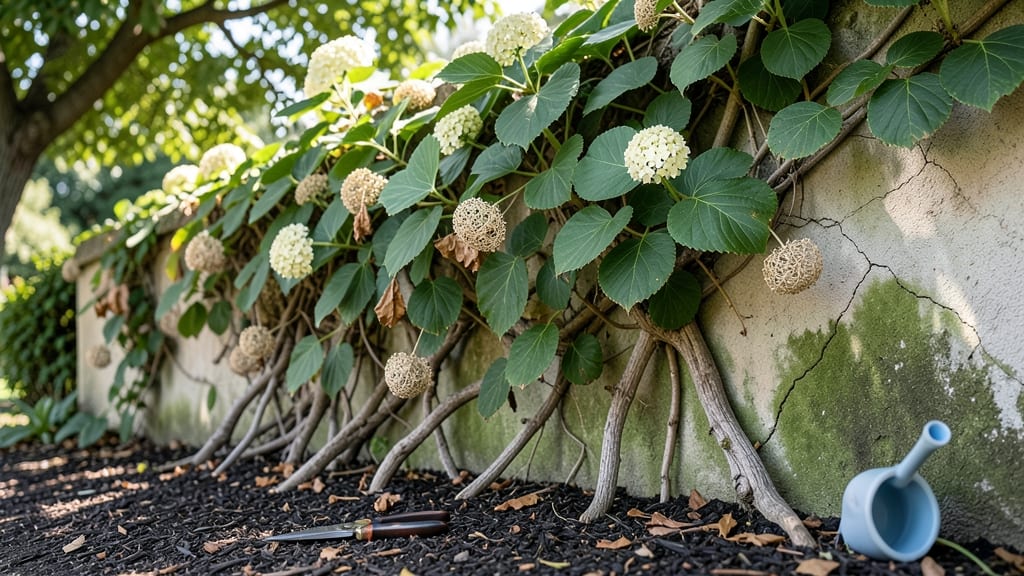
Climbing hydrangeas that stay green all winter might sound too good to be true—but evergreen climbing hydrangeas are the real deal, turning fences and trellises into lush vertical gardens with almost no effort. 🌿 I’ve watched mine transform bare walls into emerald canopies, and the secret isn’t complicated: these plants thrive with patience and just the right conditions.
The key starts with soil—rich, well-draining, and slightly acidic (think mulched garden beds or raised planters). They’ll tolerate morning sun but demand afternoon shade in hot climates, and their roots need to grip rough surfaces like brick or lattice for support.
Unlike mophead hydrangeas, these climbers don’t need annual pruning—just a light trim in late winter to shape growth.
By summer, you’ll have a 10-15-foot living tapestry of glossy leaves and occasional lacecap blooms, all while other plants fade. The best part? They stay vibrant through frost, offering year-round structure and texture—no deadheading, no fuss. Even my black thumb keeps these thriving with basic care.
Perfect for small spaces, privacy screens, or adding drama to patios. Here’s how to get started without the overwhelm—because this plant does most of the work for you.
📚 In This Guide
- What you need
- Instructions
- Tips and common mistakes
- Wrapping up and next steps
What you need
- ● Evergreen climbing hydrangea plants (1–3, depending on desired coverage)
- ● Support structure (trellis, arbor, or fence—at least 6–10 feet tall)
- ● Well-draining potting mix (5–10 gallons, depending on pot size)
- ● Organic mulch (2–3 inches of wood chips or shredded bark)
- ● Slow-release fertilizer (balanced 10-10-10 or hydrangea-specific)
- ● Garden gloves (to protect your hands)
- ● Pruning shears (sharp, clean, and sterilized)
- ● Garden trowel (for planting)
- ● Watering can or hose with a gentle spray nozzle
- ● Plant ties or soft twine (to secure vines to the trellis)
- ● Epsom salt (1 tablespoon per gallon of water, for blooms)
- ● Moss or ivy (for extra greenery and texture)
- ● Decorative lights (to highlight your hydrangea at night!)
How to plant and care for evergreen climbing hydrangea
This hardy vine thrives with minimal fuss—just a few smart steps for lush, year-round greenery.
🌱 Step 1: Choose the Perfect Planting Spot
Pick a location with partial shade—at least 4-6 hours of morning sun and afternoon shade to prevent leaf scorch. Evergreen climbing hydrangeas hate hot, dry afternoons, so a north- or east-facing wall works best. I always test the spot first by watching how sunlight shifts throughout the day.
Ensure the area has strong support—these vines can grow 15-20 feet if given room. Install a sturdy trellis, arbor, or fence before planting. The roots need well-draining soil too, so avoid low spots where water pools. Amend heavy clay with 2-3 inches of compost to improve drainage.
🪴 Step 2: Plant at the Right Depth and Spacing
Dig a hole twice as wide as the root ball but only as deep—the top of the root ball should sit 1 inch above ground level. Evergreen hydrangeas hate having their crown buried too deep, which causes rot. Gently loosen the roots if they’re circling tightly in the container.
Space 4-6 feet apart for multiple plants, since their canopies spread as they mature. Backfill with native soil mixed with 1 part compost to encourage root expansion. Water deeply right after planting to settle the soil and eliminate air pockets. You’ll know it’s right when water drains through the hole within 10-15 minutes.
☀️ Step 3: Water and Mulch for Year-Round Health
Water deeply once a week during the first growing season to establish roots—1-2 gallons per plant until the soil is 6 inches deep and moist. After that, hydrangeas tolerate drought better but still need 1 inch of water weekly during dry spells. Check by sticking your finger 2 inches into the soil; if it’s dry, water again.
Apply 2-3 inches of mulch (like shredded bark or pine needles) around the base, keeping it 3 inches away from the stem. This protects roots in winter and retains moisture in summer. I always refresh the mulch in early spring—it breaks down faster than you’d think.
✂️ Step 4: Prune Strategically for Vertical Growth
Prune only in late winter or early spring before new growth starts. Remove dead or crossing branches first—these compete for energy and weaken the vine. Cut just above a leaf node (the bump where leaves grow) to encourage new shoots.
For shaping, trim back overly long vines by one-third to maintain balance. Never prune more than 25% of the plant at once—this stresses evergreens. I like to prune after flowering if needed, but avoid heavy cuts in fall, as new growth won’t harden off before winter.
🌿 Step 5: Fertilize Lightly for Lush Foliage
Feed once in early spring with a balanced, slow-release fertilizer (10-10-10) at half the recommended strength. Over-fertilizing leads to weak growth and fewer flowers. Scatter granules 6 inches from the stem and water deeply to activate them.
Skip fall fertilization—hydrangeas need to prepare for dormancy. If leaves yellow in summer, it’s usually overwatering or too much fertilizer. Adjust by letting the soil dry slightly between waterings and reducing feed amounts next time.
Tips & tricks for perfect evergreen climbing hydrangea
These simple strategies will help your climbing hydrangea thrive with minimal effort and maximum impact.
Sunlight Strategy: When testing your spot for those 4-6 hours of morning sun, pay special attention to how shadows shift in late afternoon. I've learned the hard way—what looks like shade at noon can turn into harsh afternoon sun that burns tender leaves. If you're unsure, observe the area for a full day before planting. A simple white piece of cardboard left in the spot will show you exactly where sunlight hits.
Planting Depth Secret: The 1-inch above ground level rule for the root ball is critical—any deeper and you risk crown rot. I always make a small mark on the container at planting time to double-check. For container-grown plants, gently squeeze the root ball to see if it feels firm or mushy; mushy roots need extra care to establish properly in that 10-15 minute drainage test.
Watering Wisdom: Those 1-2 gallons per plant during the first year might seem like a lot, but think of it as an investment in strong roots. I use a rain gauge to measure my weekly 1 inch of water—it's amazing how much more precise that makes my watering. For container plants, check soil moisture more frequently since they dry out faster than in-ground vines.
Pruning Precision: When cutting back one-third of overly long vines, always make your cuts just above a leaf node. I like to use clean pruners and make a slight upward angle to prevent water from pooling. For large vines, I make two cuts—first a shallow one, then a deeper one just above the node—to avoid tearing the bark. This technique keeps your plant healthy and encourages bushier growth.
Pro Tips for Evergreen Climbing Hydrangea
- These simple strategies will help your climbing hydrangea thrive with minimal effort and maximum impact.
- Sunlight Strategy: When testing your spot for those 4-6 hours of morning sun, pay special attention to how shadows sh...
- Planting Depth Secret: The 1-inch above ground level rule for the root ball is critical—any deeper and you risk crown...
Frequently asked questions
Got questions about growing and maintaining your evergreen climbing hydrangea? You’re not alone! Here are some of the most common concerns—and their solutions—to help you keep your vertical garden thriving with ease.
How fast does an evergreen climbing hydrangea grow, and how tall can it get?
These vines are moderate growers, typically adding 12–24 inches per year. With proper support (like a trellis or arbor), they can reach 20–30 feet over time—though many gardeners prune them to manageable heights (8–15 feet) for easier maintenance. Patience is key, but their slow-and-steady growth makes them low-maintenance stars!
When is the best time to plant or transplant an evergreen climbing hydrangea?
Plant in early spring or fall when temperatures are mild (50–70°F). Avoid extreme heat or frost, as these vines establish roots best in cooler, moist conditions. If transplanting an established plant, water deeply for 2–3 weeks before and after to reduce shock. Mulch around the base to retain moisture and protect roots.
Do I really need to prune it, or can I skip it entirely?
While evergreen climbing hydrangeas are low-maintenance, light pruning in late winter or early spring encourages bushier growth and removes dead/damaged stems. Focus on shaping (not heavy cutting) to avoid stressing the plant. If you skip pruning, expect longer, leggier vines—but they’ll still thrive! Just trim back 10–20% of the oldest growth annually for balance.
How much sun does it need, and what if my yard gets too much shade?
These hydrangeas thrive in partial shade (4–6 hours of sun daily), especially in hot climates. Too much direct sun can scorch leaves, while deep shade may reduce flowering. If your yard is shady, choose a north-facing wall or large tree for indirect light. For sunnier spots, provide afternoon shade or use a light-colored trellis to reflect heat.
What pests or diseases should I watch for, and how do I treat them?
Common issues include aphids, spider mites, or powdery mildew in humid conditions. Treat pests with neem oil or insecticidal soap, and ensure good airflow to prevent mildew. Overwatering can cause root rot, so water at the base (not leaves) and avoid soggy soil. Healthy plants are resistant—focus on well-draining soil and proper spacing to minimize problems!
Wrapping up and next steps
The evergreen climbing hydrangea is a dream come true for gardeners seeking lush, year-round vertical beauty with minimal fuss! 🌿 Its hardy nature, fast growth, and stunning blooms make it a standout choice for trellises, fences, or arbors—all while requiring surprisingly little pruning.
With the right care, this versatile shrub will reward you with vibrant foliage and cascading flowers for seasons to come.
Ready to transform your space? Start small—choose a sunny spot, gather your tools, and give your climbing hydrangea the love it deserves! Whether you’re a seasoned gardener or just beginning, this resilient plant will bring joy (and greenery!) to your outdoor oasis.