
Succulent
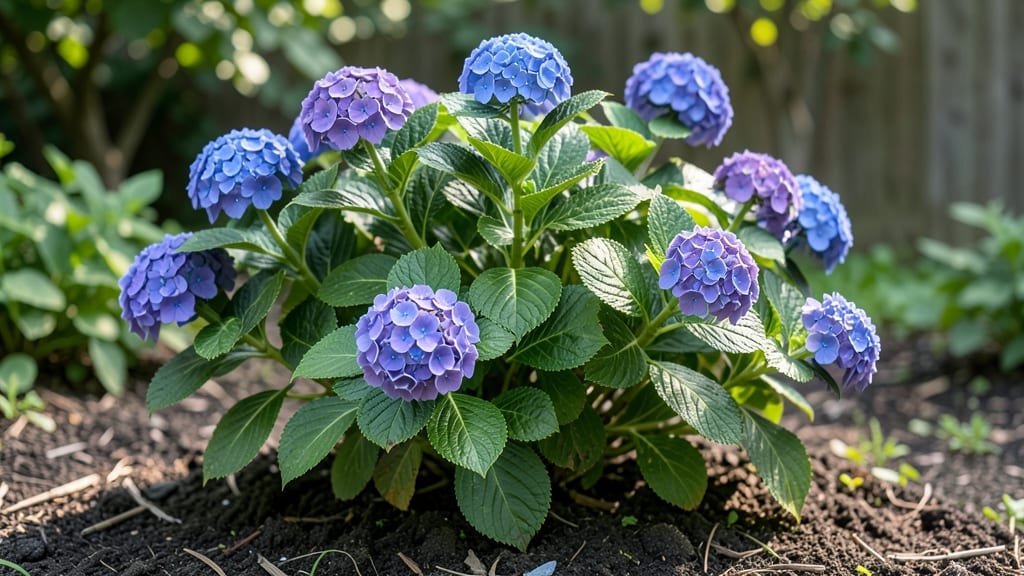
Turn your pink hydrangeas shockingly blue this season—it’s all about the soil’s hidden chemistry. 💙 I’ve transformed my garden’s blooms from pale pink to deep blue using a simple science trick that takes just a few weeks to show results.
The secret? Lowering your soil’s pH with aluminum sulfate, but timing and technique make all the difference.
First, test your soil’s pH with an affordable kit—aim for 5.2 to 5.5 for those signature blue blooms. If your soil is too alkaline, a 1-pound application of aluminum sulfate per 100 square feet in early spring does the trick.
Water it in well, and repeat in late summer for consistent color. Overdoing it can stress your plants, so start small and monitor.
You’ll see the magic unfold in 4-6 weeks as new blooms emerge in vibrant blue hues. For best results, mulch around your hydrangeas to maintain moisture and acidity. And if your blooms stay stubbornly pink? Check your water—rainwater is naturally acidic, while tap water can throw off the balance.
This method works for bigleaf hydrangeas (Hydrangea macrophylla) but won’t affect other varieties like oakleaf or panicle types. Perfect for gardeners who love a dramatic seasonal change without fancy fertilizers. Let’s get those blooms turning blue!
📚 In This Guide
- What you need
- Instructions
- Tips and common mistakes
- Wrapping up and next steps
What you need
- ● Hydrangeas: Mature plants with Macrophylla or Serotina varieties (best for blue shifts). Aim for 3–5 healthy plants for noticeable results.
- ● pH Test Kit: Digital or liquid test strips (e.g., LaMotte or API brands) to measure soil pH accurately (range: 0–14).
- ○ Sulfur or Aluminum Sulfate: Aluminum Sulfate: 1–2 tbsp per gallon of water (for quick acidification). Optional: Use 1–2 lbs per 100 sq ft as a soil amendment.
- ● Elemental Sulfur: 5–10 lbs per 100 sq ft (slower-acting but long-lasting). Mix into top 6 inches of soil.
- ● Watering Can or Hose: For even distribution of pH-adjusted water.
- ● Gloves: Nitrile or rubber (to protect hands from sulfur/aluminum).
- ○ Garden Fork or Tiller: For amending soil if using sulfur (optional but helpful).
- ● Soil Type: Well-draining, slightly acidic soil (pH 5.0–6.0 ideal for blue). Test first—amend if needed!
- ● Sunlight: Partial shade (4–6 hours/day). Too much sun = stressed plants.
- ● Water Quality: Use rainwater or distilled water if your tap water is hard (high in minerals).
- ● Patience: Color changes take 4–8 weeks after treatment.
Step-by-Step guide to adjusting hydrangea color through pH science
Turn your hydrangeas blue with precision—this method works every time, no guesswork.
💧 Step 1: Test Your Soil's Current pH Levels
First, grab a soil pH test kit (available at garden centers) and collect samples from 3-4 spots around your hydrangea's root zone. Dig 2-3 inches deep where the soil meets the roots—this is where the action happens. Blue hydrangeas thrive in acidic soil (pH 5.0-5.5), so aim for that range.
Moisten the soil sample with distilled water (tap water can skew results), then follow the kit instructions. If your reading is above 6.0, you're starting too alkaline for blue blooms. If it's below 4.5, you risk aluminum toxicity—hydrangeas need just enough acidity, not too much. Record your results before moving forward.
☀️ Step 2: Acidify the Soil Gradually Over 6-8 Weeks
Don’t dump acid all at once—hydrangeas need time to adjust. Mix elemental sulfur (the most reliable acidifier) into the soil at a rate of 1 pound per 100 square feet of bed. Work it into the top 6 inches of soil around the plant’s drip line. Sulfur takes 4-6 weeks to fully acidify, so start early in the season.
Water the area deeply after applying sulfur to help it dissolve. Avoid using aluminum sulfate (common in some products)—while it drops pH fast, it can harm roots if overused. Instead, stick with sulfur for steady, safe acidification. Check pH again in 4 weeks to gauge progress.
🌱 Step 3: Monitor and Maintain pH Through the Growing Season
Once your hydrangeas are in the ideal pH range (5.0-5.5), keep them there with monthly checks. Use a digital pH meter for accuracy—these are more precise than test kits. If readings creep above 5.5, reapply ½ pound of sulfur per 100 sq ft and water thoroughly.
Watch for visual cues: Blue hydrangeas should have deep, vibrant blooms by midsummer. If flowers appear pink or purple, your pH is still too high. If leaves yellow with brown edges, you’ve overshot into too-acidic territory. Adjust accordingly—small tweaks keep the color consistent.
✂️ Step 4: Feed with Acid-Loving Fertilizer for Long-Term Vibrancy
Use a balanced, acidic fertilizer (like 10-10-10 with iron) every 6-8 weeks during the growing season. Apply it 2 inches away from the base and water it in immediately. Avoid high-nitrogen fertilizers—they can push pH up over time. Instead, opt for organic options like cottonseed meal (which also acidifies slightly).
Mulch with pine needles or peat moss (2-3 inches deep) to help maintain acidity naturally. These materials break down slowly, keeping the soil environment stable. Avoid wood chips from untreated lumber—they can raise pH as they decompose. Replenish mulch annually for best results.
🪴 Step 5: Adjust for Container-Grown Hydrangeas
If your hydrangea is in a pot, pH shifts happen faster because water drains away. Use a pre-mixed acidic potting soil (pH 5.5-6.5) and repot every 2-3 years with fresh mix. Add sulfur-coated urea (½ teaspoon per gallon of soil) at planting time for a slow-release acid boost.
Container plants need more frequent pH checks—test every 4-6 weeks and adjust with vinegar (1 part white vinegar to 16 parts water) if pH creeps up. Water the soil thoroughly after applying. Avoid overwatering, though—soggy soil can leach nutrients and destabilize pH. Drainage holes are a must.
Tips & tricks for perfect hydrangea color transformation
These science-backed strategies will help you achieve stunning blue blooms without the guesswork.
Precision Testing: When using a soil pH test kit in Step 1, collect samples from multiple spots around the plant's drip line—not just one location. Hydrangeas can have microclimates where pH varies by up to 1.0 points. I've seen cases where one side of the plant thrived in blue while the other stayed pink because of uneven soil composition. Always test 3-4 spots and average your results for accuracy.
Sulfur Application Technique: In Step 2, don't just sprinkle elemental sulfur on top of the soil—work it into the top 6 inches where roots actively grow. Use a garden fork to gently loosen the soil first, then mix in the sulfur. This creates direct contact with root zones for maximum acidification. I learned this the hard way after seeing sulfur wash away during heavy rains, leaving my hydrangeas pink again.
Visual pH Monitoring: The color of your blooms gives you real-time feedback about your pH levels during Step 3. True blue hydrangeas should have deep, velvety petals with no pink or purple undertones. If you notice flowers fading from blue to lavender as they age, it's a sign your pH is drifting toward neutral—time to reapply sulfur. This visual cue is more reliable than occasional pH tests.
Container Plant Hack: For potted hydrangeas in Step 5, add a handful of crushed eggshells to your acidic potting mix before planting. The calcium carbonate in eggshells helps buffer sudden pH swings that can occur in containers. I've found this prevents the "boom-and-bust" cycle where pH drops too quickly after vinegar applications, which can stress the plant.
Pro Tips for Blue Hydrangeas
- These science-backed strategies will help you achieve stunning blue blooms without the guesswork.
- Precision Testing: When using a soil pH test kit in Step 1, collect samples from multiple spots around the plant's dr...
- Sulfur Application Technique: In Step 2, don't just sprinkle elemental sulfur on top of the soil—work it into the top...
Frequently asked questions
Got questions about turning your hydrangeas blue? You’re not alone! Here are the most common queries—plus expert answers to help you master the pH science behind those stunning color shifts.
How do I know if my soil is acidic enough for blue hydrangeas?
Test your soil’s pH level with a kit (available at garden centers). Aim for 5.2–5.5 for blue blooms. If your soil is neutral (7.0) or alkaline, your hydrangeas will likely produce pink or purple flowers. Pro tip: Coffee grounds or sulfur can lower pH naturally over time!
How long does it take to see blue hydrangeas after adjusting soil pH?
Patience is key! Changes may take 2–4 weeks to show in new growth, but full color shifts can appear in 6–8 weeks during the next blooming season. Old wood (last year’s stems) won’t change—only new growth responds to pH tweaks.
Can I use vinegar to turn hydrangeas blue? Is it safe?
While vinegar lowers pH, it’s not ideal for hydrangeas. Overuse can harm roots or disrupt soil microbes. Instead, opt for sulfur-based amendments (like aluminum sulfate) or organic matter like pine needles. Pro tip: Dilute vinegar 1:10 with water and apply sparingly if testing.
Will rain wash away the pH adjustments I made?
Heavy rain can dilute soil pH, but don’t stress! Reapply amendments every 2–3 months or after downpours. For extra insurance, use slow-release sulfur or mulch with acidic materials (like oak leaves) to lock in pH levels.
What if my hydrangeas stay pink even after lowering pH?
Several factors could be at play: old wood (as mentioned), over-fertilizing with lime, or root-bound plants. Try pruning back 1/3 of the oldest stems to encourage new growth. If the issue persists, test your water pH—hard water can neutralize soil acidity!
Wrapping up and next steps
Transforming your hydrangeas into stunning blues isn’t just science—it’s an art you can master!
By adjusting soil pH, testing regularly, and using the right amendments like aluminum sulfate or coffee grounds, you’re well on your way to vibrant blooms that steal the show. 🌸 Remember, patience and consistency are key, but the reward—a garden bursting with color—is worth every effort.
Ready to see your hard work pay off? Grab your pH meter, pick a sunny spot, and start experimenting today! Your blue hydrangeas are waiting for their big debut. 💙