
Watering
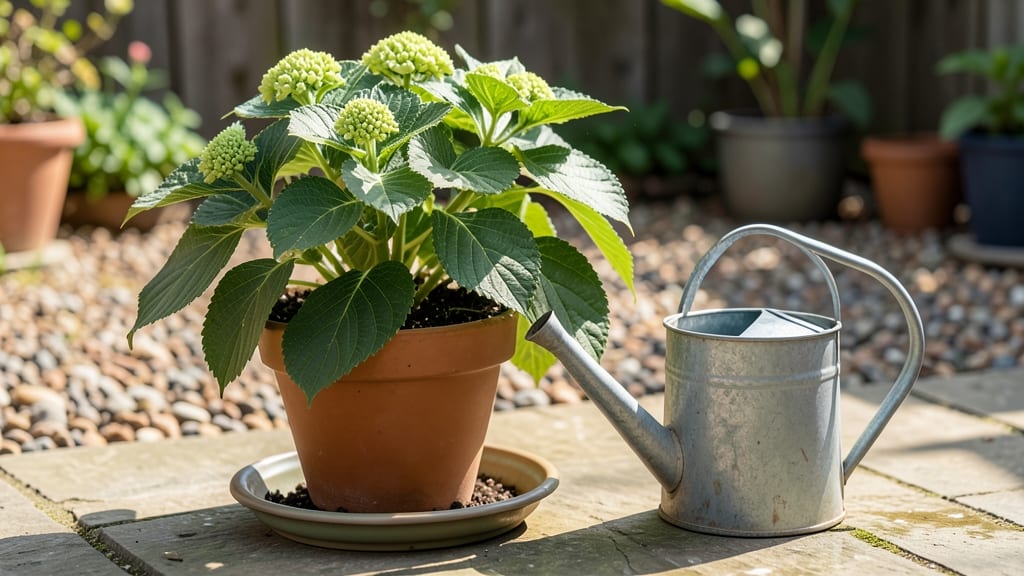
Watering hydrangeas in a pot requires a consistent approach to keep those stunning blooms thriving 🌸 — but guesswork leads to soggy roots or thirsty leaves.
Struggling to keep your potted hydrangeas vibrant and thriving? Overwatering or underwatering can turn those lush blooms into crispy brown branches—fast. The secret lies in mastering the soil moisture test, a foolproof method to water hydrangeas in pots without guessing.
Unlike garden hydrangeas, potted varieties dry out faster, especially in hot weather. A quick finger check or moisture meter tells you exactly when to water, saving you from the heartbreak of wilted blooms or root rot.
Below, I’ll walk you through the best watering schedule, seasonal adjustments, and how to spot the signs of over- or under-watering before it’s too late.
The perfect soil moisture test for potted hydrangeas (step-by-step guide)
Mastering the soil moisture test for your potted hydrangeas is the key to avoiding those dreaded brown, crispy leaves. Unlike in-ground plants, container-grown hydrangeas dry out faster and are prone to root rot if overwatered.
The good news? A simple finger-dip test or moisture meter can tell you exactly when to water—no guesswork required.
Hydrangeas in pots need consistently moist soil, but not soggy. The challenge? Different pot materials (terracotta vs. plastic) and soil types (peat-based vs. coconut coir) change how quickly moisture evaporates.
For example, terracotta pots dry out 30% faster than plastic due to their porous nature. Let’s break down the best methods to check soil moisture accurately.
-
Step 1: Choose Your Method
Pick between the finger-dip test (free, tactile) or a moisture meter (precise, digital). Beginners should start with fingers.
-
Step 2: Wait for the Right Time
Test soil moisture in the morning after watering has settled (avoid evening tests to prevent fungal risks). Stick to a routine, like checking every 2-3 days in summer.
-
Step 3: Perform the Finger-Dip Test
- Insert your index finger 1-2 inches into the soil.
- Grasp a small handful of soil and squeeze gently.
- If it holds shape but crumbles easily, water is ideal. If it’s dry and dusty, it’s time to water.
-
Step 4: Use a Moisture Meter for Precision
Insert the meter’s probe 1-2 inches deep. Readings between 40-60% moisture are perfect for hydrangeas. Below 40%? Water immediately.
-
Step 5: Adjust for Pot Size and Material
Small pots (under 10 inches): Check moisture daily in summer. Large pots (12+ inches): Test every 3-4 days. Terracotta pots: Water more frequently (they dry out faster). Plastic pots: Retain moisture longer; test less often.
-
Step 6: Water Deeply and Evenly
Once you confirm the need, water until it flows from drainage holes. This encourages deep root growth and prevents surface drying.
Pay attention to visual cues beyond the test. Wilted leaves or yellowing foliage often signal underwatering, while mushy stems or white mold on soil mean overwatering. Hydrangeas in full sun may need water every 1-2 days in summer, while those in partial shade can go 3-4 days between waterings.
Pro tip: Bottom watering (placing the pot in a tray of water for 15-20 minutes) helps hydrangeas absorb moisture evenly without disturbing the soil. This method is especially useful for heavy blooming varieties like Endless Summer hydrangeas, which need consistent hydration to support their large flower heads.
Remember, soil type matters. Peat-based mixes dry out faster than coconut coir blends. If your hydrangea’s soil feels clumpy and slow to drain, consider amending it with perlite or orchid bark to improve aeration. This adjustment can reduce watering frequency by up to 25%.
For terracotta pots, I’ve found that watering in the early morning (before 9 AM) minimizes evaporation losses. If your hydrangea is in a plastic pot, you can water slightly later in the day, but always avoid evening waterings to prevent fungal diseases like powdery mildew.
Finally, seasonal changes affect moisture needs. In winter, reduce watering to every 7-10 days unless your hydrangea is in a heated indoor space. During summer heatwaves, increase frequency to daily waterings and use a mulch layer to retain moisture.
A 2-inch layer of pine bark mulch can reduce water loss by up to 30%.
With these soil moisture tests and adjustments, your potted hydrangeas will stay lush and blooming all season—no more guesswork, just thriving plants! 🌸💧
How often to water hydrangeas in pots: seasonal schedule by climate
Potted hydrangeas thrive when you match their watering schedule to your USDA zone and seasonal needs. Unlike in-ground plants, container-grown hydrangeas dry out faster due to limited soil volume.
In Zone 9, I water mine every 2-3 days during summer, while in Zone 5, I stretch watering to biweekly in winter. The key? Adjusting for heatwaves and dormancy periods.
Your pot material and drainage holes also play a huge role. Terracotta pots dry out quicker than plastic, so I check soil moisture daily in summer. A 2-3 inch mulch layer helps retain moisture, reducing watering frequency by up to 30% in hot climates.
Always water deeply until it drains from the bottom.
| Season | USDA Zone 5 | USDA Zone 7 | USDA Zone 9 |
|---|---|---|---|
| Spring | Every 3-4 days | Every 2-3 days | Daily in heatwaves |
| Summer | Every 1-2 days | Every 1-2 days | Every 1-2 days |
| Fall | Every 4-5 days | Every 3-4 days | Every 3-4 days |
| Winter | Bi-weekly | Every 10-14 days | Every 2 weeks |
*Adjust for heatwaves: Increase frequency by 50% during 90°F+ days
During summer, I monitor my hydrangeas closely. If the top 1-2 inches of soil feel dry, it’s time to water. In Zone 9, I might water twice daily during extreme heat, but always in the early morning to prevent fungal issues.
A self-watering pot can help automate this process in hot climates.
Winter care is different. Hydrangeas in Zone 5 enter dormancy, so I reduce watering to biweekly and avoid soggy soil. In Zone 9, where winters are mild, I still water lightly every 2 weeks to prevent root stress. Always ensure pots have drainage holes to prevent winter rot.
Pro tip: Use a moisture meter for accuracy. I’ve found it saves water and prevents overwatering. Pair it with the finger test—stick your finger 2 inches deep. If dry, water thoroughly. If moist, wait another day. This method works for all zones and seasons.
Remember, mulch is your best friend. A 2-3 inch layer of organic mulch (like bark or straw) keeps soil moist longer, reducing watering frequency by up to 30% in summer.
Just avoid piling it against the stem to prevent rot. With this seasonal schedule, your potted hydrangeas will stay lush and blooming all year!