
Landscaping
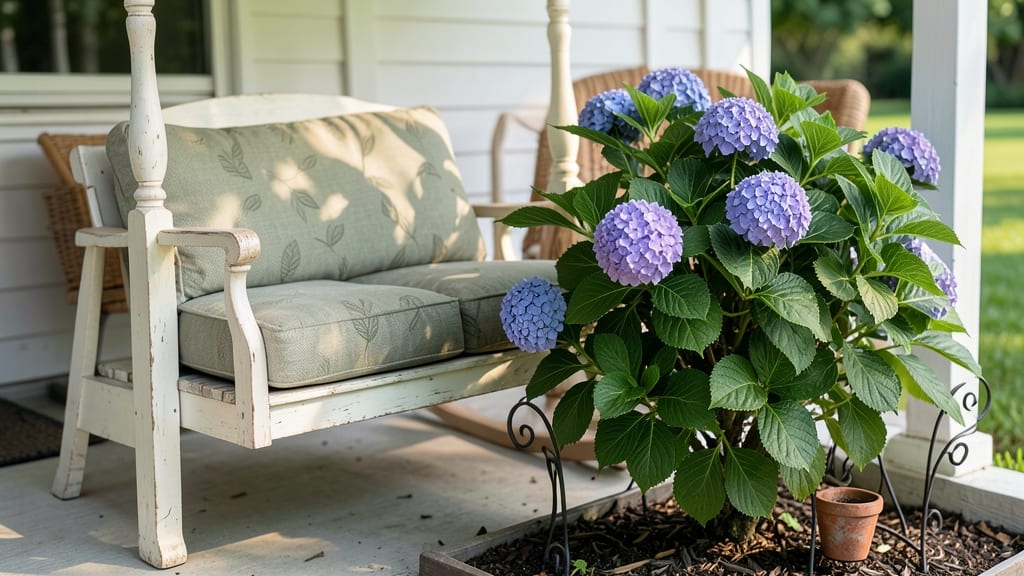
Your front porch deserves that wow factor—hydrangeas bring lush, long-lasting color with almost no fuss. 🌿 I’ve transformed mine from boring to breathtaking by choosing the right varieties, containers, and placement tricks that keep them thriving all season.
The secret? Morning sun, afternoon shade, and containers with drainage holes. Skip the heavy pots—lightweight fabric or ceramic planters let you move them as needed, and the right soil mix (moist but not soggy) keeps roots happy.
My go-to combo is blue hydrangeas paired with trailing ivy for a fresh, airy look. By summer, you’ll have bold blooms that last until frost, with minimal deadheading. Add a few companion plants like sweet alyssum or ferns for texture, and your porch becomes the neighborhood’s envy.
The best part? These plants reward you with zero drama—just beauty. Works for small porches or grand entryways—just adjust container sizes. Let’s make your porch the most inviting spot in the yard!
📚 In This Guide
- What you need
- Instructions
- Tips and common mistakes
- Wrapping up and next steps
What you need
- ● Hydrangea plants: 3–5 mature hydrangeas (varies by porch size). Choose Hydrangea macrophylla (mophead or lacecap) for classic blooms or Hydrangea paniculata for heat tolerance.
- ● Potting soil: 2–3 bags of high-quality, well-draining container mix (avoid garden soil—it compacts!).
- ● Containers: Large pots (12–18 inches in diameter) for each plant, with drainage holes.
- ○ Optional: Decorative planters (ensure they’re at least 12 inches deep).
- ● Mulch: 1–2 bags of organic mulch (e.g., pine bark) to retain moisture and regulate temperature.
- ● Fertilizer: Slow-release hydrangea-specific fertilizer or a balanced 10-10-10 blend (follow package instructions).
- ● Pruning shears: Sharp, clean shears for trimming dead blooms or shaping plants.
- ● Gloves: Heavy-duty gardening gloves to protect your hands.
- ● Watering can or hose: With a gentle spray nozzle for even hydration.
- ● Trowel or small shovel: For amending soil or repotting if needed.
- ○ pH testing kit: Optional but helpful to adjust soil acidity (hydrangeas love pH 5.2–6.0 for blue blooms!).
- ● Decorative accents: Porch lights (solar-powered for easy installation).
- ● Weather-resistant furniture or a bench to enjoy your blooms.
- ● ✅ Sunlight check: Ensure your porch gets partial shade (4–6 hours of morning sun) or dappled light (hydrangeas hate scorching!).
- ● ✅ Drainage plan: If using containers, elevate them slightly to prevent waterlogging.
- ● ✅ Seasonal timing: Plant in spring or early fall for best root establishment.
- ● ✅ Water source: Access to water for consistent moisture (hydrangeas hate drying out!).
Step-by-Step guide to designing a stunning hydrangea front porch
Transform your porch into a year-round floral showcase with these easy, foolproof steps.
🪴 Step 1: Choose the Right Hydrangea Varieties for Your Climate
Select four hydrangea plants that thrive in your USDA hardiness zone—mophead or lacecap types work best for porch displays. I always opt for panicle hydrangeas (like 'Limelight') for their heat tolerance and long bloom season, while bigleaf varieties (like 'Endless Summer') deliver classic blooms in cooler regions. Check your last frost date—planting too early risks frost damage to tender new growth.
Place larger varieties (like 'Nikko Blue') at the corners of your porch for dramatic height, while smaller types (like 'Little Lime') work well in window boxes or hanging baskets. Group plants in odd-numbered clusters (3 or 5) to create natural-looking arrangements. This ensures visual balance without overwhelming the space—your porch will feel intentional, not crowded.
☀️ Step 2: Position for Optimal Sunlight and Seasonal Interest
Most hydrangeas need morning sun and afternoon shade—especially in hot climates where leaves scorch easily. I position mine where they get 4-6 hours of filtered light daily, like under a pergola or near a lattice screen. For cooler zones, full sun (6+ hours) works perfectly for varieties like 'Annabelle'.
Add seasonal interest by pairing hydrangeas with evergreens (like boxwood) or winter-blooming plants (like hellebore). Place a large container (18-24 inches wide) at your porch entrance—this creates an instant focal point. Mulch with 3 inches of shredded bark to retain moisture and suppress weeds, then water deeply until the soil feels damp 2 inches below the surface.
💧 Step 3: Water and Fertilize for Vibrant Blooms
Hydrangeas are thirsty plants—water deeply 2-3 times per week during the first growing season, then taper to once weekly once established. I check moisture by sticking my finger 2 inches into the soil; if it feels dry, it's time to water. Overhead watering can cause fungal issues, so use a soaker hose or drip irrigation at the base instead.
Feed with a balanced 10-10-10 fertilizer in early spring, then switch to acid-loving plant food (like 8-3-9) in mid-summer for blue blooms. For pink flowers, add lime to the soil (about 1 pound per plant). Prune spent blooms in late fall to encourage next year's growth—this keeps your porch looking tidy year-round without sacrificing next season's color.
✂️ Step 4: Prune and Maintain for Year-Round Appeal
Prune panicle hydrangeas in late winter (before buds swell) to shape the plant and remove dead wood. Cut back bigleaf varieties right after blooming to encourage new growth. I never prune more than ⅓ of the plant—this prevents shock and ensures strong regrowth. Use clean, sharp pruners and sterilize them with rubbing alcohol between cuts to avoid spreading disease.
Add seasonal accents like potted ferns or ornamental grasses in summer, then swap for evergreen boughs or pinecones in winter. This keeps your porch looking fresh through all four seasons. Watch for aphids or powdery mildew—spray with neem oil at the first sign of trouble. With this care routine, your hydrangeas will reward you with months of vibrant color and a welcoming entrance.
Tips & tricks for stunning hydrangea porch displays
Creating a show-stopping hydrangea porch isn't just about planting—it's about strategic choices that elevate your design. Here's what I've learned after transforming my own porch into a year-round floral masterpiece.
Variety Selection: When choosing your four hydrangeas, consider the mature size at planting. Panicle varieties like 'Limelight' grow 4-6 feet tall, while bigleaf types like 'Endless Summer' typically reach 3-5 feet. Measure your porch space before purchasing—nothing ruins the aesthetic faster than overcrowded plants. I always opt for one large statement variety (like 'Nikko Blue') as the centerpiece, flanked by two medium-sized plants and one trailing variety for hanging baskets.
Lighting Strategy: The 4-6 hours of filtered light mentioned in Step 2 is critical, but don't stop there. Install small solar-powered path lights along your porch perimeter—they highlight your hydrangeas beautifully at night while adding security. I use warm white lights that cast a soft glow upward, creating a magical effect when the blooms catch the light. This subtle lighting transforms your porch into an evening focal point without overwhelming the natural beauty.
Soil Preparation: Before planting, amend your soil with 2-3 inches of organic compost mixed into the top 12 inches. Hydrangeas thrive in slightly acidic soil (pH 5.5-6.2), which also helps with vibrant blue blooms. I test my soil annually and adjust with sulfur if needed—this small investment makes a dramatic difference in flower color intensity. For container plants, use a high-quality potting mix with added perlite for drainage.
Seasonal Layering: The seasonal accents mentioned in Step 4 are where you can get creative. In summer, I intersperse hydrangeas with fragrant herbs like lavender or rosemary in pots—this adds texture and scent. For winter, swap these with evergreen garlands or pinecones dusted with cinnamon. This rotating display keeps your porch visually interesting through all seasons while maintaining that low-maintenance appeal.
Pro Tips for Hydrangea Front Porch
- Creating a show-stopping hydrangea porch isn't just about planting—it's about strategic choices that elevate your des...
- Variety Selection: When choosing your four hydrangeas, consider the mature size at planting. Panicle varieties like '...
- Lighting Strategy: The 4-6 hours of filtered light mentioned in Step 2 is critical, but don't stop there. Install sma...
Frequently asked questions
Got questions about transforming your front porch with hydrangeas?
You’re not alone! Here are answers to the most common queries to help you create a stunning, low-maintenance display that blooms all season long.
What’s the best time of year to plant hydrangeas on a front porch?
For bigleaf and oakleaf hydrangeas, plant in early spring or fall when soil is workable but not frozen. Panicle hydrangeas thrive in spring. Avoid planting in extreme heat—roots need time to establish before summer stress sets in. Pro tip: Amend soil with compost for better drainage, especially in containers!
Can hydrangeas survive winter on a front porch?
Most hydrangeas (except panicle types) are hardy in USDA Zones 5-9 but may need winter protection. In colder climates, wrap containerized plants in burlap or frost cloth and move them to a sheltered spot. Mulch the soil and avoid overhead watering before freeze. Oakleaf hydrangeas are the toughest—their leaves stay on through winter for extra charm!
What are low-maintenance alternatives to hydrangeas for a front porch?
If hydrangeas feel high-maintenance, try these easy-care swaps:
- Boxwoods: Evergreen, drought-tolerant, and perfect for topiary.
- Lantana: Blooms all summer with minimal watering (great in pots!).
- Dwarf Gardenias: Fragrant, shade-loving, and pest-resistant.
- Sedum (Stonecrop): Succulent, drought-proof, and winter-hardy.
For color variety, mix in annuals like petunias—they’re easy to swap out yearly!
Why are my porch hydrangeas wilting or turning brown?
Common culprits:
- Overwatering: Hydrangeas hate soggy roots—ensure pots have drainage holes and water only when the top inch of soil is dry.
- Underwatering: Drooping leaves? Check soil moisture—containers dry out faster than ground soil.
- Sunburn: Scorched leaves? Move plants to partial shade (especially in hot afternoons).
- Pests: Yellowing leaves? Inspect for aphids or spider mites—spray with neem oil if needed.
Fix it fast:
Trim dead blooms to encourage new growth and adjust watering immediately.
How can I make my hydrangeas bloom all summer?
For continuous blooms, deadhead (trim) faded flowers regularly. Feed with a balanced fertilizer (10-10-10) in spring and a low-phosphorus bloom booster in summer. Panicle hydrangeas bloom on new wood—prune in late winter. For bigleaf types, prune right after flowering to avoid cutting off next year’s buds.
Wrapping up and next steps
Transforming your front porch with hydrangeas is a rewarding way to add year-round charm and curb appeal with minimal effort! These versatile blooms thrive with simple care—just a little pruning, watering, and seasonal love to keep them flourishing.
Whether you’re a green thumb or a beginner, hydrangeas bring joy and color that brightens any entrance.
Ready to dive in? Start small—pick a few low-maintenance varieties, gather your tools, and let nature do the rest! Your front porch (and neighbors!) will thank you. 🌸