
Aphids
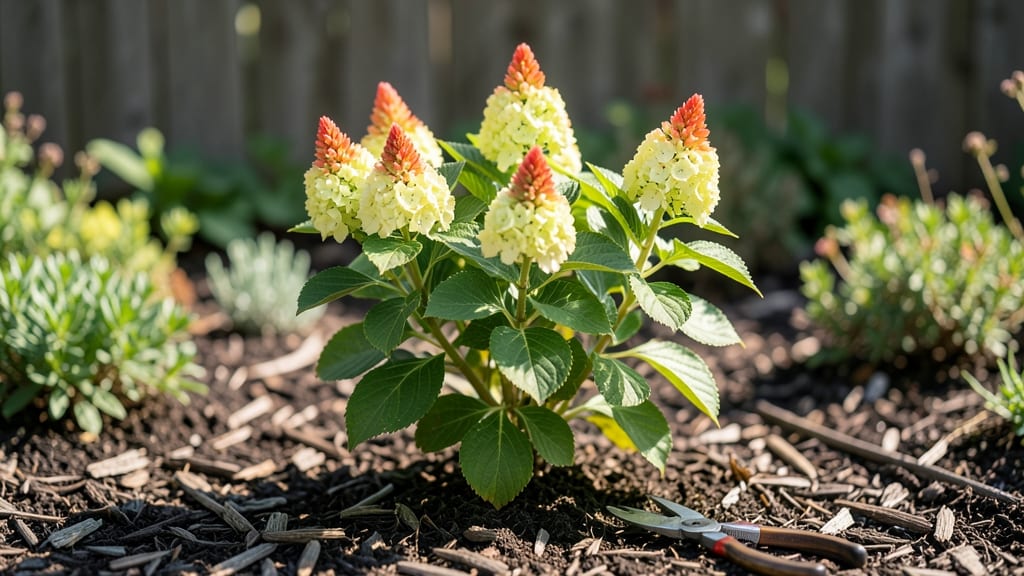
Growing Hydrangea paniculata 'Little Quick Fire' means fiery blooms that outperform most shrubs in your garden. 🌟 This compact powerhouse thrives in heat, drought, and tight spaces where other hydrangeas struggle—its flowers start red and fade to pink, creating a show that lasts from summer through frost.
The secret to its success is simple: partial sun (morning light, afternoon shade), well-draining soil (amend with compost if yours is heavy), and watering that keeps roots moist but never soggy. Unlike fussy hydrangeas, this one forgives neglect—just don’t let it dry out completely in summer.
By mid-summer, you’ll see football-sized blooms that attract bees and hummingbirds, with foliage that stays lush even when temperatures hit 90°F. Prune in late winter to encourage dense growth, and watch it rebound faster than any hydrangea I’ve grown.
Perfect for small gardens, containers, or urban courtyards—this isn’t just a plant, it’s a low-maintenance statement piece that works harder than its neighbors. Let’s get yours thriving!
📚 In This Guide
- What you need
- Instructions
- Tips and common mistakes
- Wrapping up and next steps
What you need
- ● Hydrangea paniculata 'Little Quick Fire' plant: 1-3 nursery-grown plants (choose healthy, well-rooted specimens with vibrant buds).
- ○ Well-draining potting mix or garden soil: 5-10 gallons (adjust based on container size or planting area). Optional: Amend with compost or peat moss for richer soil.
- ● Container (if not planting in-ground): 15-20 gallon pot (minimum) with drainage holes.
- ○ Optional: Self-watering planter for low-maintenance care.
- ● Organic mulch: 2-3 inches (e.g., shredded bark or pine needles) to retain moisture and regulate temperature.
- ● Garden trowel or transplant spade (for digging and planting).
- ● Pruning shears (sterilized with rubbing alcohol) for shaping and deadheading.
- ● Watering can or hose with a gentle spray nozzle (avoid over-saturating the roots).
- ● Gloves (to protect hands from thorns and soil).
- ○ Optional: Soil pH test kit (to monitor acidity, ideal range: 5.5–6.2 for vibrant blooms).
- ● Sunlight: Full sun to partial shade (6+ hours of sunlight daily for optimal growth).
- ● Water: Consistent moisture (1–1.5 inches per week; drought-tolerant once established but loves hydration).
- ● Climate: Hardy in USDA Zones 4–9 (thrives in heat and humidity—perfect for summer!).
- ● Fertilizer: Essential: Balanced granular fertilizer (10-10-10) applied in spring.
- ○ Optional: Slow-release hydrangea-specific fertilizer for prolonged blooms.
Step-by-Step instructions for planting and caring for hydrangea paniculata 'Little Quick Fire'
This compact, heat-loving hydrangea delivers stunning color with minimal fuss. Here's how to get it thriving in your landscape.
🪴 Step 1: Select the Perfect Planting Location
Choose a site with full sun to partial shade—'Little Quick Fire' tolerates heat better than most paniculatas but still appreciates afternoon shade in hot climates. The key is well-draining soil; this variety despises soggy roots. Amend heavy clay with 2-3 inches of compost before planting to improve drainage.
Test your spot by digging a 12-inch deep hole. If water pools after 30 minutes, raise the planting area or choose a different location. This hydrangea thrives in USDA Zones 4-8, making it versatile for most gardens. Plant in early spring or fall when temperatures are mild—avoid extreme heat or cold.
🌱 Step 2: Plant with Proper Spacing and Mulch
Dig a hole twice as wide as the root ball but no deeper. Gently remove the plant from its container and loosen any circling roots with your fingers. Place it in the hole so the top of the root ball sits 1 inch above soil level—this prevents rot during heavy rains.
Backfill with native soil mixed with composted organic matter to encourage root expansion. Water deeply to settle the soil, then apply 2-3 inches of mulch around the base, keeping it 3 inches away from the stem. This mulch layer retains moisture and regulates soil temperature—critical for heat-loving varieties like 'Little Quick Fire'.
☀️ Step 3: Water Deeply and Establish a Routine
Water immediately after planting to eliminate air pockets, then maintain 1-1.5 inches of water weekly during the first growing season. Check soil moisture by sticking your finger 2 inches deep—if it feels dry, water thoroughly. This hydrangea's compact size means it won't need as much water as larger varieties, but consistent moisture prevents stress.
Once established (after 6-8 weeks), reduce watering to once weekly unless your area experiences extreme heat or drought. You'll know it's thriving when new growth emerges vibrant and stems remain firm—not mushy or brittle. Fertilize lightly in spring with a balanced 10-10-10 formula to support its heat tolerance.
✂️ Step 4: Prune for Compact Growth and Season-Long Blooms
Prune in late winter or early spring before new growth appears. Remove 1/3 of the oldest stems at ground level to encourage fresh, compact growth. This variety blooms on new wood, so don't fear cutting back—you'll reward yourself with even more vibrant blooms. Trim any dead or crossing branches to improve air circulation and prevent disease.
After flowering, cut back the current season's stems by half their height to maintain shape and encourage next year's blooms. Wear gloves—hydrangea stems can be prickly! The goal is to keep the plant bushy and open, not leggy. With proper pruning, 'Little Quick Fire' stays 3-4 feet tall and wide, perfect for small gardens or containers.
🌿 Step 5: Maintain Year-Round for Heat Resistance
In summer, monitor for powdery mildew—a common issue with heat-stressed plants. If you spot white powder on leaves, improve airflow by thinning dense growth and apply a neem oil spray if needed. This variety's heat tolerance makes it low-maintenance, but a little preventative care goes a long way.
In fall, reduce watering as temperatures drop, but keep soil lightly moist until the ground freezes. Mulch again with 2-3 inches of shredded bark to protect roots during winter. 'Little Quick Fire' handles cold well, but extra insulation ensures it returns stronger each spring. With these steps, you'll enjoy its fiery blooms for years to come.
Tips & tricks for perfect hydrangea paniculata 'Little Quick Fire' planting
These quick, game-changing tips will help you skip the common mistakes and get your heat-loving hydrangea thriving from day one.
Soil Test Tip: Before planting, do a simple "squeeze test" on your soil—grab a handful and try to form a ball. If it holds shape after 30 minutes (as mentioned in Step 1), you've got heavy clay that needs those 2-3 inches of compost. If it crumbles easily, your soil is likely well-draining already. This simple check saves you from potential root rot disasters down the road.
Root Ball Prep: When removing your 'Little Quick Fire' from its container in Step 2, don't just pull it out—gently squeeze the sides of the pot to loosen the root ball first. This prevents root damage and helps those circling roots (which can strangle new growth) spread out naturally. Think of it like giving your plant a gentle massage before its big move!
Mulch Timing: The 2-3 inches of mulch in Step 2 should be applied after watering—but here's the secret: wait 24 hours after planting before adding it. This lets the soil settle properly around the roots, preventing the mulch from smothering fresh plantings. Also, keep that mulch 3 inches away from the stem to prevent moisture buildup that could cause rot.
Watering Hack: For that 1-1.5 inches of weekly water during the first growing season (Step 3), use a rain gauge or even a tuna can with measurements marked on the side. Place it near your plant to track exactly how much water you're giving. Overwatering is the #1 killer of heat-loving plants—this variety needs consistent moisture but hates soggy feet.
Pro Tips for Hydrangea Paniculata Little Quick Fire
- These quick, game-changing tips will help you skip the common mistakes and get your heat-loving hydrangea thriving fr...
- Soil Test Tip: Before planting, do a simple "squeeze test" on your soil—grab a handful and try to form a ball. If it ...
- Root Ball Prep: When removing your 'Little Quick Fire' from its container in Step 2, don't just pull it out—gently sq...
Frequently asked questions
about Hydrangea paniculata 'Little Quick Fire'—because even the most compact heat-lovers need a little clarity!How fast does 'Little Quick Fire' grow compared to other paniculatas?
'Little Quick Fire' is a fast grower for its compact size, reaching 3–4 feet tall in 1–2 seasons. While larger paniculatas (like 'Limelight') grow taller, this variety stays petite while still blooming prolifically. Prune lightly in late winter to encourage bushier growth and more flowers.
Can 'Little Quick Fire' survive harsh winters or extreme heat?
This hydrangea is highly adaptable—it tolerates winter temps down to -20°F (-29°C) and thrives in summer heat (USDA Zones 4–9). For extra protection in cold climates, mulch the base with 2–3 inches of organic matter. Pro tip: Avoid soggy soil in winter to prevent root rot!
Why aren’t my 'Little Quick Fire' blooms changing color like they should?
Color shifts (from green to pink/red) depend on soil pH and sunlight. For vibrant blooms:
- Test soil pH—acidic (5.5–6.0) enhances pink tones.
- Ensure 6+ hours of sun (partial shade can mute colors).
- Fertilize in spring with hydrangea-specific food for richer hues.
What pests or diseases should I watch for with 'Little Quick Fire'?
Common issues include:
- Aphids: Spray with water or use neem oil if clusters appear sticky.
- Powdery mildew: Improve airflow; fungicide may help in humid climates.
- Leaf spot: Remove infected leaves and avoid overhead watering.
Can I grow 'Little Quick Fire' in a container? If so, what’s the best setup?
This variety thrives in containers (15–20 gallon pots). Use:
Bonus: Container-grown plants bloom earlier and are easier to move for seasonal sun adjustments!
Wrapping up and next steps
Growing Hydrangea paniculata 'Little Quick Fire' is a rewarding journey—this compact, heat-loving beauty brings vibrant color and effortless charm to any garden! 🌸 From its sun-tolerant roots to its low-maintenance care, this variety thrives with minimal fuss, making it perfect for both beginners and seasoned gardeners. Whether you’re adding it to borders, containers, or mixed beds, its fiery blooms will turn heads and brighten your space year after year.
Ready to transform your outdoor space? Start by choosing the perfect spot, gather your supplies, and give this stunning shrub the love it deserves. With the right care, you’ll enjoy its dazzling display for seasons to come—happy gardening! 🌿✨