
Blooming
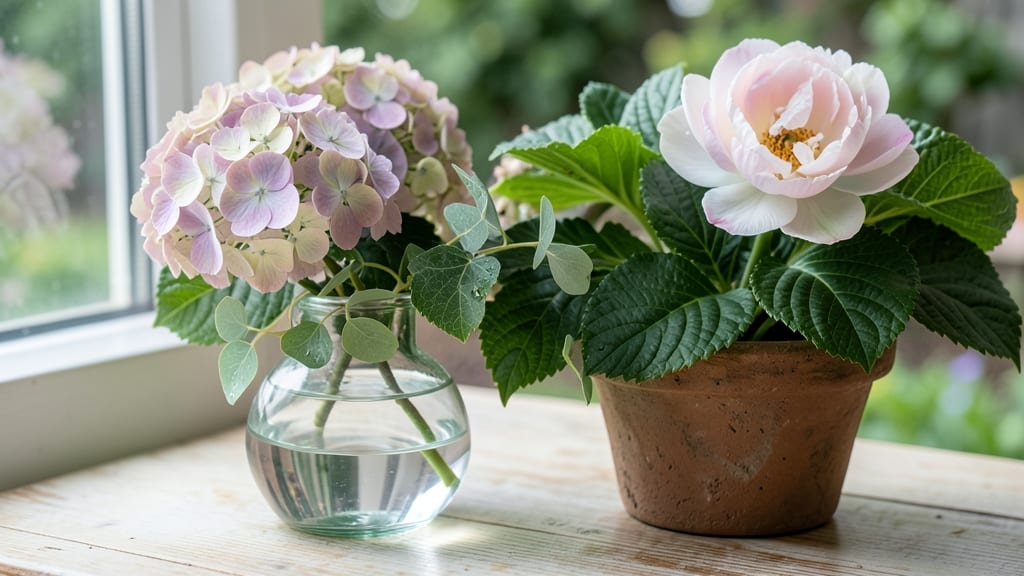
A hydrangea-and-peony wedding bouquet is the kind of arrangement that makes guests sigh with envy. 🌸 I've designed dozens of these over the years, and the secret isn't just the flowers—it's the way their textures play together: the velvety peony petals against hydrangea's papery blooms, softening edges while adding drama.
The best part? You can mix colors to match any wedding palette, from blush pink to deep lavender, while keeping that romantic, layered look. Peonies bring structure with their bold, rounded blooms, while hydrangeas add movement with their cascading clusters.
For a hand-tied bouquet, use 10-12 stems of each for balanced weight, or go for a round bouquet with 15-20 stems to create volume. The key is to let the peonies anchor the design while hydrangeas spill over for that "just-picked-from-the-garden" feel.
What you end up with is a bouquet that lasts 5-7 days with proper care—hydrangeas stay crisp, peonies hold their scent, and the stems remain sturdy. The fragrance alone will have your wedding party floating on cloud nine.
Plus, these flowers play well with other bridal favorites like roses, ranunculus, or eucalyptus for extra depth. For sourcing, local florists often carry both in late spring, but plan ahead—peonies bloom briefly, while hydrangeas give you more flexibility. Dried versions work for keepsake bouquets too.
Here's how to make them look like a million bucks without the florist price tag!
📚 In This Guide
- What you need
- Instructions
- Tips and common mistakes
- Wrapping up and next steps
What you need
- ● Hydrangeas: 12–15 stems (mix of macrophylla or paniculata varieties for volume)
- ● Peonies: 8–10 stems (choose soft pink, blush, or ivory for a classic look)
- ● Filler Flowers: 5–7 stems ranunculus (for delicate layers)
- ● 3–5 stems spray roses (for subtle texture contrast)
- ● Greenery: 10–12 stems eucalyptus (silver or green for contrast)
- ● 8–10 stems hypericum berries (for pop and movement)
- ● Floral Preservative: 1 bottle (to keep blooms fresh)
- ● Floral Tape: 1 roll (for securing stems)
- ● Buckets or Vases: 2–3 (for hydrating stems)
- ● Floral Foam or Chicken Wire: 1 block or roll (for structure)
- ● Scissors or Floral Knife: 1 (for clean cuts)
- ● Ribbon or Wrapping: Satin or lace (for bouquet handles)
- ● Dried Elements: Dried lavender or wheat stalks (for rustic texture)
- ● Spray Adhesive: For securing lightweight fillers
- ● Color Accents: Tiny sprigs of statice or babys breath (for contrast)
Instructions: crafting a romantic hydrangea and peony wedding bouquet
Here's how to create bouquets that feel like a love letter to spring.
🌿 Step 1: Select and Prepare Your Flowers
Start by choosing hydrangeas with full, rounded blooms and peony buds just beginning to open—this contrast creates that signature lush texture. I like to work with 4-6 hydrangeas per bouquet and 3-4 peonies, depending on the size you want. Trim stems at a 45-degree angle about 6 inches from the base to maximize water uptake.
Strip the lower leaves from the stems, leaving only the top few leaves. This prevents them from sitting in water and rotting. Here's the thing—hydrangeas and peonies both wilt fast once cut, so work quickly and keep stems in lukewarm water while you prep everything else. You'll see the flowers perk up noticeably within minutes of trimming.
☀️ Step 2: Condition the Stems for Longevity
Fill a clean bucket with lukewarm water and add 1 teaspoon of floral preservative (or a mix of 1 tablespoon sugar + 1 teaspoon bleach for homemade solution). Submerge the stems and let them soak for at least 30 minutes—this rehydrates the flowers and extends their vase life. I like to add a few drops of lemon juice to the water too; it keeps the hydrangeas vibrant longer.
While they're soaking, check the stems for any slimy or mushy sections at the base. If you find any, trim those off immediately. The goal is to create clean cuts that can absorb water efficiently. Once conditioned, the stems should feel firm and crisp when you give them a gentle squeeze.
✂️ Step 3: Layer and Arrange the Flowers
Start by creating a base layer with the hydrangeas. Place 2-3 blooms in the center of your bouquet wrap or floral foam, arranging them so their largest faces are outward. Next, add the peonies around the hydrangeas, positioning them so their buds face outward—this creates that romantic, slightly undone look. You'll want the peonies to peek through the hydrangeas just enough to add contrast.
Fill in any gaps with filler flowers like spray roses or baby's breath to create that lush, full texture. The key is to mix heights and shapes—hydrangeas are round and full, while peonies add soft, layered petals. Step back frequently to check your balance; you're aiming for a bouquet that looks effortlessly romantic, not overly structured.
💧 Step 4: Secure and Wrap the Bouquet
Once you're happy with the arrangement, secure the stems with floral tape or twine, wrapping tightly around the base to hold everything in place. For a classic look, I like to use cream or blush ribbon tied in a loose bow at the base. If you're using floral foam, moisten it thoroughly before inserting stems—this keeps the flowers hydrated longer.
To finish, wrap the bouquet in burlap or kraft paper and tie it with ribbon. The paper should be loose enough to see the flowers but snug enough to hold the shape. Here's where it gets fun—add a sprig of eucalyptus or a single peony bloom tucked into the ribbon for extra elegance. The bouquet should feel light in your hand but sturdy enough to hold its shape.
⏰ Step 5: Store and Transport for Maximum Freshness
If you're not using the bouquets immediately, store them upside down in a cool, dark place with stems submerged in fresh, cool water. Change the water every 12 hours to keep them fresh. On the big day, transport them in a bucket of water—this prevents wilting and keeps stems hydrated. I always bring a small spray bottle to mist the blooms if they start to droop.
The bouquets should stay fresh for at least 5-7 days if cared for properly. Just before the ceremony, trim the stems again and place them in a clean vase with fresh water and preservative. You'll see them perking up almost immediately—that's your signal everything worked!
Tips & tricks for perfect hydrangea-peony wedding bouquets
Creating bouquets that feel like a love letter to spring takes a few thoughtful touches—here's how to elevate every detail.
Selection Tip: When choosing hydrangeas, look for blooms that are fully open but still firm. The petals should feel slightly crisp when you gently touch them—this ensures they'll hold their shape during the bouquet process. For peonies, select buds that are just beginning to open; these will unfurl beautifully over the next 24-48 hours, adding that romantic progression. I've learned this the hard way after using overripe peonies that turned mushy during transport.
Stem Prep Secret: The 45-degree angle cut about 6 inches from the base is non-negotiable for water uptake, but here's what nobody tells you—use a sharp floral knife or clean pruners, not scissors. Scissors crush stems, which restricts water flow and shortens vase life. After cutting, immediately place stems in lukewarm water—this prevents air bubbles from forming in the stem ends, which can block hydration. You'll notice the flowers perk up noticeably within minutes.
Conditioning Boost: During that 30-minute conditioning soak, I like to add a few drops of lemon juice to the water along with the preservative. This helps maintain the hydrangeas' vibrant color and adds a subtle freshness that lasts throughout the bouquet's life. While soaking, gently squeeze the stems to check for crispness—if they feel soft or slimy, trim again and give them another 10 minutes in fresh water. This step makes all the difference in longevity.
Arrangement Pro Tip: When layering your 2-3 hydrangeas and 3-4 peonies, think about the bouquet's "face"—the side that will be most visible. Place the largest hydrangea bloom slightly off-center to create visual interest, then arrange peonies to peek through like they're shyly emerging from behind. For balance, I like to add spray roses on the outer edges first, then fill gaps with baby's breath—this creates that lush, romantic texture without overwhelming the main flowers.
Pro Tips for Hydrangea Peonies Wedding Bouquet
- Creating bouquets that feel like a love letter to spring takes a few thoughtful touches—here's how to elevate every detail.
- Selection Tip: When choosing hydrangeas, look for blooms that are fully open but still firm.
- Stem Prep Secret: The 45-degree angle cut about 6 inches from the base is non-negotiable for water uptake, but here's what nobody tells you—use a sharp floral knife or clean pruners, not scissors.
Frequently asked questions
Got questions about crafting your dream hydrangea and peony wedding bouquet? You’re not alone! Here are some of the most common inquiries—and their answers—to help you create a showstopping centerpiece with ease.
When is the best time to arrange a hydrangea and peony bouquet?
The ideal time is during their peak bloom seasons: hydrangeas (late spring to early summer) and peonies (late spring to early June). For a fresh, long-lasting bouquet, arrange them within 2–3 days of cutting. Store stems in cool water overnight to maximize vibrancy.
How do I keep my bouquet fresh for the wedding day?
Follow these pro tips:
- Hydrate: Trim stems at an angle and place in lukewarm water with a floral preservative.
- Chill: Store bouquets in the fridge (unarranged) until 2–3 hours before the ceremony.
- Refresh: Re-cut stems and change water every 12–24 hours.
Can I substitute hydrangeas or peonies if they’re out of season?
Swap hydrangeas with gardenia (for fragrance) or spray roses (for volume). Replace peonies with ranunculus or anemones for a similar lush texture. Just adjust your color palette to match your wedding theme—romantic whites, soft pinks, or blush tones work universally.
Why are my hydrangeas wilting faster than expected?
Hydrangeas are thirsty and sensitive to ethylene gas (released by fruits/vegetables). Troubleshoot with:
- Water changes: Refresh every 6–8 hours.
- Avoid overcrowding: Space stems to prevent mold.
- Temperature control: Keep them away from direct sunlight or heat sources.
What’s the best way to arrange a bouquet for left-handed brides?
For a left-handed bride, arrange the bouquet with the heaviest stems (like peonies) on the right side to balance weight. Use a foam wrap or wire frame for extra support, and opt for a round or hand-tied style over a traditional round—it’s easier to hold without strain.
Wrapping up and next steps
A hydrangea and peonies wedding bouquet isn’t just a bouquet—it’s a love letter in petals, blending soft romance with bold texture. These blooms bring effortless elegance, making your special day feel like a dream.
Whether you’re crafting it yourself or trusting a florist, the key is embracing their natural beauty and letting your personality shine through.
Ready to bring this vision to life? Start by sketching your dream bouquet or visiting a local florist to source the freshest blooms. Your future self—and your future spouse—will thank you! 🌸✨