
Advice
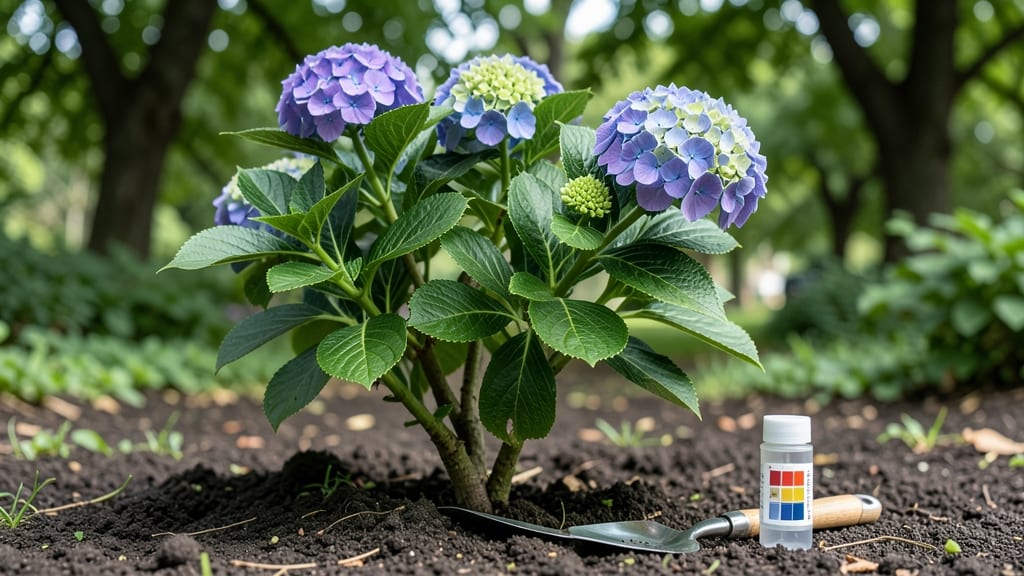
The ideal hydrangea soil type combines well-draining, acidic conditions with a pH range of 5.2–6.0 for vibrant blue or purple blooms, while pink flowers thrive at a slightly higher pH of 6.0–6.2. Balanced moisture retention—without waterlogging—supports strong root health and lush foliage.
The right hydrangea soil type isn't just about pH—it's about creating the perfect environment for those stunning blooms. 🌸 Acidic soil unlocks aluminum, a key nutrient that influences flower color, while proper drainage prevents root rot.
I've found that mixing in organic matter like compost or peat moss helps maintain that ideal moisture balance, keeping roots happy without drowning them. For best results, test your soil every spring and adjust with sulfur (to lower pH) or lime (to raise it) as needed.
What many gardeners overlook is how moisture plays a supporting role. While hydrangeas love consistent dampness, soggy soil leads to yellowing leaves and weak stems. Mulching with pine bark or wood chips helps retain moisture while improving soil structure over time.
This combination of acidity, drainage, and moisture control is what transforms ordinary soil into a thriving hydrangea haven.
💡 In This Article
- How Soil pH Directly Affects Hydrangea Flower Colors
- Creating the Ideal Hydrangea Soil Mix: Step-by-Step Guide
How soil pH directly affects hydrangea flower colors
The secret behind hydrangea flower colors lies in soil chemistry, specifically aluminum availability. In acidic conditions (pH 5.2–6.0), aluminum becomes soluble and gets absorbed by the plant, triggering the production of delphinidin, the pigment responsible for blue and purple hues.
When pH rises above 6.0, aluminum precipitates out of the soil, reducing its uptake and allowing cyanidin to dominate instead, producing pink blooms. This chemical switch happens at the cellular level in the flower petals, creating the stunning color variations we love.
Think of aluminum as a color director in this process. At lower pH levels, the soil acts like a solvent, dissolving aluminum ions that hydrangeas readily absorb through their roots. These ions travel up the plant and interact with specific enzymes in the flower cells, directing pigment production.
For example, the Endless Summer variety can shift from pink to blue depending on soil pH—proof of this chemical magic at work. 🌸 What's fascinating is that this process is reversible: changing your soil's pH can literally transform your hydrangea's color palette overnight.
To manipulate this chemistry, gardeners use soil amendments like elemental sulfur (to lower pH) or garden lime (to raise it). Sulfur works by creating sulfuric acid when it breaks down, while lime provides calcium carbonate that neutralizes soil acidity.
The key is precision: adding 1 pound of sulfur per 100 square feet can drop pH by about 0.5 points, while lime applications should be calculated based on your soil test results. Overcorrecting can damage roots, so always test before amending.
Here's where things get tricky: different hydrangea varieties respond differently to pH changes. Mophead and Bigleaf types are the most pH-sensitive, while Panicled hydrangeas (like 'Limelight') produce white blooms regardless of soil pH. This is because they use a different pigmentation pathway that's aluminum-independent.
Understanding your specific variety helps you set realistic expectations for color changes.
The visual impact of proper pH management is dramatic. I've seen blue hydrangeas deepen from lavender to royal blue after adding sulfur, while pink varieties can intensify to magenta when lime is applied.
The color transformation happens gradually over 4-6 weeks as the plant absorbs the new soil conditions and produces new blooms. For gardeners who want to experiment, this creates endless possibilities for seasonal color changes.
Don't forget that aluminum availability isn't the only factor—soil organic matter also plays a supporting role. Compost and peat moss help maintain acidity while providing essential nutrients. The combination of proper pH, aluminum availability, and nutrient balance creates the perfect recipe for hydrangea color magic. 💫
For those who want to go the extra mile, consider using chelated aluminum supplements (like aluminum sulfate) for instant color changes, though this should be used sparingly. The natural soil approach is always more sustainable and creates healthier plants in the long run.