
Watering
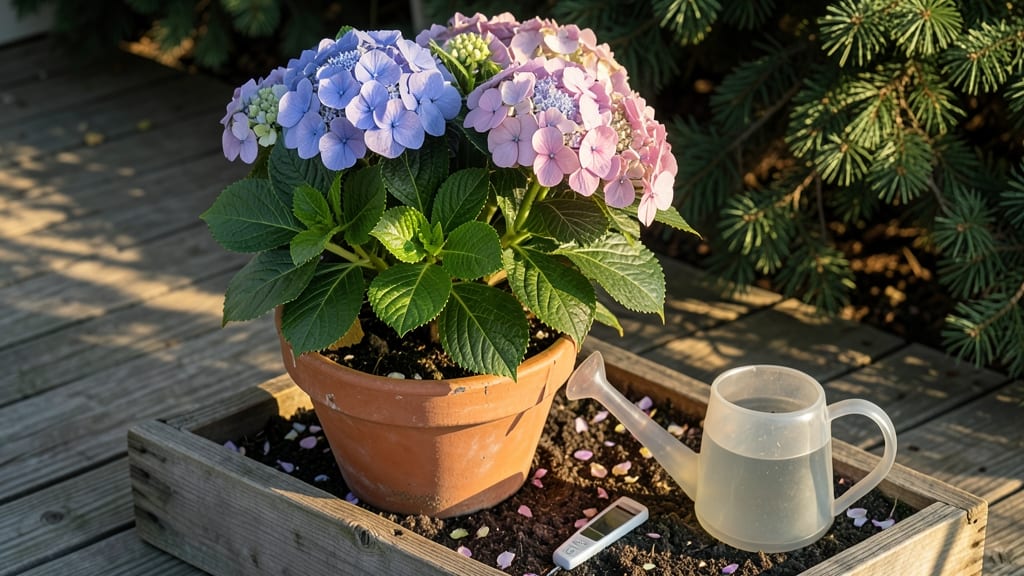
Mastering the water requirements for hydrangeas 🌸 is the key to keeping those big, showy blooms looking their best all season long.
Struggling to keep your hydrangeas blooming as vibrantly as last summer? The secret often lies in mastering their water needs—too much or too little can turn lush flowers into sad, wilted stems.
Hydrangeas love consistent moisture, but they hate soggy roots. Think of it like a spa day for your plants: deep soaks once a week (or more in summer heat) keep them thriving, while shallow sprinkles just confuse them.
In this guide, I’ll break down exactly how much water hydrangeas need, how to tell if you’re over- or underwatering, and the simple tricks—like mulching and morning watering—that make all the difference.
How much water do hydrangeas need for optimal growth?
Hydrangeas are the showstoppers of any garden, but their vibrant blooms depend heavily on consistent moisture. Unlike drought-tolerant succulents, these thirsty shrubs crave 1-2 inches of water per week during their growing season.
Too little, and you’ll see wilted stems and sparse flowers; too much, and root rot takes over. The key is striking that perfect balance—one that changes with the seasons and your local climate.
Think of hydrangeas like a sponge: they love to soak up water but hate sitting in it. Morning watering is ideal because it gives roots time to absorb moisture before the heat of the day. Avoid evening watering, as damp foliage overnight invites fungal diseases like powdery mildew.
Even if you’re eager to see those blue or pink blooms pop, resist the urge to overwater—hydrangeas are resilient once they’ve established strong roots.
Soil moisture is your best friend here. Stick your finger 2 inches deep into the soil—if it feels dry, it’s time to water. If it’s still damp, wait another day or two. Mulching with 2-3 inches of organic material (like shredded bark or straw) helps retain moisture and keeps roots cool. This simple step can cut your watering needs by up to 30%, especially in hot, dry climates.
Seasonal adjustments are crucial. In spring and summer, when hydrangeas are actively growing, aim for deep, infrequent watering—think of it like giving them a long drink rather than frequent sips. During fall and winter, reduce watering to once every 2-4 weeks, unless you’re in a region with freezing temperatures, where you might need to protect roots with extra mulch.
Here’s the science-backed breakdown of what hydrangeas truly need to thrive:
| Season | Watering Frequency | Soil Moisture Target | Key Tips |
|---|---|---|---|
| Spring | Weekly (1-2 inches) | Consistently moist | Water at soil level to avoid wetting leaves |
| Summer | 2-3x per week (or daily in heatwaves) | Deeply moist | Use drip irrigation for even distribution |
| Fall | Bi-weekly (reduce gradually) | Slightly dry topsoil | Stop fertilizing to prep for dormancy |
| Winter | Monthly (unless frozen) | Dry (natural dormancy) | Mulch heavily to protect roots |
Potted hydrangeas deserve extra attention because their roots are confined and dry out 3x faster than in-ground plants.
Check the soil daily during summer—if the top inch feels dry, it’s time to water. Self-watering pots or saucers filled with pebbles and water can help maintain steady moisture levels without the risk of overwatering.
Did you know that water quality affects hydrangea bloom color? Blue hydrangeas thrive in acidic soil (pH 5.0-5.5), while pink blooms prefer neutral to slightly alkaline soil (pH 6.0-7.0).
If your hydrangeas aren’t producing the color you love, test your soil’s pH and adjust with lime (to raise pH) or sulfur (to lower pH). This tweak can transform your garden overnight!
One common mistake gardeners make is watering leaves instead of the soil. Wet foliage creates the perfect environment for fungal diseases like powdery mildew or botrytis blight. Always water at the base of the plant and avoid overhead sprinkling.
If you must water leaves (like during a heatwave), do it early in the morning so foliage has time to dry completely before nightfall.
For newly planted hydrangeas, the first year is critical. These young shrubs need extra frequent watering—about twice a week—to establish strong root systems. After the first year, they’ll be more drought-tolerant, but consistent moisture still ensures those showstopping blooms you’re dreaming
Signs your hydrangeas are thirsty (or drowning) and how to fix it
Hydrangeas are finicky about water—too little and their leaves droop, too much and their roots suffocate. The key is consistent moisture without soggy soil. Start by checking the soil moisture with your finger: stick it 2 inches deep.
If it feels dry, it's time to water. If it's damp, hold off. Yellowing leaves or mushy stems are red flags you're overdoing it.
Another telltale sign is the leaf color. Dull, brown edges often mean underwatering, while yellowing leaves (especially with brown spots) scream overwatering. Wilted buds that refuse to open? Your hydrangea is thirsty.
And if the soil smells sour, that's a clear sign of root rot from too much water. Act fast—hydrangeas can recover, but only if you catch these issues early.
Overwatering vs. Underwatering: Quick Fixes
Overwatering
- 🌱 Yellow leaves with brown spots
- 🌱 Mushy stems or blackened roots
- 🌱 Sour soil smell near base
Underwatering
- 🌱 Dry, crispy leaf edges
- 🌱 Wilting buds that don’t open
- 🌱 Dry, cracked soil around roots
For overwatered hydrangeas, the first step is to pause watering and let the soil dry out. If the roots are already rotting, trim away the blackened or mushy sections with sterilized pruners.
Mix compost or perlite into the soil to improve drainage. A layer of mulch (2-3 inches) will also help regulate moisture and prevent future soggy soil.
If your hydrangea is thirsty, water it deeply—aim for 1-2 inches of moisture per week. Use a soaker hose or drip irrigation to deliver water directly to the roots.
Avoid overhead watering, which can lead to fungal diseases like powdery mildew. In hot climates, you may need to water every 2-3 days, but always check the soil first.
Don’t forget the mulch! A 3-inch layer of organic mulch (like shredded bark or straw) locks in moisture, keeps roots cool, and reduces evaporation. Replenish it every spring to maintain its effectiveness.
For potted hydrangeas, ensure the pot has drainage holes and water when the top inch of soil feels dry.
Pro tip: Morning watering is best—it gives leaves time to dry before evening, reducing fungal risks. If you notice buds wilting but stems stay firm, your hydrangea is thirsty.
If the stems feel soft or spongy, it’s drowning. Adjust your watering routine based on these clues, and your hydrangeas will reward you with vibrant blooms all season.