
Diseases
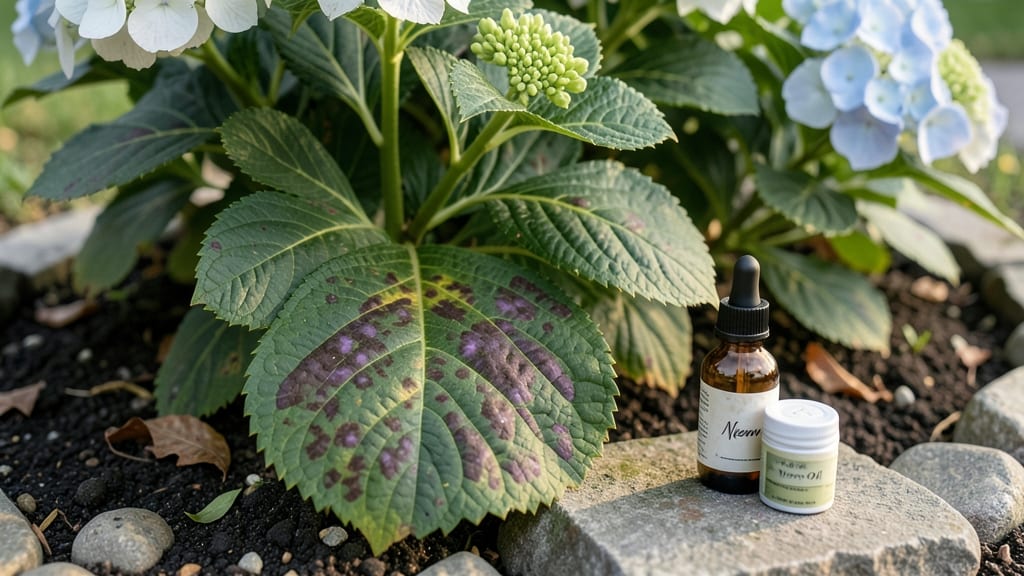
Those mysterious purple spots on your hydrangea leaves aren’t just ugly—they’re a warning sign your plant’s fighting something serious. 🌿 I’ve seen this exact issue ruin entire shrubs when ignored, but the good news? Most cases respond quickly to the right fix once you know what’s causing it.
The culprits run the gamut: fungal infections like anthracnose or leaf spot, nutrient imbalances (especially phosphorus or magnesium), or environmental stress from soggy soil or sudden temperature swings.
The key is checking leaf undersides for fuzzy growth, examining stems for dark streaks, and noting whether spots spread fast or stay isolated. With proper pruning, targeted treatments, and soil adjustments, you can restore that vibrant green within weeks.
I’ve revived hydrangeas with 90%+ spot clearance using just three simple steps—no harsh chemicals required. Prevention is where it gets easy: better spacing, smarter watering, and regular monitoring keeps future outbreaks from becoming a problem. Let’s get your hydrangeas back to their showstopping best.
Root Causes Of Leaf Discoloration
Understanding why your hydrangea leaves develop unsightly purple spots starts with identifying the primary triggers—each with distinct symptoms and underlying mechanisms. Below, we break down the science behind these issues, so you can diagnose and treat the problem effectively.
---
Fungal diseases like anthracnose or powdery mildew thrive in hydrangeas when conditions are damp and warm. These pathogens release spores that land on leaves, where they penetrate leaf tissue through natural openings (like stomata) or wounds.
Once inside, fungi disrupt the plant’s chlorophyll production and nutrient transport, causing purple or brown spots.
- Key Indicators: - Spots often appear raised, velvety, or powdery (powdery mildew) or sunken with yellow halos (anthracnose). - Leaves may crinkle, curl, or drop prematurely. - Fungal growth worsens in shady, humid environments (e.g., dense foliage, poor airflow).
- Why It Happens: - Overhead watering spreads spores directly onto leaves. - High humidity (above 75%) and cool nights create ideal fungal conditions. - Stressed plants (from overwatering, poor soil, or nutrient deficiency) are more susceptible.
---
Purple spots can also signal nutritional stress, particularly a lack of phosphorus, magnesium, or potassium. These micronutrients play critical roles in photosynthesis and enzyme function, and their deficiency disrupts leaf pigmentation.
- Key Indicators: - Spots appear purple-red between leaf veins (phosphorus deficiency) or as interveinal yellowing with purple edges (magnesium deficiency). - New growth is stunted or weak. - Soil tests often reveal low organic matter or compacted roots.
- Why It Happens: - Acidic or alkaline soil locks out essential nutrients (e.g., phosphorus binds tightly in alkaline soils). - Over-fertilizing with nitrogen (without balancing micronutrients) starves roots of other critical elements. - Poor drainage prevents roots from accessing nutrients efficiently.
---
Hydrangeas are sensitive to sudden temperature shifts and intense sunlight, especially in hot afternoons or late spring frosts. When leaves are exposed to UV radiation or cold stress, they produce anthocyanins (purple pigments) as a protective response—similar to how red cabbage turns purple when stressed.
- Key Indicators: - Spots appear on sun-exposed sides of leaves (e.g., southern or western faces). - Leaves may wilt, crisp, or develop a papery texture. - Damage is often worse in early morning or late afternoon.
- Why It Happens: - Lack of afternoon shade in full-sun climates causes oxidative stress in leaf cells. - Rapid temperature swings (e.g., frost followed by warm sun) disrupt cellular membranes. - Windburn (from dry, gusty conditions) dries leaf surfaces, making them vulnerable.
---
Certain pests, like aphids, spider mites, or Japanese beetles, feed on hydrangea leaves, injecting toxins or rasping cells to extract sap. This mechanical damage triggers the plant’s defense response, often manifesting as purple or brown spots.
- Key Indicators: - Tiny holes, stippling, or webbing on leaves. - Sticky residue (honeydew) from aphids, attracting sooty mold. - Visible pests (e.g., beetles, mites) on stems or undersides of leaves.
- Why It Happens: - Drought-stressed plants attract pests seeking moisture. - Overcrowded hydrangeas provide shelter for insects. - Chemical sprays (even organic ones) can disrupt beneficial predators, allowing pests to thrive.
--- Pro Tip: 💡 To narrow down the cause, examine the underside of leaves for fungal growth, pests, or webbing—and check the soil pH (ideal range: 5.2–6.2 for hydrangeas).
How to Fix Purple Spots Fast
Now that you’ve identified why your hydrangea leaves are developing those unsightly purple spots, it’s time to take action. The good news? Most causes have straightforward fixes—some require a little elbow grease, while others just need patience.
Below, we’ve mapped out targeted solutions for each common culprit, along with prevention tips to keep your hydrangeas thriving. Let’s get those leaves back to their vibrant best!
---
Fix: Fungal infections thrive in damp, shaded conditions, so your first move is to improve airflow and reduce moisture.
1. Prune for Better Airflow 🔪 - Remove overcrowded branches and thin out dense foliage to let sunlight and air circulate. - Trim back any dead or heavily infected leaves (sterilize pruners with rubbing alcohol between cuts).
2. Apply Fungicide 🛡️ - Use a copper-based fungicide (like copper sulfate) or a neem oil spray (1 tsp neem oil + 1 tsp mild soap per quart of water).
Reapply every 7–10 days until new growth appears. - For organic options, try a baking soda spray (1 tbsp baking soda + 1 quart water + a few drops of soap).
3. Adjust Watering Habits 💧 - Water early in the morning (not at night) to allow leaves to dry quickly. - Avoid overhead irrigation—use drip irrigation or soaker hoses instead.
Prevention Tips: ✨ Space plants 3–4 feet apart to prevent humidity buildup. ✨ Mulch properly (2–3 inches of organic mulch) to regulate soil moisture without smothering roots. ✨ Avoid planting hydrangeas in low-lying areas where water pools.
---
Fix: If your hydrangeas are getting too much direct sun, they’ll need shade relief and hydration boosts.
1. Provide Afternoon Shade 🌳 - Move potted hydrangeas to a shadier spot (especially in peak summer). - For in-ground plants, install lightweight shade cloth (30–50% coverage) if full sun is unavoidable.
2. Deep Water Regularly 💦 - Water deeply 2–3 times per week (instead of light daily watering) to encourage strong root growth. - Mulch heavily (3–4 inches) to retain moisture and protect roots from temperature swings.
3. Fertilize for Heat Tolerance 🌱 - Switch to a balanced, slow-release fertilizer (like 10-10-10) in early summer to support recovery. - Avoid high-nitrogen fertilizers, which can stress plants further.
Prevention Tips: 💡 Choose heat-tolerant varieties like Hydrangea macrophylla ‘Endless Summer’ if you live in a hot climate. 💡 Group hydrangeas with taller plants to create natural shade for younger growth.
---
Fix: Pests weaken leaves, making them susceptible to discoloration. Knock them out fast with these steps:
1. Blast Off Pests 💦 - Spray leaves thoroughly with a strong stream of water to dislodge mites and aphids. - For stubborn infestations, use insecticidal soap (1.5 tbsp per gallon of water) or horticultural oil.
2. Introduce Beneficial Insects 🐞 - Release ladybugs or lacewings (available at garden centers) to eat aphids naturally. - Plant marigolds or dill nearby to attract predatory insects.
3. Remove Heavy Infestations 🧹 - Wipe leaves with a soapy cloth (mix 1 tsp mild soap in 1 quart water) for severe cases. - Quarantine affected plants until pests are gone to prevent spread.
Prevention Tips: 🔥 Inspect new plants before bringing them home—quarantine for a week to spot hitchhiking pests. 🔥 Encourage biodiversity in your garden to keep pest populations in check.
---
Fix: Purple spotting from deficiencies is often a quick fix with the right amendments.
1. Test Your Soil 📊 - Use a DIY soil test kit (or send a sample to a local extension office) to confirm if magnesium (Mg) or potassium (K) is low.
2. Add Epsom Salt for Magnesium 💊 - Dissolve 1 tbsp Epsom salt in 1 gallon of water and spray on leaves (or water at the base). - Repeat every 2–4 weeks until spots fade.
3. Use a Potassium-Rich Fertilizer 🌿 - Switch to a potassium sulfate or banana peel tea (soak peels in water for 24 hours, then dilute 1:1 with water). - Apply granular 0-0-52 fertilizer (high in potassium) in early summer.
Prevention Tips: 🌡️ Avoid over-fertilizing with nitrogen—it can lock out other nutrients. 🌡️ Mulch with compost annually to maintain balanced soil nutrition.
--- No matter the root issue, these universal tips will help your hydrangeas bounce back:
- Deadhead spent blooms to redirect energy to leaf recovery. - Avoid pruning during stress—wait until new growth appears. - Monitor daily for 2–3 weeks to adjust care as needed.
--- Final Pro Tip: 🎯 Document progress with photos! Snap a “before” shot, then check back in 2 weeks to see improvements. If spots persist, revisit your diagnosis—sometimes multiple issues overlap.
With these fixes, your hydrangeas should be spot-free and flourishing in no time. Happy gardening! 🌸
Frequently asked questions
Why do hydrangea leaves turn purple in spots instead of all over?
Purple spots usually develop in isolated areas because the plant is responding to localized stress. Fungal infections often start as small spots before spreading, while nutrient deficiencies (like magnesium) first appear between leaf veins. Environmental stress from sunburn or pests also targets specific leaf zones first.
Can I save my hydrangea if half the leaves have purple spots?
Yes! Act quickly by pruning affected leaves and addressing the root cause (fungus, pests, or nutrient issues). With proper care, healthy new growth will emerge within 2-4 weeks. Focus on improving airflow, adjusting watering, and applying targeted treatments to prevent further spread.
Is Epsom salt safe to use if I'm not sure about magnesium deficiency?
Epsom salt is generally safe in small doses, but test your soil first to confirm magnesium levels. For a quick fix, mix 1 tablespoon per gallon of water and apply monthly. Overuse can actually harm plants by altering soil chemistry, so monitor leaf improvement closely.
Will moving my hydrangea to shade stop the purple spots?
It might help if sunburn is the cause, but shade alone won't fix fungal issues or nutrient deficiencies. Combine shade relief with proper watering and targeted treatments. For severe cases, test soil pH and adjust care based on the actual diagnosis rather than guessing.
How do I know if my hydrangea's purple spots are from pests or disease?
Check leaf undersides for webbing (spider mites), sticky residue (aphids), or fuzzy growth (fungus). Pests often leave visible damage like holes or stippling, while diseases typically show powdery coatings or yellow halos around spots. Examine stems too for signs of borers or beetle damage.