
Aphids
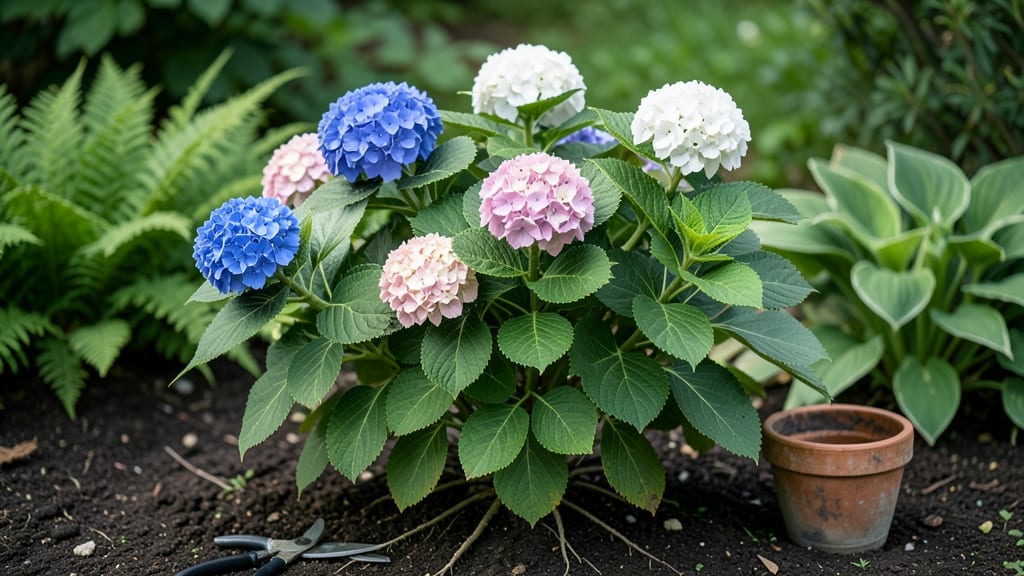
Hydrangeas come in vibrant colors including pink, blue, purple, white, green, and red, with variations depending on soil pH, variety, and blooming stage. Some types even change hues seasonally or with age.
Hydrangeas are nature's chameleons in the garden, offering a stunning spectrum of hues that can shift based on soil conditions and plant maturity. 🌸 The most eye-catching varieties like Endless Summer and Nikko Blue can produce blooms ranging from soft lavender to deep cobalt, while panicle hydrangeas often transition from white to blush or even burgundy as they age.
What's fascinating is how some varieties—such as Hydrangea arborescens—maintain consistent colors regardless of soil pH, making them ideal for gardeners who want predictable results.
Beyond the classic pinks and blues, modern hybrids have expanded the palette to include emerald green and crimson red options, proving these flowers are far more versatile than their traditional reputation suggests.
The secret lies in their ability to absorb aluminum in acidic soils, which intensifies blue tones, while neutral pH tends to produce pink flowers—a fact that lets you essentially "paint" your garden by adjusting soil chemistry.
💡 In This Article
- How Soil pH Affects Hydrangea Flower Colors
- Top Hydrangea Varieties by Color and Blooming Season
How soil pH affects Hydrangea flower colors
The color magic of hydrangeas starts with soil chemistry, specifically the pH level and aluminum availability. In acidic soils (pH < 6.0), hydrangeas absorb more aluminum, which triggers the production of delphinidin, a pigment that creates deep blues and purples.
For example, the Nikko Blue variety thrives in soil with pH 5.5-6.0, producing striking cobalt blooms that can reach 12-15 inches in diameter. 🌿 Meanwhile, neutral to slightly alkaline soils (pH 6.0-7.0) promote the formation of cyanidin, resulting in soft pinks and reds.
This color-shifting phenomenon isn't just theoretical—it's measurable. Gardeners often test soil pH using simple litmus paper kits or digital meters that provide readings in 0.1 increments. For instance, lowering soil pH by just 0.5 points (from 6.5 to 6.0) can transform pink Endless Summer blooms into vibrant blues.
The process involves adding elemental sulfur (to acidify) or lime (to raise pH), with results visible within 4-6 weeks of treatment.
What most gardeners don't realize is that aluminum isn't the only factor—calcium and magnesium also play supporting roles. These minerals help regulate cell structure, which affects how pigments are distributed throughout the petals.
For example, Hydrangea macrophylla varieties like Blue Wave develop their signature blue hues only when aluminum is present AND the soil remains consistently moist. Drought conditions can disrupt this process, leading to faded or inconsistent colors. 💧
There's a practical limit to how much you can manipulate colors through pH. While you can push blues toward deeper tones by maintaining pH < 5.5, attempting to create true red hydrangeas requires selecting specific varieties like Hydrangea paniculata 'Limelight', which naturally produces burgundy blooms regardless of soil conditions.
The science shows that some colors are genetically predetermined, while others remain pH-dependent.
For gardeners aiming for specific shades, timing matters too. Adjust soil pH 6-8 weeks before blooming season to allow roots to adapt. A 1-inch layer of pine bark mulch can help maintain acidic conditions naturally, while wood ash (a natural lime source) raises pH gradually.
The key is patience—hydrangeas respond to soil changes over time, not overnight. 🌱
Beyond aesthetics, understanding this pH-color relationship helps diagnose common issues. Pale or washed-out blooms often signal improper pH levels or aluminum deficiency. Conducting a soil test every 2-3 years ensures you're providing the optimal growing conditions for your desired color palette. The result? A garden that changes with the seasons—literally.