
Planting
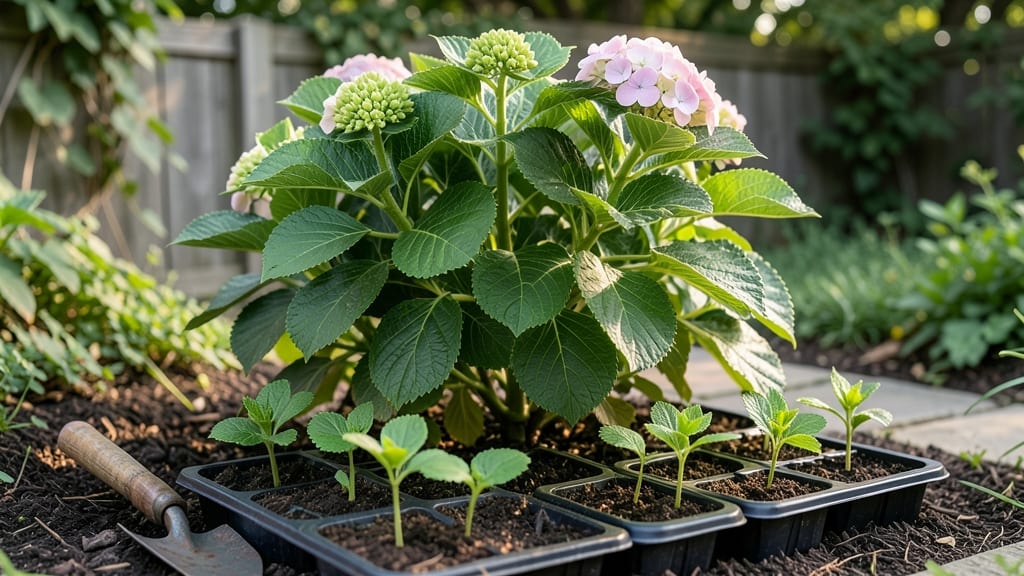
Planting hydrangeas at the wrong time of year can turn your dream shrub into a sad, stunted mess—so timing matters more than you’d think.
Picture this: You’ve picked out the perfect 🌸 hydrangea, but if you plant it too early in cold zones or too late in warm ones, the roots struggle to establish before the next frost or heatwave. That’s why knowing your USDA zone is the first step to success.
In most of the U.S., the ideal window is April–May or September–October, but the exact month depends on whether you’re in frost-prone Zone 6a or a milder climate. This guide breaks it down by region—plus pro tips to keep your hydrangeas thriving year after year.
You’ll learn how to prep soil, spot the best sunlight, and avoid common mistakes that kill new plants. Let’s get those roots settled for vibrant blooms next season!

Best months to plant hydrangeas by USDA zone (with exact dates)
Timing your hydrangea planting wrong can mean the difference between vibrant blooms and a struggling shrub—so knowing the exact months for your USDA zone is critical for success.
Hydrangeas thrive when planted during their active growth windows, but the ideal timing shifts dramatically from cool northern climates to warm southern regions. Let’s break down the zone-specific planting calendar to ensure your hydrangeas take root and flourish.
Most gardeners focus on spring planting, but fall offers a second chance—especially in warmer zones where summer heat stresses young plants. The key is understanding your last frost date and soil temperature thresholds.
For example, in Zone 3, you’ll wait until late spring, while Zone 9 gardeners can plant in late summer to avoid summer dormancy. Let’s dive into the details.
Here’s a zone-by-zone breakdown of the best months to plant hydrangeas, including bare-root vs. container-grown differences and late-season alternatives for warm climates.
For bare-root hydrangeas, timing is especially critical. In Zones 3–5, planting too early risks frost damage, while Zones 8–11 can handle late-summer transplants if you provide shade and consistent moisture.
Container-grown hydrangeas offer more flexibility, as their roots are already established. I recommend planting them 1–2 weeks earlier than bare-root varieties to reduce transplant shock.
If you live in a warm climate (Zones 8–11), late-summer planting can be a game-changer. The key is to water deeply every 2–3 days and use shade cloth during the hottest hours.
Oakleaf hydrangeas, in particular, thrive in this scenario—their heat tolerance makes them ideal for Zone 9+ gardens planted in July or August.
One common mistake is assuming all hydrangeas follow the same rules. Bigleaf hydrangeas (like Endless Summer) prefer spring planting in cooler zones, while panicle hydrangeas (such as Limelight) can handle late-summer heat better. Always check your specific variety’s USDA zone range and light requirements before planting.
Pro tip: Use a soil thermometer to confirm soil temperatures are above 50°F before planting bare-root hydrangeas. In Zones 3–5, this often means waiting until late May or early June. For container-grown plants, you can plant 2–3 weeks earlier since their roots are less sensitive to cold.
Remember, hydrangeas planted in fall establish roots before winter, giving them a head start in spring. In Zones 6–9, aim for September–October planting to avoid summer heat stress. Always mulch heavily after planting to protect roots during temperature swings.
For first-time hydrangea growers, I recommend starting with container-grown plants in spring. They’re more forgiving and give you a clear visual of the plant’s health before transplanting.
If you’re in a hot, dry climate, prioritize morning sun and afternoon shade to prevent leaf scorch and blooms drying out.
Now that you know the exact planting windows for your zone, your hydrangeas are one step closer to showstopping blooms next season! 🌸
How to prepare your hydrangeas for planting (soil, location, and timing hacks)
Planting hydrangeas successfully starts long before you dig that first hole. The soil pH, sunlight exposure, and even how you acclimate container-grown plants can make or break your shrub's first year.
I’ve learned that bigleaf hydrangeas (the ones with dramatic blue or pink blooms) are especially finicky about their environment—getting these details right ensures your plant thrives instead of struggling.
First, let’s talk soil preparation. Hydrangeas love rich, moist but well-draining soil with plenty of organic matter. If your garden soil is heavy clay or sandy, amend it with compost or peat moss to improve texture and water retention.
For color control, test your soil’s pH—aim for 5.5–6.0 for blue blooms or 6.0+ for pink flowers. You can adjust pH with sulfur (to lower) or lime (to raise) before planting.
Location matters just as much as soil. Most hydrangeas prefer partial shade—think morning sun and afternoon shade—to protect their delicate blooms from scorching. Panicle hydrangeas (like 'Limelight') are exceptions—they thrive in full sun and can handle more heat. Oakleaf varieties are the most adaptable, tolerating both sun and shade but producing their best fall foliage in sunny spots.
🌸 Key Takeaway: When to Plant Hydrangeas
- 📅 Spring Planting: April–May (after last frost, soil 50°F+)
- 🍂 Fall Planting: September–October (6 weeks before first frost)
- 🌡️ Warm Climates: Late summer (August) for oakleaf varieties
- ⚠️ Avoid: Planting in freezing soil (Zones 3–5) or peak summer heat
Pro Tip: Container-grown hydrangeas can be planted anytime soil isn’t frozen, but bare-root plants need cooler weather for root establishment.
Timing your planting is just as critical as the location. In cooler climates (Zones 3–6), I always opt for spring planting (April–May) to give roots time to establish before winter. For warmer zones (7–9), fall planting in September–October works best, allowing roots to grow before summer heat arrives.
If you’re in a hot, dry climate, late summer (August) is ideal for oakleaf hydrangeas, which handle transplant shock better in cooler weather.
Before planting, harden off container-grown hydrangeas if they’ve been indoors or in a greenhouse. Gradually expose them to outdoor conditions over 7–10 days by moving them to a shaded spot for increasing lengths of time.
This helps prevent transplant shock, which can stress young plants. For bare-root hydrangeas, soak the roots in water for 1–2 hours before planting to rehydrate them—this jumpstarts root growth.
One common mistake I see is pruning new hydrangeas too soon. Never prune in the first year—let the plant focus on root and stem growth.
If you’re dealing with bigleaf hydrangeas, wait until late winter or early spring to prune old wood, and avoid cutting back panicle hydrangeas until after they bloom. Proper pruning timing ensures you don’t accidentally remove next year’s flowers.
Finally, mulch heavily after planting to retain moisture and regulate soil temperature. Use 2–3 inches of organic mulch (like shredded bark or straw) and keep it 6 inches away from the stem to prevent rot. Water deeply once a week for the first month, then taper off as roots establish.
With these soil, location, and timing hacks, your hydrangeas will be off to a strong start—ready to reward you with show-stopping blooms next season. 🌿