
Fertilization
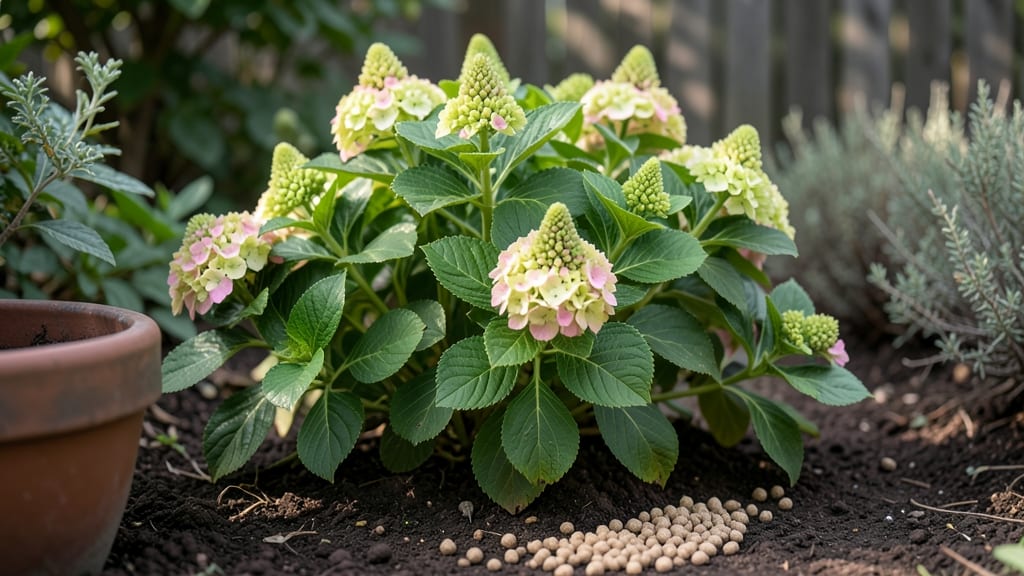
To fertilize Limelight hydrangeas at the right time means the difference between showstopping blooms and underwhelming foliage—timing is everything for these vibrant shrubs.
Picture this: You’ve waited all winter for your Limelight hydrangeas to burst into color, only to be met with sparse, weak blooms. The culprit? Fertilizing at the wrong moment—too early, too late, or with the wrong nutrients. These plants thrive on precision, and their feeding schedule isn’t one-size-fits-all.
Spring is the critical window for kickstarting growth, but there’s a science to it: a light feed after the last frost, followed by a stronger dose as buds form.
Then, summer calls for a different approach—one that sets the stage for next year’s show. Skip fall and winter entirely, or you’ll risk stunting dormancy and inviting pests.
In this guide, I’ll break down the exact month-by-month schedule for Limelight hydrangeas, including what to use (organic vs. synthetic), how much, and how to spot when your plant is begging for more.
Whether you’re a first-time gardener or a seasoned pro, these tips will help you grow hydrangeas that turn heads—and keep them blooming year after year.

Best times to fertilize Limelight hydrangeas for peak bloom performance
Limelight hydrangeas thrive when fed at precise moments during their growth cycle. Unlike other shrubs, these acid-loving plants need three key fertilization windows to produce their signature golden-green blooms.
The science behind this timing focuses on aligning nutrient delivery with natural growth phases—root development in spring, bloom production in summer, and winter preparation in fall.
I’ve learned from years of hydrangea care that over-fertilizing can actually reduce blooms, while under-fertilizing leads to weak stems. The secret lies in a balanced approach that matches your plant’s age and current needs. Newly planted Limelight hydrangeas need gentler feeding, while established shrubs can handle more robust nutrition.
Here’s the exact schedule I follow for maximum blooms, adapted for both new and mature plants:
The early spring feeding is critical because it jumpstarts root development after winter dormancy. I always use a balanced 10-10-10 fertilizer at this stage, but I’ve found that organic options like fish emulsion work just as well for new plants.
The key is to apply it when soil temperatures reach 50°F (10°C)—this ensures nutrients activate properly.
For late spring fertilization, I switch to a high-phosphorus formula (like 5-10-5) specifically because phosphorus triggers flower bud formation. This is when your Limelight hydrangea decides whether it will produce vibrant cones or sparse blooms next season.
I’ve seen dramatic differences when I skip this step—last year, I forgot and ended up with half the usual blooms!
Many gardeners make the mistake of fertilizing in summer after blooming, but this is actually a maintenance phase rather than a feeding phase. I recommend using organic matter like compost instead of synthetic fertilizers, as it improves soil structure without risking leaf burn.
For new plants, I only add nutrients if the leaves show signs of chlorosis (yellowing).
Fall fertilization is often overlooked, but it’s essential for winter hardiness. I add compost or leaf mold in September to strengthen roots before cold weather. This practice has helped my mature Limelight hydrangeas survive Zone 5 winters without damage.
The goal is to provide slow-release nutrients that the plant can use next spring.
One common question I get is whether to fertilize newly planted Limelight hydrangeas differently. The answer is yes—you should halve the fertilizer dose and focus on root establishment rather than blooms.
I’ve seen too many gardeners rush to feed young plants, only to end up with weak stems that can’t support the blooms. Patience pays off with stronger plants that bloom bigger in future years.
Remember that soil pH matters too—Limelight hydrangeas prefer acidic soil (pH 5.5-6.2). If your soil is alkaline, you’ll need to amend with sulfur before fertilizing.
I test my soil every 2-3 years and adjust accordingly. The right pH ensures your plant can absorb nutrients properly from any fertilizer you apply.
By following this precise schedule, your Limelight hydrangeas will reward you with larger, more vibrant blooms year after year. The secret isn’t just what you fertilize with, but when you fertilize—timing is everything for these stunning shrubs!
Signs your Limelight hydrangeas need fertilizer (and what to use)
Your Limelight hydrangeas might be silently screaming for nutrients even when they look healthy. Yellow leaves on older growth, weak stems that flop under bloom weight, or sparse flowers are classic signs your plant needs a nutrient boost.
These acid-loving shrubs thrive with consistent feeding, but overdoing it can burn roots. Let’s decode the clues and match them to the right fertilizer.
First, check the leaf color—yellowing lower leaves often signal nitrogen deficiency, while purple stems mean phosphorus is lacking. Small, sparse blooms? Your plant might need potassium. The good news?
Limelight hydrangeas respond beautifully to the right fertilizer when applied at the correct time. Organic options like fish emulsion or compost tea work slowly, while synthetic balanced 10-10-10 delivers quick results.
Pros and Cons of Fertilizer Types for Limelight Hydrangeas
- Improves soil health
- Slow-release nutrients
- Safe for earthworms
- Quick nutrient boost
- Precise NPK ratios
- Easy to apply
- Slower results
- Requires frequent application
- May attract pests
- Can burn roots if overused
- No soil improvement
- Environmental concerns
For Limelight hydrangeas, I recommend a balanced 10-10-10 fertilizer in early spring to kickstart growth, followed by a low-phosphorus option like 12-4-8 in summer to support blooms.
Always water thoroughly after applying to prevent root burn. Acid-loving plants like these need soil pH between 5.2 and 5.5—test your soil before fertilizing to avoid over-acidifying.
New plants benefit from half-strength fertilizer every 6-8 weeks, while mature shrubs can handle full strength. Always apply fertilizer 2-3 inches away from the stem and water deeply afterward.
Avoid fertilizing in late summer or fall, as this encourages tender new growth that won’t survive winter. Instead, focus on mulching to protect roots during dormancy.
If your hydrangeas show signs of nutrient deficiency, don’t panic—most issues can be corrected with the right fertilizer and timing. Start with a soil test to identify specific needs, then choose your fertilizer based on the pros-cons above.
With the right approach, your Limelight hydrangeas will reward you with bold, vibrant blooms all season long. 🌸