
Plants
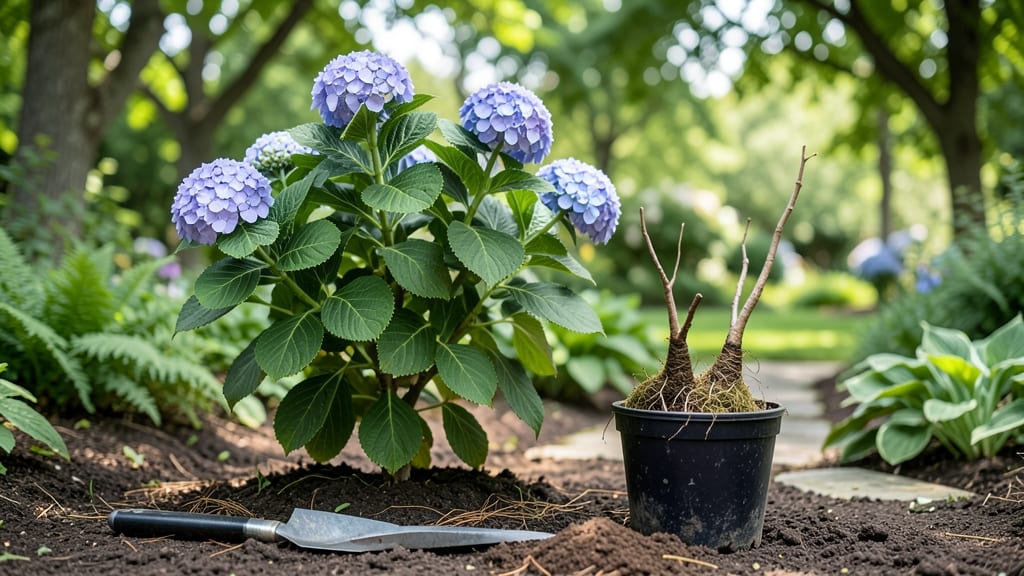
Plant hydrangeas in Kentucky during April–May or September–October to align with soil warmth and frost-free windows.
Kentucky’s humid summers and mild winters create the perfect climate for hydrangeas—but planting them at the wrong time can mean wilted blooms or stunted growth. Mastering the ideal timing in USDA Zone 7b ensures your 🌸 thrives from the first flush of spring to the last frost.
Spring planting gives roots time to establish before summer heat, while fall offers cooler soil and fewer pests. The key is avoiding Kentucky’s unpredictable late frosts, which can damage tender new growth if you plant too early.
Below, I’ll break down the best months for your region, soil prep tips, and how to adjust for container vs. in-ground planting—so you can enjoy vibrant blooms year after year.
Best planting months for hydrangeas in Kentucky’s Zone 7b climate
Kentucky’s Zone 7b climate offers two perfect windows for planting hydrangeas: early spring and fall. The key is timing—plant too early, and frost can damage tender roots; too late, and your hydrangea won’t establish before winter.
In my experience, April to May and September to October are the goldilocks zones for success.
For spring planting, aim for when soil temperatures consistently stay above 50°F (10°C). This usually aligns with Kentucky’s average last frost date around April 15, but microclimates vary—mountain regions may wait until late April, while river valleys can plant as early as mid-April.
Fall planting, on the other hand, should wrap up by mid-October to allow roots to establish before winter dormancy.
Each hydrangea variety has its own preferences. Bigleaf hydrangeas, like 'Endless Summer,' prefer late spring planting (May) to avoid early-season stress.
Meanwhile, Panicle hydrangeas (e.g., 'Little Lime') are more forgiving and can handle fall planting better due to their cold hardiness. Oakleaf hydrangeas thrive in both windows but need extra mulch in spring to protect roots from Kentucky’s unpredictable frost returns.
Kentucky’s microclimates play a huge role. In the Bluegrass Region, where humidity lingers, I’ve seen hydrangeas planted in late April flourish, while in western Kentucky’s Pennyrile areaMarch sometimes work due to warmer microclimates.
Always check your local Cooperative Extension Service for frost data—my go-to is the UK Ag Weather Center for real-time updates.
One mistake I see often is planting Bigleaf hydrangeas too early in March. The soil may feel warm, but roots can still suffer from late frosts. To test, stick a thermometer in the ground—if it’s below 50°F (10°C) at 6 inches deep, wait.
For container-grown hydrangeas, I recommend planting in late May to give them a head start in pots before transplanting.
Fall planting has its perks, especially in Kentucky’s clay-heavy soils. Planting in September gives roots time to establish before winter, and the cooler temperatures reduce stress. I’ve had Oakleaf hydrangeas planted in early October survive winters unscathed, thanks to their native adaptability.
Just remember to water deeply after planting and apply a 2-3 inch mulch layer to insulate roots.
If you’re in a warmer microclimate, like near the Cumberland River, you might push fall planting into mid-October. But in eastern Kentucky’s higher elevations, I’d pull back to early September to avoid winter dieback.
Always consider your last frost date—Kentucky’s ranges from April 15 to May 1, depending on location.
Pro tip: If you miss the ideal windows, don’t despair. Bare-root hydrangeas can sometimes be planted in early spring (March) if you
How to prepare for hydrangea planting in Kentucky’s spring vs. fall
Kentucky’s clay-heavy soils and humid climate demand special preparation when planting hydrangeas. Unlike many plants, hydrangeas thrive with moisture-retentive soil but hate soggy roots, making spring and fall prep critical. I’ve learned the hard way—skipping soil amendments or mulching leads to stunted growth and blossom failure.
Spring plantings in Kentucky’s Zone 7b should begin after the last frost (typically mid-April), while fall plantings benefit from cooler soil by late September. Both seasons require soil testing and organic matter to combat Kentucky’s naturally dense clay. Let’s break down the seasonal differences and essential steps.
Planting hydrangeas too early in spring (before April 15) risks frost damage to tender roots. Fall plantings must occur 6-8 weeks before first frost (late September) to allow root establishment. Use frost blankets if planting early spring varieties like Oakleaf hydrangeas.
For spring planting, focus on amending heavy clay with compost or peat moss to improve drainage. I mix in aged manure (2-3 inches) and work it into the top 12 inches of soil.
Hydrangeas also need partial shade—Kentucky’s summer heat can scorch leaves, so choose a spot with morning sun and afternoon shade.
Mulching is non-negotiable in Kentucky’s hot summers and freezing winters. Apply 3-4 inches of mulch (wood chips or shredded bark) around the base, keeping it 2 inches away from the stem.
This retains moisture and regulates soil temperature. In spring, I top-dress with slow-release fertilizer (10-10-10) to kickstart growth.
Fall plantings offer advantages: cooler soil reduces transplant shock, and hydrangeas establish roots before winter. I prioritize well-draining soil and avoid fertilizing in fall—new growth before frost can kill tender stems. Instead, focus on watering deeply (1-2 inches per week) until the ground freezes.
Both seasons require consistent moisture. Kentucky’s humidity means hydrangeas need deep watering (1-2 gallons per plant) every 5-7 days, more in summer. Use drip irrigation to avoid wetting foliage, which promotes fungal diseases like powdery mildew—a common issue in our damp climate.
Pro tip: Test your soil’s pH level—hydrangeas thrive in acidic soil (5.2-6.0). If your Kentucky soil is alkaline, amend with sulfur or pine needles for vibrant blooms. With the right prep, your hydrangeas will reward you with lush foliage and showstopping flowers year after year. 🌸