
Pruning
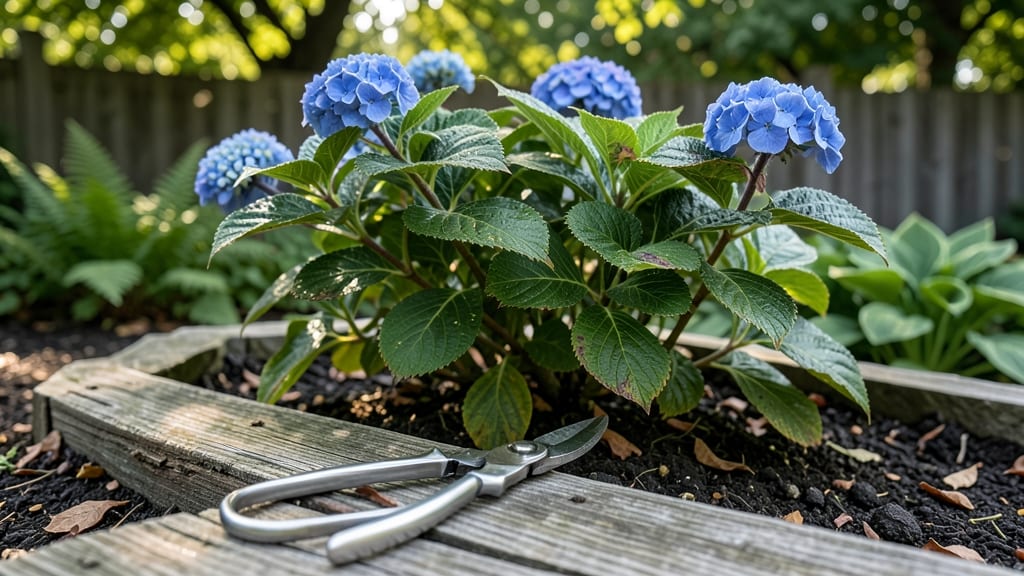
To prune hydrangeas in Pennsylvania at the right time means bigger blooms and healthier plants 🌸 — and missing that window can leave you with sparse or no flowers at all.
Picture this: you’ve waited all year for those showstopping hydrangea blooms, only to realize you pruned too early or too late. In Pennsylvania’s USDA Zones 5-7, timing isn’t just a suggestion—it’s the difference between a lush, vibrant shrub and one that struggles to recover.
Most gardeners assume late winter or early spring is the only time to prune, but that’s not always true. Some hydrangeas bloom on old wood, while others thrive with new growth, and Pennsylvania’s unpredictable frost dates add another layer of complexity.
In this guide, I’ll break down the exact months to prune each variety—mophead, panicle, oakleaf, and lacecap—plus pro tips to avoid common mistakes and keep your hydrangeas flourishing year after year.
Best months to prune hydrangeas in Pennsylvania by variety type
Pennsylvania’s variable frost dates and four distinct seasons make hydrangea pruning tricky. The wrong timing can delay blooms or even prevent flowers entirely. Unlike tropical climates, PA’s USDA Zones 5-7 demand precise pruning schedules tailored to each hydrangea variety.
Let’s break down the ideal months for pruning mophead, lacecap, panicle, and oakleaf hydrangeas to ensure maximum blooms next season.
Most gardeners assume late winter is the only time to prune, but that’s only true for some varieties. For example, mophead hydrangeas bloom on old wood and should never be pruned until after flowering.
Meanwhile, panicle hydrangeas thrive when pruned in late winter to encourage new growth blooms. Understanding these differences is critical for PA gardeners facing unpredictable frost dates.
Here’s the comparison-table showing the best pruning months for each hydrangea type in Pennsylvania, accounting for frost dates and bloom cycles:
For mophead and lacecap hydrangeas, the critical rule is to never prune in late winter. These varieties rely on last year’s buds to produce flowers, and cutting them back too early means no blooms in summer.
Instead, wait until June or July, after the flowers have faded, to remove dead stems and shape the plant. This timing aligns perfectly with PA’s summer heat, giving the plant time to recover before fall.
On the other hand, panicle hydrangeas are the most forgiving for late winter pruning. Since they bloom on new wood, cutting them back in February or March (before buds swell) encourages bushier growth and larger flower clusters.
This is ideal for PA gardeners because it avoids the risk of late frosts damaging tender new growth. Think of it as a reset button—you’re removing last year’s spent stems to make room for this year’s vibrant blooms.
Oakleaf hydrangeas offer a middle-ground approach, making them a favorite for PA’s unpredictable climate. You can prune them either in late winter (like panicle types) or after blooming in summer (like mophead types). The key is to never remove more than 25% of the plant in one season, as oakleaf hydrangeas rely on a mix of old and new wood for their stunning foliage and flowers. In PA’s Zone 6, this flexibility helps avoid frost-related stress.
One common mistake I see in PA gardens is pruning too late in spring. By May or June, hydrangeas have already started forming buds for next year. Cutting them back then can stunt growth and reduce flower size. Always check the variety first—if
Pennsylvania-specific pruning tips for year-round hydrangea health
Pennsylvania’s variable climate—from early spring frosts in the Poconos to humid summers in the Pittsburgh region—demands a flexible approach to hydrangea pruning. Unlike milder climates, late pruning here can trigger new growth that won’t survive fall freezes, leaving you with bare stems.
Understanding your local microclimate is key to avoiding this common mistake.
Most gardeners in PA focus on late winter or early spring pruning, but oakleaf hydrangeas and panicle types often need a second look in summer to correct overgrowth.
The trick is balancing bloom timing with hardiness zones—what works in Philadelphia’s Zone 7b might fail in Erie’s Zone 5b. Let’s break down how to adapt your pruning schedule to Pennsylvania’s unique conditions.
⚠️⚠️ Late Pruning in PA = Risky Business
Pruning after June 15 in Pennsylvania’s Zone 5-7 can stunt next year’s blooms for mophead and lacecap varieties. New growth from late cuts may not harden off before fall frosts (as early as October 1 in northern PA). Panicle hydrangeas are more forgiving but still benefit from early spring pruning to avoid winter dieback.
Start by identifying your hydrangea type—this determines your pruning window. For example, mophead hydrangeas (like Endless Summer) bloom on old wood, so prune only after they’ve finished flowering, usually in late July.
Meanwhile, panicle hydrangeas (like Limelight) bloom on new wood, making them ideal for late winter pruning (February-March) when they’re still dormant.
PA’s early spring frosts can catch gardeners off guard, especially in mountain regions where temperatures drop below 20°F. To protect your hydrangeas, wait until after the last frost date (typically mid-April in most of PA) before pruning late-blooming varieties.
Use a thermometer to monitor nighttime temps—if they dip below 32°F, delay pruning until conditions stabilize.
Mid-season pruning is often necessary in Pennsylvania to correct overgrowth or shape sprawling plants. If your hydrangea looks top-heavy or has bare stems, prune back up to 1/3 of the plant in early June to encourage bushier growth.
Focus on removing crossing branches and dead wood—this improves airflow and reduces fungal diseases like powdery mildew, which thrives in PA’s humid summers.
After pruning, mulch around the base with 3-4 inches of organic mulch (like shredded bark) to insulate roots during winter freezes. Water deeply once a week during the growing season (April-October) to help new growth establish.
In drought-prone areas (like southwestern PA), consider installing drip irrigation to maintain consistent moisture without overwatering.
Remember, Pennsylvania’s diverse climate zones mean your neighbor’s pruning schedule might not work for you. Observe your plant’s growth and adjust timing accordingly—healthier stems and bigger blooms are the ultimate reward for getting it right. With these tips, your hydrangeas will thrive year-round, even in PA’s unpredictable weather! 🌿