
Pests
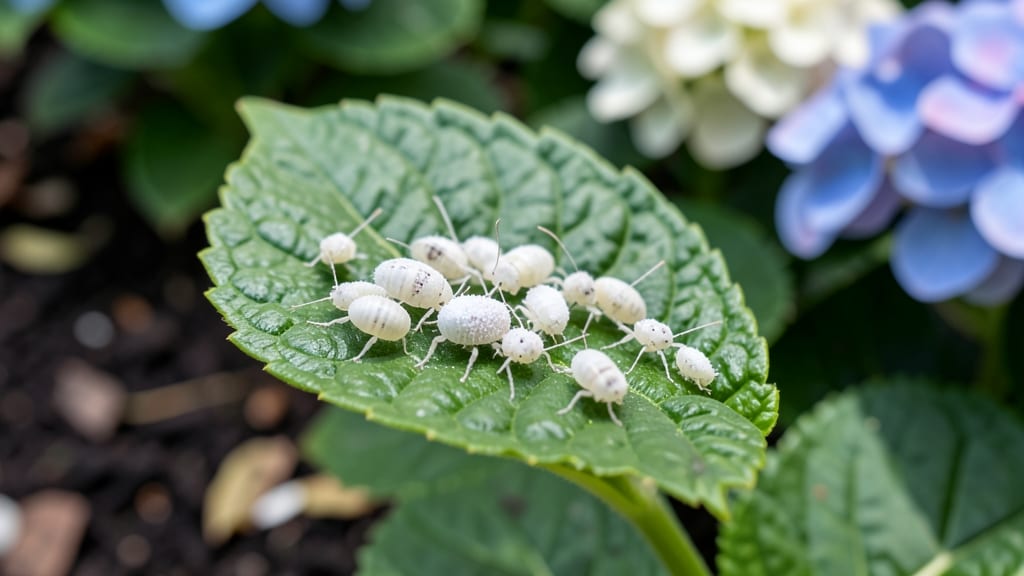
White bugs on hydrangeas turn your showstopper shrubs into sticky, sad messes—unless you act fast. 🌿 I’ve watched these sap-suckers drain my plants of life, leaving behind curled leaves and weak stems, but I’ve also learned how to kick them out for good. The key?
Spotting them early and knowing exactly which ones you’re dealing with—mealybugs, scale, or aphids—so you can attack them right. These bugs thrive in warm, humid spots, often hiding under leaves or along stems where they suck out plant juices. That sticky residue you see?
It’s honeydew, a magnet for sooty mold and ants. The damage starts small but escalates quickly, so don’t wait until your hydrangeas look like they’ve been through a war—start checking leaves now, especially on the undersides where pests love to hide.
With the right mix of organic sprays, manual removal, and preventive care, you’ll have your hydrangeas thriving again in no time.
I’ll show you how to identify each type of bug, what treatments work best, and how to keep them from coming back—so your blooms stay as lush and vibrant as the day you planted them.
Here’s the thing—most of these pests are easy to miss until it’s too late. Mealybugs look like cottony clumps, scale insects appear as tiny bumps, and aphids cluster in groups that move when you disturb them. The sooner you spot them, the easier they are to eliminate without harsh chemicals.
I’ve tried everything from neem oil to soapy water sprays, and I’ll share which methods actually work (and which are a waste of time).
Once you’ve got them under control, the real secret is prevention. Healthy hydrangeas are less appealing to pests, so I’ll walk you through the best care practices—like proper watering, pruning, and even companion planting—to keep your shrubs strong and these bugs far, far away.
Trust me, your future self will thank you when your hydrangeas are bursting with blooms instead of battling bugs.
Root Causes of Hydrangea Infestations
White bugs on your hydrangeas aren’t just an unsightly annoyance—they’re often a sign of deeper ecological imbalances in your garden. Understanding the why behind these pests is the first step to stopping them before they strip your plants of vitality.
Let’s break down the most common triggers, from environmental factors to plant health, so you can address the core issue.
Hydrangeas thrive when they have space to breathe, but when roots compete for nutrients or foliage becomes dense, the plant weakens. Stressed plants are like open invitations to pests like aphids, mealybugs, or whiteflies—they’re easier targets for feeding and reproduction.
Here’s how it happens:
- Competition for resources: Overcrowded hydrangeas divert energy from defense mechanisms (like sticky sap or bitter compounds) to survival, making them more vulnerable to infestations.
- Poor air circulation: Dense foliage traps moisture, creating a humid microclimate that loves white bug larvae. Think of it as a pest paradise.
- Nutrient deficiencies: Lack of nitrogen or phosphorus weakens cell walls, making it easier for sap-sucking bugs to pierce leaves and stems.
💡 Pro Tip: Prune hydrangeas in early spring to improve airflow, and mulch around the base to reduce soil-borne stress. A balanced fertilizer (like 10-10-10) can also boost resilience.
White bugs aren’t picky—they’re opportunists that exploit specific conditions. Your hydrangeas might be hosting them because they’re in the perfect pest hotel.
| Factor | Why It Attracts Bugs | Solution |
|---|---|---|
| 🌡️ Warm, humid climates | Whiteflies and aphids thrive in temperatures above 70°F (21°C) with high humidity—ideal for rapid reproduction. | Use shade cloth in peak summer or improve drainage to reduce soil moisture. |
| 🍃 New growth | Tender, succulent leaves are a buffet for sap-suckers. Young shoots lack the tough defenses of mature foliage. | Monitor and treat new growth early with neem oil or insecticidal soap. |
| 🌿 Overwatering | Soggy soil and leaves create the perfect breeding ground for fungal diseases (like powdery mildew) that weaken plants—and attract bugs that feed on weakened tissue. | Water at the base in the morning and avoid wetting leaves. |
✨ Key Insight: Pests often move in after other problems (like fungal infections or aphid colonies) have already established a foothold. Address secondary issues first!
In a healthy garden, predators like ladybugs, lacewings, and parasitic wasps keep white bug populations in check. But if these natural allies are missing, pests explode.
Common disruptions:
- Pesticide overuse: Broad-spectrum chemicals (like malathion) kill beneficial insects faster than pests, creating a vacuum that bugs rush to fill.
- Monoculture gardening: Planting only hydrangeas (or similar host plants) starves predator species that need diverse food sources.
- Seasonal die-offs: Cold winters or drought can decimate predator populations before pests rebound in spring.
🔥 Action Step: Introduce predator-friendly plants (like dill, yarrow, or alyssum) near hydrangeas to attract ladybugs and lacewings. Avoid systemic pesticides during bloom times.
Not all white bugs start in your garden—they might be stowaways from new plants. Many hydrangeas sold at nurseries or garden centers are pre-infested with:
- Mealybugs: Hidden in leaf axils or under burlap wraps.
- Scale insects: Often on stems or roots, undetectable until the plant is stressed.
- Whitefly eggs: Laid on undersides of leaves, hatching within days.
🚨 Red Flag: Inspect new plants thoroughly before bringing them home. Quarantine them for 2 weeks and treat with a systemic insecticide (like imidacloprid) if needed.
Quick Fixes for Tiny Garden Invaders
Spotting white bugs on your hydrangeas can feel like a gardening nightmare, but don’t panic—these pests are manageable with the right approach. Below, we’ve mapped out targeted solutions based on the most common culprits (aphids, mealybugs, scale, or whiteflies) and their life stages.
Each fix is designed to be effective, eco-friendly, and easy to implement, whether you’re dealing with a small infestation or a full-blown outbreak.
(Act fast—these bugs multiply quickly!)
🍳 Blast Them Off with Water
For aphids, mealybugs, and soft-bodied pests, a strong stream of water can dislodge them before they cause major damage.
- How: Use a hose with a nozzle or a spray bottle to target clusters of bugs, especially under leaves and flower buds.
- When: Do this early in the morning or late afternoon to avoid shocking the plant.
- Frequency: Repeat every 2–3 days until the bugs are gone.
✨ Pro Tip: Add a drop of mild dish soap (like Castile soap) to the water to help break down their waxy coatings.
👨🍳 Soap Spray for Stubborn Bugs
If water alone isn’t enough, insecticidal soap is a go-to for mealybugs, aphids, and young scale. It’s plant-safe and kills on contact.
- DIY Recipe:
- 1 tbsp mild liquid soap (like Dr. Bronner’s or Dawn)
- 1 quart lukewarm water
- 1 tsp horticultural oil (optional, for extra stickiness)
- How to Apply:
- Shake well and spray directly on bugs (avoid blooms if possible).
- Reapply every 5–7 days until the infestation clears.
💡 Warning: Test on a small leaf first—some hydrangeas are sensitive to soap.
🔪 Scrape Off Scale and Mealybugs
Scale insects and mealybugs hide under thick, waxy armor. Scrape them off physically for instant relief.
- Tools Needed:
- Soft toothbrush (for small clusters)
- Cotton swabs dipped in rubbing alcohol (for stubborn scale)
- Gloves (these bugs can be sticky and gross!)
- Steps:
- Inspect stems, leaves, and buds for cottony white masses (mealybugs) or brown bumps (scale).
- Gently brush off or dab with alcohol-soaked cotton to dissolve their protective coating.
- Wipe away residue with a damp cloth.
✨ Pro Tip: Do this on a sunny day—alcohol evaporates faster, reducing plant stress.
🌿 Neem Oil for Long-Term Control
For persistent infestations (especially whiteflies or scale), neem oil disrupts their life cycle and repels future pests.
- How to Use:
- Mix 1 tbsp neem oil + 1 tsp mild soap + 1 quart water.
- Spray evenly on all surfaces (top and bottom of leaves).
- Apply every 7–10 days for 3–4 weeks.
- Why It Works:
- Neem oil smothers eggs and adults.
- It also boosts plant immunity against future pests.
🌡️ Temperature Tip: Apply when temps are above 50°F (10°C)—cold weather makes neem less effective.
Once you’ve banished the white invaders, prevent a comeback with these low-maintenance strategies. Think of it as pest-proofing your hydrangeas!
🌱 Healthy Plants = Strong Defense
Bugs target weak or stressed plants. Keep your hydrangeas thriving with:
- ✅ Proper watering (1–1.5 inches per week; avoid soggy soil).
- ✅ Balanced fertilizer (high in phosphorus for blooms, but not too much nitrogen).
- ✅ Prune regularly to improve airflow (bugs love crowded, damp foliage).
🐝 Encourage Natural Predators
Let nature do the work! These beneficial bugs eat white pests and won’t harm your hydrangeas:
- 🐜 Ladybugs (devour aphids)
- 🕷️ Spiders (control mealybugs)
- 🦋 Lacewings (eat soft-bodied pests)
- 🐝 Parasitic wasps (target scale and whiteflies)
🎯 How to Attract Them:
- Plant companion flowers like alyssum, dill, or marigolds nearby.
- Avoid broad-spectrum pesticides (they kill good bugs too!).
- Install a small water source (like a shallow dish with pebbles) for predators to drink.
🧹 Seasonal Cleanup Routine
Bugs and their eggs hide in debris. Stay ahead with:
- 🔄 Fall cleanup: Remove fallen leaves, spent blooms, and mulch from under the plant.
- 🌿 Spring inspection: Prune dead or damaged branches before new growth starts.
- 🕯️ Mulch wisely: Use wood chips or straw (not thick layers), and keep it 2–3 inches away from the stem to deter moisture-loving pests.
🛡️ Barrier Methods for Heavy-Infested Areas
If your garden is a hotspot for white bugs, try these physical barriers:
- 🕷️ Floating row covers (lightweight fabric over young plants to block adults from laying eggs).
- 🪴 Yellow sticky traps (hang near hydrangeas to catch whiteflies and aphids).
- 🌿 Reflective mulch (aluminum foil or silver plastic sheets can confuse and repel pests).
With these practical, step-by-step fixes, your hydrangeas will bounce back faster than you think. Start with water and soap for quick wins, then neem oil or scraping for stubborn pests. And once they’re bug-free, prevention tips** will keep those white intruders from crashing your garden party again! 🌸🚫🐜
Frequently asked questions
What are the most common white bugs found on hydrangeas?
The three most likely culprits are mealybugs (fluffy white cotton-like clusters), scale insects (tiny brown bumps on stems), and aphids (small, soft-bodied insects that cluster on new growth). Whiteflies also appear as tiny white moths that flutter when disturbed. Each requires slightly different treatment approaches.
How do I know if my hydrangea has a serious infestation?
Look for these warning signs: sticky honeydew residue on leaves (a sign of sap-sucking pests), yellowing or curling leaves, sooty mold (black fungal growth), and visible bugs on stems or undersides of leaves. If you see ants farming the bugs, that's another red flag—they protect these pests for their honeydew.
Will neem oil kill white bugs on hydrangeas?
Yes, but it works best as a preventive measure and for early-stage infestations. Neem oil disrupts the life cycle of mealybugs, scale, and whiteflies by smothering eggs and adults. For established infestations, combine it with manual removal (like scraping) and reapply every 7-10 days for 3-4 weeks. Always apply in the evening when temperatures are above 50°F (10°C).
Can I use dish soap to kill these bugs?
Yes, but only mild, plant-safe soap like Castile soap or insecticidal soap. Mix 1 tablespoon with 1 quart of water and spray directly on the bugs (avoid blooms). This works best for aphids and mealybugs. Test on a small leaf first—some hydrangeas are sensitive to soap. Reapply every 5-7 days until the pests disappear.
How can I prevent white bugs from coming back?
Focus on plant health and habitat disruption: Keep hydrangeas well-pruned for airflow, water at the base (not leaves), and use reflective mulch or yellow sticky traps. Introduce beneficial insects like ladybugs and lacewings by planting companion flowers (dill, alyssum). Avoid broad-spectrum pesticides that kill natural predators. Inspect new plants before bringing them home—many infestations start this way.