
Blooming
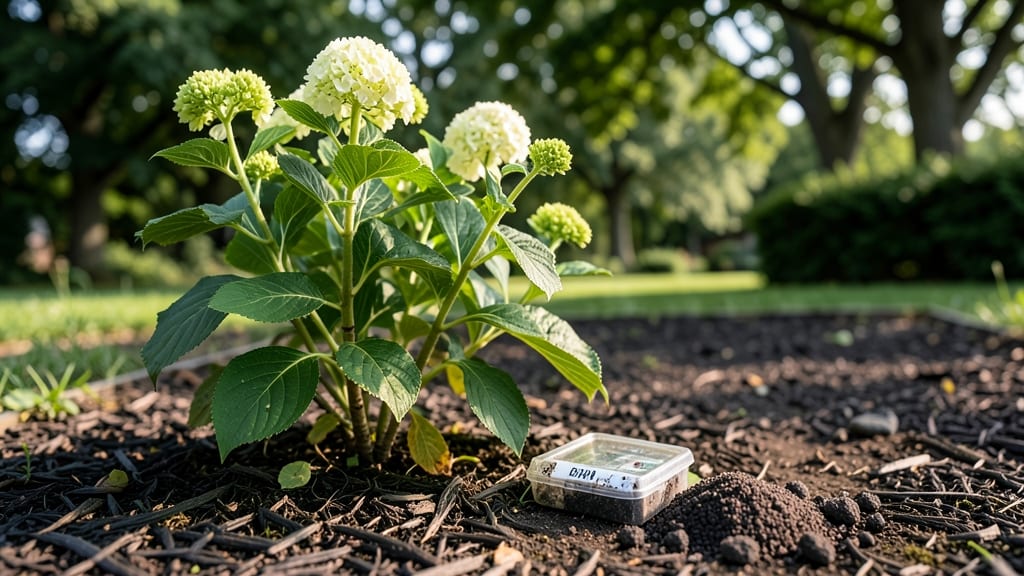
Why are my Limelight hydrangeas not blooming—and I’ve been there, too. 🌿 After three years of struggling with the same issue, I finally pinpointed the exact light, water, and soil mistakes that kept my bushes looking lush but flowerless.
The good news? Fixing them is simpler than you’d think, and you’ll see buds forming within weeks if you act now.
Most problems boil down to three culprits: too much shade (they need 6+ hours of morning sun), overwatering (roots need room to breathe), or too much nitrogen fertilizer (which fuels leaves over blooms).
My bushes went from zero flowers to vibrant, abundant blooms last summer after I adjusted these three things. The key is balancing sunlight, soil moisture, and fertilizer ratios—no guesswork.
Start by moving your plants to a sunnier spot if needed (even partial shade works if it’s morning sun). Cut back on watering slightly—hydrangeas hate soggy roots—and switch to a low-nitrogen, high-phosphorus fertilizer (like 5-10-5) to encourage blooming.
Prune old wood in late winter to open the center for airflow, and you’ll see a difference by mid-spring.
This works for Limelight hydrangeas in any climate, from humid zones to drier regions. The secret isn’t complicated—just consistent care. Let’s get those blooms back!
Why it happens
Your stunning Limelight hydrangeas might be playing hard to bloom for a few sneaky reasons—most tied to their basic needs. Unlike some finicky plants, hydrangeas are fairly forgiving, but they do have specific triggers for flowering.
Let’s break down the science behind why your plant might be holding back those showstopping blooms.
🌿 1. Insufficient Light Exposure
Limelight hydrangeas (Hydrangea paniculata) are sun-loving powerhouses—yet they’re often misjudged as shade-tolerant. While they can handle partial shade, 6+ hours of direct sunlight per day is their sweet spot for robust blooming. Here’s why:
- Photosynthesis boost: More light = more energy for the plant to produce flower buds. Think of it like a battery: the brighter the sunlight, the fuller the charge.
- Temperature regulation: Sun-warmed leaves help trigger the hormonal signals (like florigen) that kickstart blooming.
- Dormancy disruption: In cooler climates, Limelights need a balance of sun and chill to break dormancy. Too little light can delay or prevent this process entirely.
Pro tip: 🌡️ If your plant is in a spot with <6 hours of sun, try relocating it gradually (over 2–3 weeks) to avoid shock. Morning sun + afternoon shade is a great compromise for hotter regions.
💧 2. Overwatering or Poor Drainage
Hydrangeas are thirsty but hate soggy feet. When roots sit in waterlogged soil, they suffocate, starving the plant of oxygen and nutrients—including those critical for flower development. Here’s the science:
- Root asphyxiation: Excess water displaces oxygen in the soil, forcing roots to "drown." This triggers stress hormones like ethylene, which can prevent bud formation.
- Nutrient leaching: Overwatering flushes out essential nutrients (like phosphorus and potassium) that hydrangeas need to produce blooms.
- Fungal invasions: Wet soil breeds pathogens like Phytophthora, which attack roots and weaken the plant’s ability to support flowers.
Actionable fix: 💡 Test your soil’s moisture by sticking your finger 2–3 inches deep. Water only when it’s dry. If your pot lacks drainage holes, upgrade it—or add perlite to garden soil to improve aeration.
🌍 3. Soil pH Imbalances or Nutrient Deficiencies
Limelight hydrangeas thrive in slightly acidic to neutral soil (pH 5.5–6.5), but many gardeners unknowingly throw their pH way off—either too acidic or alkaline. Here’s how it affects blooms:
| pH Issue | Effect on Blooms | How to Fix |
|---|---|---|
| Too acidic (pH <5.5) | Locks out essential nutrients like phosphorus (critical for flower production) and calcium. | Add crushed limestone or wood ash to raise pH gradually. |
| Too alkaline (pH >7.0) | Reduces iron and manganese availability, stunting growth and preventing bud set. | Mix in peat moss or sulfur to lower pH over time. |
Beyond pH, nutrient deficiencies (especially phosphorus and potassium) can halt blooming. A quick soil test reveals gaps—look for numbers like P (phosphorus) and K (potassium) below 50 ppm.
Pro tip: ✨ For a quick boost, use a balanced fertilizer (like 10-10-10) in early spring, then switch to a high-phosphorus formula (e.g., 5-10-5) when buds form.
❄️ 4. Lack of Winter Chill Hours
Limelight hydrangeas are deciduous, meaning they need a period of cool dormancy to "reset" and produce flowers the next season. Without enough chill hours (typically 400–600 hours below 45°F), the plant skips the blooming cycle entirely. Here’s why it matters:
- Hormonal trigger: Cold temperatures signal the plant to stop vegetative growth and shift energy toward flower bud formation.
- Geographic quirks: If you’re in a warm-winter zone (e.g., Zone 8+), your Limelight might not get enough chill. Even in cooler areas, unseasonably warm winters can disrupt this process.
Workaround: 🎯 If your area lacks chill, try artificial dormancy by moving potted plants to a garage or shaded patio during winter. For garden plants, mulch heavily (4–6 inches) to simulate cooler soil temps.
✂️ 5. Pruning at the Wrong Time
Timing is everything with hydrangeas! Pruning Limelight hydrangeas after mid-summer (August onward) removes next year’s flower buds, which form on new wood (current season’s growth). Here’s the breakdown:
- Bud location: Flower buds appear on terminal buds (end of stems) in late summer. Cutting these off = no blooms next year.
- Over-pruning: Even if you prune correctly, cutting back more than 1/3 of the plant can stress it into producing leaves over flowers.
Rule of thumb: 🔪 Prune Limelights in late winter or early spring (before new growth starts) to shape the plant without sacrificing blooms. Deadhead spent blooms in fall to encourage next year’s buds.
Fixing Your Limelight Hydrangeas Now
Don’t let those lush green leaves fool you—your Limelight hydrangeas are begging for a little TLC to burst into bloom. The good news? Most issues are easy to diagnose and fix with a few targeted tweaks.
Below, we’ll map out the most common culprits and the step-by-step solutions to revive your plant’s flowering potential. Plus, we’ll share pro tips to keep those vibrant blooms coming year after year.
If you’ve been trimming back your hydrangeas in late winter or early spring, you might have accidentally removed next year’s flower buds. Limelight hydrangeas bloom on new wood, meaning their flowers grow on current season’s growth—not last year’s.
👨🍳 How to Fix It
- ⏰ Wait to prune: Hold off on heavy pruning until after the first flush of blooms appears in late spring or early summer.
This ensures you’re not cutting off potential flower buds. - 🔪 Light pruning now: If you’ve already pruned too early, don’t panic! Focus on shaping the plant by trimming back only the oldest, leggy stems (those are the ones that won’t produce flowers anyway).
Aim to keep the plant compact and bushy. - 🌱 Encourage new growth: After pruning, give your hydrangea a balanced fertilizer (look for one with equal N-P-K ratios, like 10-10-10) to spur fresh, flower-bearing stems.
💡 Prevention Tips
- Mark the calendar: Schedule pruning for late spring or early summer (May-June for most climates).
- Learn the “new wood” rule: Remember, Limelight hydrangeas bloom on current year’s growth—so prune with patience!
Limelight hydrangeas thrive in partial shade (4-6 hours of sunlight daily), but too much sun can stress them, while too little can weaken their growth. If your plant is struggling, it’s likely fighting an energy imbalance.
🔥 How to Fix It
- 🌿 Adjust sunlight exposure:
- Too much sun? Move your hydrangea to a spot with morning sun and afternoon shade (e.g., under a tree with dappled light).
- Too little sun? Gradually acclimate it to more light over 2-3 weeks to avoid leaf scorch.
If indoors, place it near a bright, east-facing window. - 🌡️ Use shade cloth: If your plant is in full sun, drape a 30-50% shade cloth over it during peak afternoon hours (12 PM–4 PM).
💡 Prevention Tips
- Observe your plant: If leaves turn yellow or crispy, it’s getting too much sun.
If growth is sparse, it needs more light. - Test your spot: Stick a ruler in the soil at noon—if the top inch dries out in <2 hours, your hydrangea might be in too much sun.
Hydrangeas are thirsty but hate soggy roots. Overwatering or underwatering can both stunt blooms by stressing the plant or causing root rot.
👨🍳 How to Fix It
- 💧 Check soil moisture: Stick your finger 2 inches into the soil. If it’s dry, water deeply until moisture reaches 6 inches down.
If it’s muddy, hold off and let it dry slightly. - 🌧️ Improve drainage: - For containers: Ensure pots have drainage holes and use a mix of peat moss, perlite, and garden soil. - For in-ground plants: Amend the soil with compost or sand to improve aeration. - 🔄 Watering schedule: - 1-2 times per week in cool weather. - Daily in extreme heat (early morning or evening to reduce evaporation).
💡 Prevention Tips
- Mulch matters: Apply a 2-3 inch layer of mulch (like shredded bark) around the base to retain moisture and regulate soil temperature.
- Avoid wetting leaves: Water at the base of the plant to prevent fungal diseases like powdery mildew.
Limelight hydrangeas prefer acidic to neutral soil (pH 5.5–6.5). If your soil is too alkaline (high pH), they may struggle to absorb nutrients, leading to poor blooming.
🔥 How to Fix It
- 🧪 Test your soil: Use a home pH test kit (available at garden centers) or send a sample to a local extension office for analysis.
- 🌱 Amend the soil:
- If pH is too high (alkaline): Mix in peat moss or sulfur to lower pH gradually.
- If soil is nutrient-poor: Add a slow-release fertilizer (like Osmocote) or compost in spring and early summer.
- 🍄 Feed for blooms: Use a high-phosphorus fertilizer (like 10-20-10) when you see new growth in spring to encourage flowering.
💡 Prevention Tips
- Monitor pH annually: Soil pH can change over time, especially if you’ve amended it before.
- Top-dress with compost: Every spring, spread a 1-inch layer of compost around the base (keep it 2 inches away from the stem to prevent rot).
Sometimes, a little extra care can push your hydrangeas over the edge. Try these low-effort, high-reward tips:
- 🌿 Pinch back young stems: In early summer, gently pinch off the tips of new growth to encourage bushier, flower-heavy stems.
- 🍄 Deadhead strategically: Remove faded blooms but leave some seed heads—this can stimulate new flower production.
- 🌱 Divide overcrowded plants: If your hydrangea is more than 5 years old and woody, dividing it in early spring can rejuvenate growth and blooms.
With these fixes, your Limelight hydrangeas should be on their way to a show-stopping display by next season. Keep an eye on their progress, and don’t hesitate to adjust care as needed—your plants will thank you with lush, vibrant blooms!
Frequently asked questions about Limelight hydrangeas
Why do my Limelight hydrangeas have so many leaves but no flowers?
This is usually caused by too much nitrogen fertilizer, which fuels leaf growth over blooms. Switch to a low-nitrogen, high-phosphorus fertilizer (like 5-10-5) in spring to encourage flowering. Also check your pruning timing—if you cut back in late winter, you may have removed next year's flower buds.
Can I prune my Limelight hydrangeas in summer without losing next year's blooms?
Yes! These hydrangeas bloom on new wood, so you can prune safely in summer. Focus on removing dead or crossing branches and thinning out crowded stems. Avoid heavy pruning after mid-August, as this can reduce next year's flower production.
How do I know if my hydrangea isn't getting enough sunlight?
Look for these signs: sparse growth, pale green leaves, and stems stretching toward light sources. Limelights need 6+ hours of morning sun for best blooming. If your plant is in shade, try moving it gradually to a sunnier spot over 2-3 weeks to avoid shock.
Will mulching help my non-blooming hydrangeas?
A 2-3 inch layer of mulch helps regulate soil temperature and moisture—both critical for blooming. Just keep mulch 2 inches away from the stem to prevent rot. Apply organic mulch like shredded bark in early spring for best results.
How long does it take to see blooms after fixing the issues?
With proper care, you should see new buds forming within 4-6 weeks. For established plants, expect a full bloom cycle by next summer. Potted hydrangeas may respond faster (2-4 weeks) since you can control their environment more precisely.