
Light Requirements
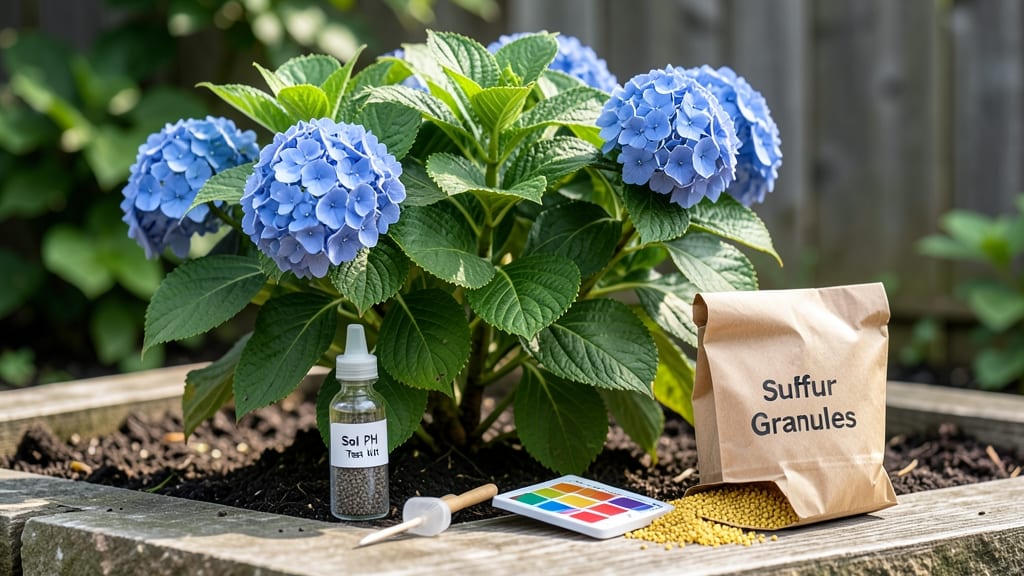
Hydrangeas are famously picky about their soil environment, and acidity plays a starring role in their performance. 🌸 The ideal pH range unlocks the plant's full potential by making essential nutrients like aluminum more available, which in turn influences pigment production.
For gardeners aiming for striking blue blooms, maintaining that 4.5-5.5 range is non-negotiable—though varieties like 'Endless Summer' offer more flexibility. What's fascinating is how even small pH shifts can dramatically alter flower color, making soil testing an essential part of hydrangea care.
Beyond color, acidic soil promotes overall plant health by preventing nutrient deficiencies that often occur in alkaline conditions. The good news is that adjusting soil pH is simpler than many gardeners realize. Organic amendments like coffee grounds or pine needles work gradually, while elemental sulfur provides faster results.
For container plants, you can even use acidic potting mixes designed specifically for hydrangeas. The key is consistency—testing your soil annually and making adjustments as needed ensures your hydrangeas stay happy and healthy season after season.
💡 In This Article
- How Soil pH Affects Hydrangea Flower Colors
- Step-by-Step Guide to Lowering Soil pH for Hydrangeas
How soil pH affects hydrangea flower colors
The vibrant colors of hydrangea blooms are directly tied to soil chemistry, particularly aluminum availability. In acidic soil (pH 4.5-5.5), aluminum becomes soluble and accessible to the plant's roots. This element acts as a natural pigment regulator, boosting the production of delphinidin, the anthocyanin responsible for blue hues.
When soil pH rises above 6.0, aluminum binds tightly to soil particles, becoming unavailable. This triggers the plant to produce cyanidin instead, resulting in pink or purple flowers. 🌸
Think of it like a color-changing mood ring for plants—small pH shifts can dramatically alter flower tones. For example, the 'Nikko Blue' variety produces deep blue blooms at pH 5.0, but those same flowers turn soft pink at pH 6.5.
Even within the ideal range, slight variations matter: at pH 4.8, you'll get the most intense blues, while 5.2 produces a softer lavender-blue. This sensitivity explains why gardeners obsessed with specific colors must monitor their soil's acidity year-round.
Not all hydrangeas follow this rule perfectly. The 'Endless Summer' series, for instance, produces blue flowers even at pH 6.0-6.2 due to its unique genetic tolerance. These varieties can handle slightly alkaline conditions without color shifts, making them ideal for gardeners in areas with naturally high-pH soil.
However, they still perform best when the pH stays below 6.5. The key difference lies in their ability to absorb aluminum more efficiently across a wider pH spectrum.
What's fascinating is how this chemical process works at the cellular level. Hydrangea cells contain vacuoles that store pigments. In acidic conditions, these vacuoles accumulate more delphinidin, creating the blue pigment complex.
When aluminum is scarce (high pH), the plant defaults to cyanidin production, which lacks the same deep blue intensity. This biological mechanism explains why some gardeners see their hydrangeas change color dramatically from year to year—often due to seasonal pH fluctuations they're unaware of.
For those aiming to grow blue hydrangeas, maintaining the 4.5-5.5 range is critical.
A simple soil test kit (costing around $10) reveals your current pH. If results show 6.0 or higher**, organic amendments like elemental sulfur (applied at 1 pound per 100 square feet) or pine needles (sprinkled as mulch) can gradually lower pH over 2-3 months.
The process works because these materials release hydrogen ions into the soil, creating the acidic environment hydrangeas crave.
Remember that hydrangea color changes aren't just about aesthetics—they're a visible sign of your plant's nutritional status. Blue blooms indicate healthy aluminum uptake, while pink flowers often signal nutrient deficiencies or stress.
By understanding this chemical relationship, you gain precise control over your hydrangeas' appearance while ensuring their overall health. 💫