
Pests and Diseases
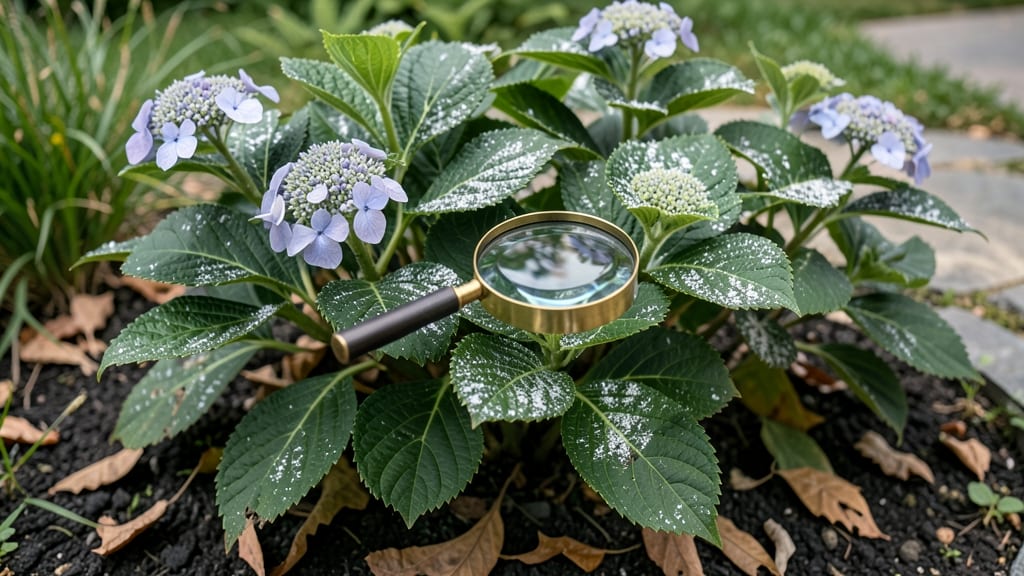
That flaky white stuff on your hydrangea leaves isn’t just dust—it’s powdery mildew, and it spreads faster than you think. ✨ I’ve seen healthy blooms turn into sad, dusty messes in just a few weeks, but the good news?
This fungal infection responds to simple fixes once you know what to do. The problem starts when humidity and poor airflow create the perfect cozy blanket for spores. Shady spots and crowded plants make it worse, but even well-placed hydrangeas can get hit if the weather stays damp.
The key is catching it early—before the white stuff turns into brown leaf crunch. With the right treatment, you’ll see fresh green growth within 10-14 days. Neem oil sprays or baking soda mixes work wonders, and proper spacing keeps future outbreaks at bay.
No more wilting, no more white ghosts—just lush, vibrant foliage. Works for all hydrangea types, from bigleaf to panicle varieties. Here’s how to turn that flaky mess into a thing of the past.
Root Causes Of Leaf Discoloration
When you spot that unsightly flaky white residue clinging to your hydrangea leaves, it’s usually a sign of an underlying issue—often a fungal infection or environmental stress. Understanding the root causes helps you tackle the problem effectively.
Below, we break down the most common triggers, backed by science, so you can diagnose and treat your plants like a pro.
The most likely suspect behind that powdery, flaky white coating is fungal powdery mildew, caused by pathogens like Erysiphe or Podosphaera. These fungi thrive in warm, humid conditions and spread via airborne spores.
- How it works: The fungus forms a mycelial mat on leaf surfaces, disrupting photosynthesis and causing leaves to yellow, crisp, or drop prematurely.
- Key conditions:
- High humidity (above 75%)
- Poor air circulation (e.g., overcrowded plants)
- Wet foliage for prolonged periods (e.g., morning dew or overhead watering)
- Red flag: The white flakes rub off easily, revealing purple or brown spots underneath—classic mildew damage.
💡 Pro Tip: Fungal spores can lie dormant in soil or debris, so prune infected leaves immediately and sterilize tools with rubbing alcohol to prevent reinfection.
Hydrangeas are sensitive to temperature swings and excessive moisture, which create the perfect storm for white flakes. While not always fungal, these conditions weaken leaves, making them susceptible to secondary infections.
| Factor | How It Triggers Flakes | Fix It Fast |
|---|---|---|
| 🔥 High Heat | Intense sun + dry air cause leaf burn, leading to white, papery patches (often on edges). | Provide afternoon shade with lightweight shade cloth (30-50% coverage). |
| 💦 Overwatering | Soggy soil + poor drainage = waterlogged roots, stressing leaves and inviting fungal growth. | Check soil moisture with your finger—water only when top 1-2 inches are dry. Improve drainage with perlite or sand. |
| 🌬️ Stagnant Air | Low airflow traps moisture, creating a microclimate ideal for fungal spores to land and multiply. | Space plants 3-5 feet apart and use a small fan on low setting near hydrangeas in humid climates. |
✨ Quick Fix: If flakes appear after a heatwave, mist leaves with water + 1 tsp baking soda per gallon (repeat weekly) to restore pH balance and deter fungi.
Sometimes, the white flakes aren’t fungal at all—they’re pest byproducts! Tiny insects like aphids, spider mites, or mealybugs excrete a sticky substance called honeydew, which hardens into a white, flaky crust. This sticky mess also attracts sooty mold, a secondary fungus that darkens leaves.
- Signs of pest-related flakes:
- Sticky residue on leaves or garden surfaces
- Visible bugs (tiny, white, or black) on undersides of leaves
- Webbing or yellowing between veins
- Common pests:
- Aphids: Cluster on new growth, leaving behind honeydew.
- Mealybugs: Appear as cottony white patches in leaf axils.
- Spider mites: Cause stippling (tiny white dots) before flaking.
🔥 Emergency Action: Blast pests off with a soapy water spray (1 tsp mild dish soap + 1 quart water) or introduce beneficial insects like ladybugs to eat them naturally.
Now that you know what’s really causing those flakes, you’re ready to target the issue with precision. Stay tuned for our 3-step fix to restore your hydrangeas to their vibrant best!
Quick Fixes for Hydrangea Leaf Woes
If your hydrangeas are battling that flaky white stuff, don’t panic—there’s hope! The good news is that most causes (like powdery mildew, sooty mold, or environmental stress) respond well to targeted action.
Below, we’ve mapped out the best solutions based on the root problem, plus pro tips to keep your plants thriving. Let’s get those leaves looking lush again!
If the white flakes are powdery, dusty, and spread easily, powdery mildew is likely the culprit. This fungal infection loves humid, shady conditions and can weaken your hydrangeas if left unchecked.
#### 🔥 Step 1: Prune the Problem Areas - Use sterilized pruners (wipe with rubbing alcohol) to trim away heavily infected leaves and stems. Dispose of them in the trash—do not compost—to prevent reinfection. - Focus on inner foliage where airflow is poor, as mildew thrives in tight, damp spaces. #### 🍳 Step 2: Cleanse the Leaves - Mix 1 tablespoon of baking soda + 1 teaspoon of mild liquid soap + 1 gallon of water in a spray bottle. - Lightly spray the undersides of leaves (where mildew often hides) on a dry, sunny day. Avoid oversaturating the soil. - Pro tip: 💡 Add a few drops of neem oil to the mix for extra antifungal power. #### 👨🍳 Step 3: Apply Fungicide (If Needed) - For stubborn cases, use a store-bought fungicide like: - Neem oil spray (organic, safe for bees when used at dusk). - Sulfur-based fungicide (follow label instructions—avoid if temps exceed 90°F). - Reapply every 7–10 days until new growth appears free of white flakes. #### 🌡️ Prevention for Next Season - Improve airflow: Space plants 3–4 feet apart and prune to open up the center. - Water wisely: Water at the base (not overhead) in the early morning so leaves dry quickly. - Reflective mulch: Use white gravel or mulch around the base to reflect sunlight and reduce humidity near the plant.If the white stuff looks sticky, greasy, or blackened (like soot), sooty mold is hitching a ride on sap-sucking pests (aphids, scale, or whiteflies). Unlike powdery mildew, sooty mold doesn’t harm the plant directly—it’s just a symptom of an underlying pest problem.
#### 🔪 Step 1: Blast Off the Pests - Hose down the plant with a strong stream of water to dislodge pests like aphids or whiteflies. - For stubborn infestations, use insecticidal soap or horticultural oil. Spray directly on pests (not just leaves) for 10–14 days. - Beneficial insects like ladybugs or lacewings can help—release them in the evening when they’re active. #### 🥘 Step 2: Clean the Leaves - Wipe leaves with a damp cloth dipped in mild soapy water (1 tsp dish soap per gallon) to remove the sooty mold layer. - Avoid harsh scrubbing—sooty mold is superficial, but rough handling can stress the plant. #### ⏰ Step 3: Monitor and Repeat - Check for new pest activity weekly. If pests return, repeat the soap/oil treatment. - Healthy plants resist sooty mold better—fertilize lightly with a balanced, slow-release fertilizer (like 10-10-10) to boost vigor. #### 🎯 Long-Term Pest Prevention - Ants? They “farm” aphids for honeydew—use borax bait or diatomaceous earth near the base to deter them. - Sticky traps: Place yellow sticky cards near hydrangeas to catch flying pests early. - Copper tape: Wrap it around stems to repel soft-bodied insects.If the white flakes are dry, chalky, or appear after extreme heat/drought, your hydrangeas might be suffering from environmental stress (like sun scald or mineral buildup). This isn’t a disease—it’s a cry for help!
#### 💡 Step 1: Check the Soil - Over-fertilization? White crust on leaves can signal salt burn from too much fertilizer. Flush the soil with water (let it run through the pot or root zone for 10–15 minutes). - Hard water? If your tap water is high in minerals, use rainwater or distilled water for hydrating. #### 🌞 Step 2: Shield from Harsh Conditions - Too much sun? Move potted hydrangeas to partial shade (4–6 hours of morning sun max). - Windburn? Use burlap windbreaks or group plants together for protection. - Drought stress? Water deeply 1–2 times per week (check soil moisture—top inch should be dry before watering). #### ✨ Step 3: Boost Plant Resilience - Mulch: Apply 2–3 inches of organic mulch (like shredded bark) to retain moisture and regulate soil temp. - Mist lightly: In extreme heat, early morning misting can help—just avoid wetting leaves at night to prevent mildew. - Foliar feed: Use a seaweed-based fertilizer (like Maxsea) to strengthen cell walls and reduce stress symptoms.With these targeted fixes, your hydrangeas should bounce back in 2–4 weeks. The key is acting fast and addressing the real cause—not just the symptoms. Once your plants are healthy, they’ll be better equipped to fend off future flakes. Happy gardening! 🌸
Frequently asked questions
Is flaky white stuff on hydrangeas always powdery mildew?
Not always! While powdery mildew is the most common cause, it could also be sooty mold (from sap-sucking pests like aphids) or even environmental stress like salt buildup from fertilizer. Check for sticky residue (sooty mold) or visible bugs—those mean pests are the real culprit.
Can I use regular dish soap to treat powdery mildew?
Yes, but use it carefully! Mix 1 teaspoon mild dish soap + 1 gallon water and spray on leaves. Avoid harsh detergents—they can damage foliage. For better results, add 1 tablespoon baking soda to boost antifungal power. Always test on a small leaf first.
How often should I spray neem oil for hydrangea leaf issues?
Apply neem oil every 7-10 days until new growth appears. For prevention, use it 2-3 times per season during humid months. Always spray in the evening to avoid harming bees. Remember to shake the bottle well before each use.
Will pruning infected leaves help stop the spread?
Remove infected leaves immediately using sterilized pruners. Dispose of them in the trash (not compost) to prevent spores from reinfecting. Focus on inner foliage where airflow is poor—this cuts off the fungus's food source.
Can I save my hydrangeas if most leaves are covered in white flakes?
Yes, but act fast! Prune heavily infected leaves and treat with fungicide or insecticide as needed. Healthy new growth will emerge within 2-4 weeks if you address the root cause. Severe cases may need 2-3 treatment rounds—don't give up too soon!