
Plants
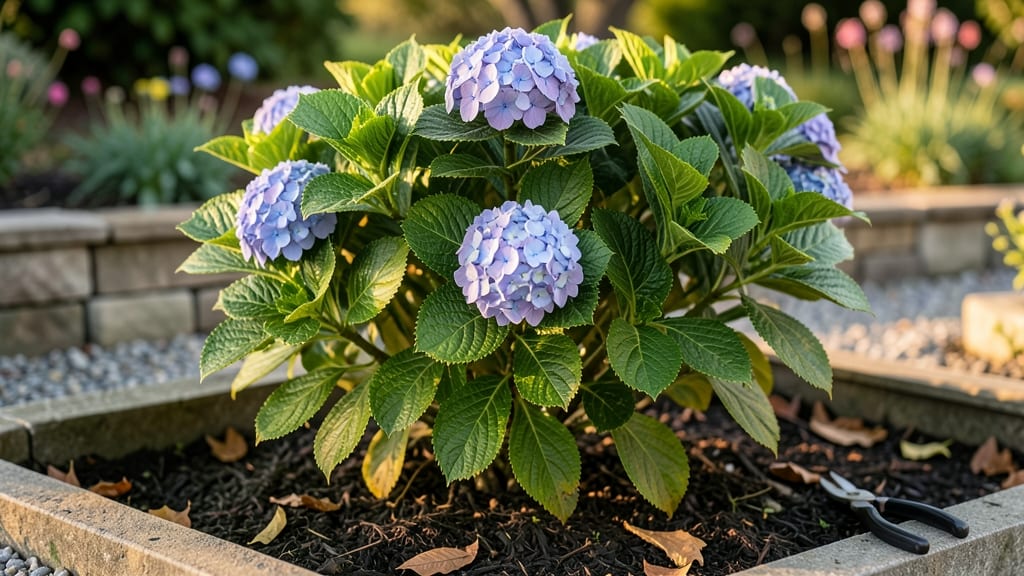
How much sun does a hydrangea plant need to thrive? It requires 4 to 6 hours of sunlight daily for perfect blooms, with morning light being the most critical window for vibrant growth.
Struggling to get your hydrangeas 🌸 to bloom? The secret might be hiding in your sunlight strategy—too much or too little can stunt their growth. Discover the exact sun requirements for vibrant, long-lasting flowers that turn heads in every garden.
Most gardeners assume hydrangeas thrive in full sun, but the truth is they prefer partial shade, especially in hotter climates where afternoon rays can scorch leaves. This balance keeps blooms lush and prevents stress on the plant.
In this guide, you’ll learn how to position your hydrangeas for ideal sunlight, adjust care based on sun exposure, and spot common mistakes that keep blooms from reaching their full potential.

Ideal sunlight requirements for hydrangea blooms by variety
Not all hydrangeas thrive under the same sunlight conditions—some love bright mornings, while others prefer gentle afternoon shade. Understanding the sunlight needs of each variety is key to achieving those show-stopping blooms you dream of.
Too much sun can scorch leaves, while too little may result in small, sparse flowers. Let’s break down the perfect light conditions for the four most popular hydrangea types: Bigleaf, Panicle, Oakleaf, and Smooth.
Hydrangeas are often called "moonflowers" because they thrive in dappled light, but their tolerance varies. For example, Bigleaf hydrangeas (like 'Endless Summer') need morning sun and afternoon shade to prevent leaf burn, while Panicle hydrangeas (such as 'Limelight') can handle more sun.
Getting this balance right means the difference between vibrant, large blooms and wilting, underperforming plants. Let’s explore the specifics for each type to help you create the ideal growing conditions.
Sunlight isn’t just about how much your hydrangeas receive—it’s also about when they get it. Morning sun is ideal because it warms the plants gently, encouraging robust growth without the risk of leaf burn from afternoon heat.
For example, a Bigleaf hydrangea placed in a spot with morning sun and afternoon shade will produce larger, more vibrant blooms than one baked in full afternoon sun. This timing is especially critical in hot climates, where afternoon rays can turn leaves crispy.
If you’re growing hydrangeas in containers, their sunlight needs change slightly due to limited root space and faster drying soil. Panicle hydrangeas in pots can handle more sun, but ensure they’re in a location where they get evening shade during peak summer heat.
For Bigleaf varieties, move containers to a shadier spot by midday if you notice leaves curling or turning yellow. A simple trick is to place them under a patio umbrella or near a tree with filtering branches.
Color intensity in hydrangeas is directly tied to sunlight exposure. Blue hydrangeas (like 'Nikko Blue') need slightly more shade to maintain their vibrant hue, while pink varieties (such as 'Bailmer') can handle a bit more sun. The pH of your soil also plays a role—acidic soil (pH < 6.0)
Morning sun vs afternoon sun: why timing matters for hydrangeas
Hydrangeas thrive in sunlight, but not all sun is created equal. The timing of sunlight exposure can make or break your plant's health and bloom potential. While most hydrangeas need 4-6 hours of light daily, morning sun provides gentler conditions that protect delicate foliage from heat stress.
This subtle difference can transform your hydrangeas from sparse bloomers to lush, vibrant showstoppers.
Think about it: morning sunlight warms gradually, allowing hydrangeas to photosynthesize efficiently without the intense midday heat that can scorch leaves. In contrast, afternoon sun delivers harsh, concentrated rays that can overheat plant tissues, leading to browned edges and weakened growth.
The key lies in understanding how your local climate interacts with these sun patterns.
⚠️ callout-warning
Hydrangeas need 4-6 hours of light daily, but afternoon sun in hot climates (Zones 7-9) can cause leaf scorch and bloom failure. Morning sun (6 AM-12 PM) is ideal because:
- ✔️ Gentle warmth boosts photosynthesis
- ✔️ Reduces water loss through evaporation
- ✔️ Prevents midday heat stress
Solution: Plant hydrangeas where they get morning sun and afternoon shade from trees or structures.
Your climate zone plays a huge role in determining the best sun placement. In cooler regions (Zones 3-6), hydrangeas can handle more direct afternoon sun because temperatures stay moderate.
But in hotter zones (Zones 7-10), even a few hours of intense afternoon rays can cause leaf burn and dropped buds. For example, in Zone 9, I've seen hydrangeas planted in full sun wilt by noon, while identical plants in morning sun thrived.
Let's talk about your garden layout. If you're planting near a south-facing wall or fence, afternoon sun will intensify there.
Instead, position hydrangeas on the east side of your yard or near west-facing structures that cast shade after 1 PM. Even a simple trellis with climbing roses can provide the perfect afternoon shade while adding beauty to your garden.
Don't forget about seasonal adjustments. In summer, hydrangeas need more shade protection, while in spring and fall, they can handle more direct light. I recommend using a light-colored shade cloth (30-50% block) during peak summer months if your hydrangeas show signs of stress.
This gives you flexibility to move plants temporarily if needed.
For container-grown hydrangeas, timing matters even more. Pots heat up faster than garden soil, so morning sun is especially critical. Place containers on patios or decks that get morning light but move them to shaded areas by early afternoon.
A simple trick is to use light-colored containers, which reflect excess heat and keep roots cooler.
Remember, the goal is to balance sunlight with protection. With the right placement, your hydrangeas will reward you with larger blooms, brighter colors, and healthier foliage all season long. Start experimenting with sun timing this year—your hydrangeas will thank you with a spectacular show! 🌸