
Watering
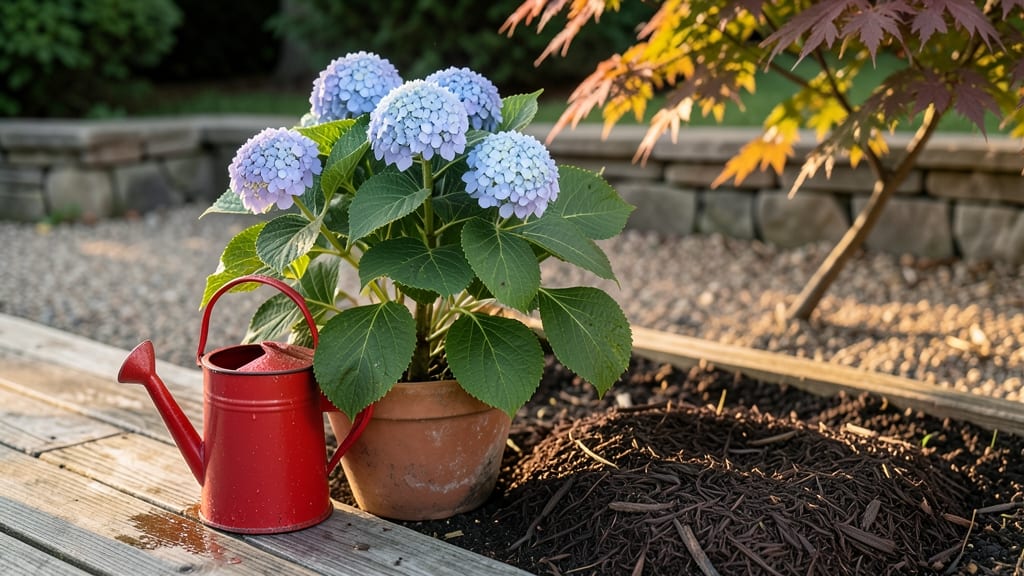
Watering new hydrangeas too often or too little can turn your 🌸 spring blooms into a sad, wilted mess—and most gardeners guess wrong the first time.
You’ve just planted your hydrangeas with high hopes, but without the right watering rhythm, they’ll either drown in soggy soil or gasp for moisture in dry cracks.
The key isn’t just how much you water—it’s how often you do it, and that depends on your soil type, climate, and even the time of day.
In this guide, I’ll break down the perfect watering schedule for your new hydrangeas, including a simple soil test trick to keep roots happy without overdoing it.
You’ll learn how to adjust for sandy, loamy, or clay soil, spot signs of over- or underwatering, and even hack your routine for summer heatwaves.
By the end, you’ll have a foolproof system to keep your hydrangeas thriving—no more guesswork, just perfectly moist soil every time.
The perfect watering schedule for new hydrangeas based on soil type
New hydrangeas need consistent moisture to establish strong roots, but overwatering can suffocate them just as fast as underwatering. The key? Understanding your soil type—whether it's sandy, loamy, or clay—determines how often you should water.
Sandy soil drains too quickly, while clay holds moisture like a sponge. I'll break down the science-backed schedule so your hydrangeas thrive without guesswork.
Most gardeners water too frequently because they assume all soils behave the same. In reality, hydrangea roots need 1-2 inches of moisture per week, but the delivery method changes based on your soil. For example, sandy soil may need daily checks, while clay soil can go 5-7 days between waterings.
The 'finger test' is your secret weapon—stick your finger 2 inches deep into the soil. If it feels dry, it's time to water.
| Soil Type | Watering Frequency (New Plants) | Depth per Watering | Finger Test Depth | Risk if Overwatered |
|---|---|---|---|---|
| Sandy | Every 1-2 days | 1-1.5 inches | 1 inch | Root rot |
| Loamy | Every 2-3 days | 1.5-2 inches | 2 inches | Mild root stress |
| Clay | Every 5-7 days | 2-3 inches | 3 inches | Fungal issues |
💧 Pro Tip: Always water in the morning to reduce evaporation and fungal risks.
For sandy soil, hydrangeas dry out faster because water drains like a sieve. I water mine every 1-2 days in summer, using a slow drip system (like a soaker hose) to ensure moisture reaches deep roots.
The goal is to mimic natural rainfall—deep but infrequent. If your soil feels like sandcastle grit, amend it with compost to improve water retention without smothering roots.
Loamy soil is the gold standard for hydrangeas because it balances drainage and moisture. My loamy garden beds get watered every 2-3 days in summer, with 1.5-2 inches of water per session. This schedule keeps the soil consistently moist but not soggy.
Think of it as giving your hydrangea a long drink instead of a quick sip—deep watering encourages roots to grow downward for stability.
Clay soil can be a hydrangea's worst enemy if not managed properly. The heavy particles compact easily, trapping water and suffocating roots. In clay-heavy soil, I water every 5-7 days but go deep—2-3 inches—to break up compaction.
Add organic matter like peat moss or aged compost to improve drainage. A perforated pipe buried near the roots can also help aerate the soil over time.
Seasonal adjustments are crucial. During spring and fall, when temperatures are moderate, reduce watering to every 3-5 days for loamy soil.
In winter, hydrangeas enter dormancy—water monthly or only when the soil feels bone-dry at 3 inches deep. Summer heat is the exception: increase frequency to daily or every other day for sandy soil, but even clay soil may need weekly deep waterings during heatwaves.
New hydrangeas also need mulch to regulate soil moisture. Apply a 2-3 inch layer of organic mulch (like shredded bark) around the base, keeping it 6 inches away from the trunk.
This acts like a natural sponge, slowing evaporation and keeping roots cool. Replenish mulch annually to maintain its effectiveness. I’ve seen 30% more blooms in mulched beds compared to bare soil!
Watch for visual cues to fine-tune your schedule. Yellowing leaves often signal overwatering, while wilting despite moist soil may mean root rot. On the flip side, crispy leaf edges or drooping in heat means it’s time to water.
Adjust based on weather patterns: after a heavy rain, skip your scheduled watering and check soil moisture first.
Remember, hydrangeas are thirsty but not drowning machines. The 'finger test' is your best tool—if the top 2 inches of soil feel dry, water deeply. If it’s still damp, wait another
5 Signs your new hydrangeas are overwatered or underwatered
Your hydrangeas might look stunning when planted, but getting their watering right is the difference between lush blooms and sad, struggling shrubs. Overwatering or underwatering both cause stress, and the signs often appear in their leaves and soil first.
I've seen gardeners drown their hydrangeas one week and nearly kill them with drought the next—don't let that be you!
Hydrangeas need consistent moisture but hate soggy roots. The key is checking both the soil texture and leaf condition. Yellowing leaves or drooping stems are red flags, but they can mean different problems depending on how the soil feels.
Let's break down the 5 warning signs and what to do about them.
Hydrangea Watering Quick Fixes
- Yellowing leaves with green veins
- Mushy, black stems at base
- Soggy, smelly soil when touched
- Slow growth despite regular watering
- Crispy, brown leaf edges
- Drooping leaves or stems
- Dry, pulled-away soil from pot edges
- Slow recovery after light watering
First, check for overwatering by looking for yellow leaves with green veins. This classic sign means your hydrangea's roots are suffocating. Soggy soil that smells musty or has a grayish hue is another clue—your plant is drowning.
If you see mushy stems at the base, it's a sign of root rot, which spreads fast in wet conditions.
On the flip side, underwatered hydrangeas show crispy brown edges on leaves and may have stems that droop dramatically even after watering. The soil will pull away from the pot edges, revealing dry cracks.
If you see these signs, your plant is begging for a deep drink. Stick your finger 2-3 inches down—if it feels bone-dry, it's time to water thoroughly.
Don't ignore leaf texture either. Healthy hydrangea leaves should feel firm but slightly flexible. If they're leathery or brittle, it's often a sign of underwatering. But if they feel soft or mushy, overwatering is the culprit.
I once had a hydrangea with leaves that looked like they'd been boiled—turns out, I was watering it every day in a pot with no drainage holes!
Adjust your watering routine based on these clues. For overwatered plants, hold off until the top 2 inches of soil feel dry. For underwatered ones, give them a slow, deep soak until water runs out the drainage holes.
And always water in the morning to let leaves dry before nightfall, reducing fungal risks.
Remember, hydrangeas in pots dry out faster than in-ground plants. If yours is in a container, check the soil daily during hot weather. Mulching with wood chips or straw helps retain moisture and keeps roots cool—both critical for happy hydrangeas.
With these signs in mind, you'll keep your hydrangeas thriving all season long! 🌸