
How To
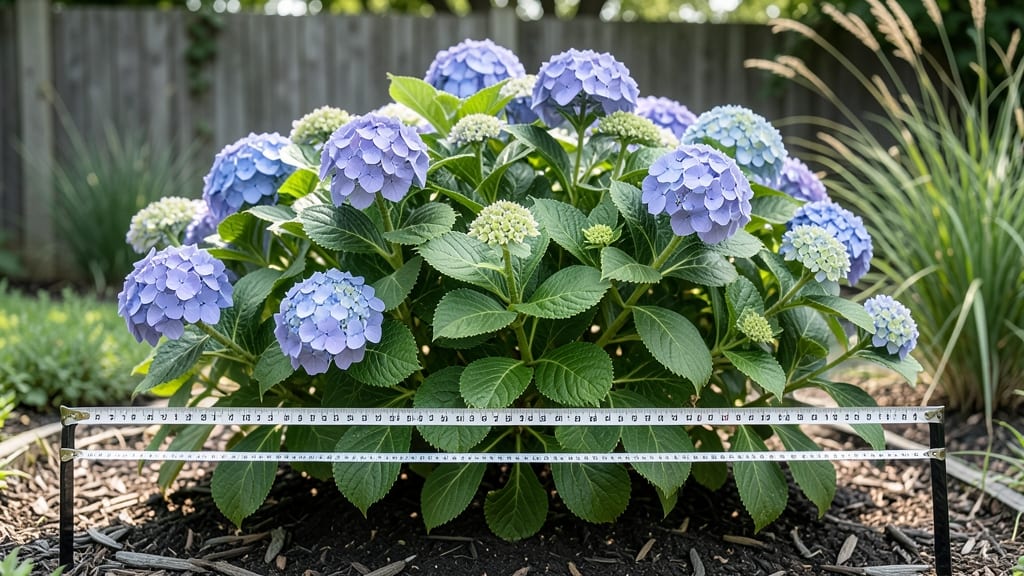
Before planting, know how wide do hydrangeas get, as their mature widths range from 3 feet for compact varieties to a sprawling 10 feet for larger types like paniculata.
If you’re dreaming of lush, blooming hydrangeas but worried about whether they’ll overwhelm your garden space, you’re not alone—many gardeners underestimate how fast these beauties spread. The good news? Hydrangea width varies dramatically by variety, from compact shrubs perfect for small gardens to sprawling giants that need room to shine.
For garden design, this means spacing is everything. Planting a 6-foot hydrangea too close to a fence or patio can lead to overcrowding, while giving it room to breathe ensures healthier blooms and easier maintenance.
In warmer climates like USDA Zone 7, expect even wider growth, so adjust your layout accordingly.
Below, I’ll break down the exact mature widths for popular varieties, spacing tips to prevent competition with other plants, and creative ways to use hydrangeas as privacy screens or focal points—without sacrificing your garden’s cozy charm.
Hydrangea width by variety: exact growth zones for popular types
Hydrangeas are prized for their stunning blooms, but their mature width can vary dramatically depending on the variety. Some stay compact enough for containers, while others spread wide enough to create privacy screens.
Understanding these differences helps you plan your garden layout with confidence. For example, the Annabelle hydrangea stays neatly contained, while Limelight can stretch to create bold garden statements.
Your USDA hardiness zone also plays a role in how wide your hydrangeas will grow. Warmer zones often see faster, more robust growth, while colder climates may limit spread. Always check the mature width and spread habit before planting—this ensures your hydrangeas thrive without crowding other plants.
For instance, planting a 6-foot-wide variety too close to a fence could lead to pruning headaches later.