
Aphids
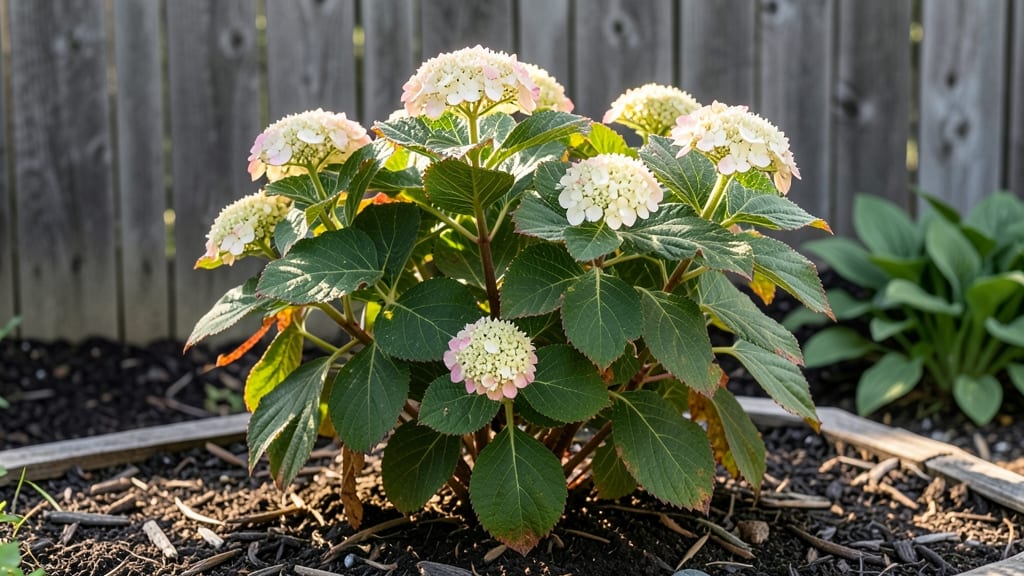
Growing Hydrangea quercifolia 'Munchkin' is like adding a tiny, four-season masterpiece to your garden—its oakleaf-shaped foliage and compact size make it the perfect space-saver. 🌿 I fell for this variety after struggling with floppy hydrangeas; 'Munchkin' stays neatly contained while delivering showstopping blooms and fiery fall colors.
The key? Matching its needs to its natural habits, from soil to sunlight.
This little powerhouse thrives in partial shade but handles morning sun too—just avoid hot afternoon rays that scorch its leaves. Well-draining, slightly acidic soil is non-negotiable; amend heavy clay with compost to keep roots happy.
Water consistently but let the top inch dry between soakings, and you’ll avoid the root rot that plagued my first attempt. Mulch helps retain moisture while protecting roots in winter.
By late summer, you’ll be rewarded with football-sized blooms that transition from white to pink, followed by stunning red-purple foliage in fall. Prune in late winter to shape it and remove dead stems—just avoid cutting back into old wood, or you’ll sacrifice next year’s blooms.
The best part? Deer and rabbits usually leave it alone, making it a low-maintenance star.
Perfect for small gardens, containers, or even as a focal point in mixed borders. Once established, it’s drought-tolerant and handles urban conditions better than most hydrangeas. Here’s how to keep it thriving year after year—no green thumb required.
📚 In This Guide
- What you need
- Instructions
- Tips and common mistakes
- Wrapping up and next steps
What you need
- ● 1 Hydrangea quercifolia 'Munchkin' plant (3–4 gallons in size, ideally from a reputable nursery)
- ● Well-draining potting mix (for containers) or native soil amended with compost (for in-ground planting)
- ● Gloves (gardening or work gloves to protect your hands)
- ● Trowel or shovel (for digging holes or repotting)
- ● Watering can or hose with a gentle spray nozzle (to avoid disturbing roots)
- ● Mulch (2–3 inches of organic mulch like pine straw or shredded bark to retain moisture and regulate soil temp)
- ● Balanced, slow-release fertilizer (10-10-10 or similar, applied sparingly—see care tips for details)
- ● Container (15–20 gallon pot with drainage holes if growing in a pot)
- ● Pruning shears (for shaping or removing dead foliage in late winter)
- ● Soil pH test kit (to ensure your soil is slightly acidic, ideal for hydrangeas)
- ● Plant support stake (if needed for young plants in windy areas)
- ● Slow-release fertilizer spikes (for container gardening)
Step-by-Step instructions for planting and caring for Hydrangea quercifolia 'Munchkin'
This compact oakleaf hydrangea thrives with the right placement and care—here's how to set it up for stunning seasonal displays.
🌱 Step 1: Choose the Perfect Planting Location
Select a site with partial shade—at least 4-6 hours of morning sun and afternoon shade—especially in hotter climates. 'Munchkin' tolerates full shade but may produce fewer blooms. The key is protecting its large leaves from afternoon sunburn, which can scorch the delicate foliage.
Test your spot by observing how sunlight moves through the area. Look for dappled light patterns where the ground stays moist but not soggy. Avoid low spots where water pools after rain, as 'Munchkin' prefers well-draining soil. You'll know you've found the right spot when the surrounding plants show signs of thriving in similar conditions.
🪴 Step 2: Prepare the Soil and Plant
Amend the planting hole with 2-3 inches of organic compost mixed into the native soil to improve drainage and fertility. 'Munchkin' prefers slightly acidic to neutral soil with a pH between 5.5-6.5. Dig a hole twice as wide as the root ball but only as deep—planting too deep can suffocate the roots.
Gently remove the plant from its container and loosen any circling roots with your fingers. Position it so the top of the root ball sits 1 inch below soil level. Backfill with the amended soil, pressing lightly to eliminate air pockets. Water deeply to settle the soil and encourage root contact. You'll see the soil surface settle slightly after watering—this confirms proper placement.
☀️ Step 3: Establish Watering and Mulching Routines
Keep the soil consistently moist during the first 2-3 months after planting, watering when the top 1-2 inches of soil feel dry. Avoid overhead watering, which can promote fungal diseases on the large leaves. Instead, water at the base using a soaker hose or drip irrigation for targeted moisture.
Apply a 2-3 inch layer of mulch around the base, keeping it 3 inches away from the stem to prevent rot. Use shredded bark or pine needles, which gradually decompose and improve soil structure. Replenish mulch annually in early spring to maintain moisture and regulate soil temperature. You'll notice fewer weeds and more stable soil moisture after establishing this routine.
✂️ Step 4: Prune for Shape and Encourage New Growth
Prune in late winter or early spring before new growth begins. Remove any dead or crossing branches first, then shape the plant by cutting back stems to just above a set of buds. 'Munchkin' responds well to light pruning—never cut more than 1/3 of the plant's height at once. This encourages bushier growth and prevents leggy stems.
Watch for new shoots emerging from the base in spring. These indicate vigorous growth and should be encouraged by providing balanced fertilizer in early spring. Avoid heavy pruning in fall, as it removes next year's flower buds. You'll see fuller blooms and more vibrant foliage after consistent annual pruning.
🌿 Step 5: Maintain Seasonal Care for Year-Round Interest
In summer, monitor for powdery mildew on the large leaves, especially in humid conditions. Improve airflow by pruning crowded branches and avoid overhead watering. Remove any infected leaves immediately to prevent spread. The stunning fall foliage appears when the plant receives adequate sunlight and nutrients.
In winter, protect young plants with a 4-6 inch layer of mulch to insulate roots from freezing temperatures. Established 'Munchkin' hydrangeas handle winter well but appreciate this extra care in colder climates. You'll appreciate the skeletal branches in winter that add structure to the garden, followed by fresh spring growth.
Tips & tricks for perfect Hydrangea quercifolia 'Munchkin' planting
Let me share the game-changing insights I've learned after nurturing several 'Munchkin' hydrangeas to their full potential.
Location is Everything: That 4-6 hours of morning sun in Step 1 is non-negotiable for vibrant foliage and blooms. I've found that positioning your 'Munchkin' near a north-facing wall provides perfect afternoon shade while still capturing those crucial morning rays. The key is observing your garden's light patterns throughout the day—what seems like partial shade in winter might become full sun in summer.
The Soil Science: When amending with 2-3 inches of organic compost in Step 2, I recommend mixing in a handful of perlite or coarse sand if your native soil is particularly dense. This creates better drainage while maintaining moisture retention, which 'Munchkin' loves. The 1-inch depth placement below soil level might seem counterintuitive, but it prevents root suffocation while keeping the plant stable.
Watering Wisdom: During those critical first 2-3 months, I've discovered the "finger test" works best—stick your finger 1-2 inches into the soil. If it feels dry at that depth, it's time to water. The base watering technique mentioned prevents fungal issues on those large leaves, but I've also found that watering in the early morning gives leaves time to dry before evening humidity sets in.
Winter Protection: That 4-6 inch mulch layer in winter is your plant's thermal blanket. I've seen dramatic differences in survival rates when I use straw mulch instead of wood chips—it breaks down more slowly and provides better insulation. For extra protection in harsh climates, consider wrapping the base with burlap before adding mulch.
Pro Tips for Hydrangea Quercifolia 'Munchkin'
- Let me share the game-changing insights I've learned after nurturing several 'Munchkin' hydrangeas to their full pote...
- Location is Everything: That 4-6 hours of morning sun in Step 1 is non-negotiable for vibrant foliage and blooms. I'v...
- The Soil Science: When amending with 2-3 inches of organic compost in Step 2, I recommend mixing in a handful of perl...
Frequently asked questions
about Hydrangea quercifolia 'Munchkin'—because even the cutest shrubs need a little extra care! Here are answers to the most common queries to keep your compact beauty thriving.How fast does Hydrangea quercifolia 'Munchkin' grow?
This little powerhouse grows at a moderate pace, typically adding 6–12 inches per year. With its compact form (mature size: 3–4 feet tall and wide), it’s perfect for small gardens or containers. Prune lightly in late winter to maintain its tidy shape!
Is Hydrangea quercifolia 'Munchkin' cold-hardy?
This variety thrives in USDA Zones 5–9, making it one of the hardiest hydrangeas. It handles winter chill like a champ, though young plants may need mulch protection in extreme cold. Bonus: Its exfoliating bark adds winter interest!
How do I prevent aphids on Hydrangea quercifolia 'Munchkin'?
Aphids can be a nuisance, but don’t worry—this hydrangea is relatively pest-resistant. For prevention, spray plants with water to dislodge pests or use neem oil (a natural remedy). Encourage ladybugs, their natural predators, by planting nearby flowers like marigolds.
When should I prune Hydrangea quercifolia 'Munchkin' for the best blooms?
Prune in late winter or early spring (before new growth starts) to shape the plant and remove dead wood. Avoid heavy pruning—this variety blooms on old and new wood, so trim sparingly to preserve next year’s flowers. Pro tip: Wear gloves—its leaves can be prickly!
Can I grow Hydrangea quercifolia 'Munchkin' in a container?
Yes! Its compact size makes it ideal for pots. Use a large container (at least 12–15 inches wide) with well-draining soil and ensure it gets partial shade. Water regularly to keep the soil moist, and fertilize lightly in spring for vibrant foliage and blooms.
Wrapping up and next steps
Ready to welcome Hydrangea quercifolia 'Munchkin' into your garden? This compact, low-maintenance beauty delivers year-round charm with its stunning foliage, fragrant blooms, and fiery fall colors—all while staying aphid-resistant! Whether you’re a beginner gardener or a seasoned pro, its adaptability makes it a must-have for small spaces or containers.
🌱 Next steps:
- Pick your spot—Munchkin thrives in partial shade but handles sun with care!
- Grab your supplies (potting mix, gloves, and maybe a cute watering can 💦) and get planting.
- Share your progress with fellow plant lovers—tag us @GardenGuru for a virtual high-five! 🌿