
Light Requirements
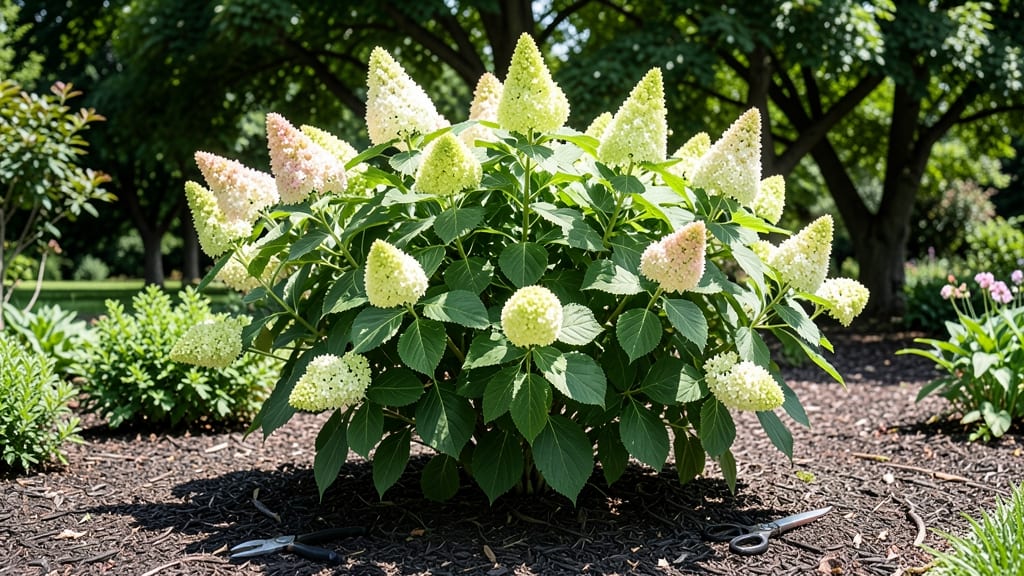
Hydrangea trees in full sun sound like a recipe for disaster—until you know the secret varieties that actually thrive under harsh light. 🌞 My first attempt with a delicate 'Annabelle' ended in crispy leaves by July, but I've since discovered sun-loving types that bloom bigger and longer than their shade-grown cousins.
The key isn't avoiding sun entirely, but choosing the right plant and giving it the support it needs to handle the heat.
Start with varieties like 'Limelight' or 'Endless Summer' hydrangeas—they're bred to handle full sun when given proper care. Amend your soil with compost to help retain moisture, and mulch heavily to keep roots cool.
Water deeply twice weekly in summer, focusing on the root zone rather than wetting foliage, which can lead to leaf scorch. Most people overlook how critical afternoon shade can be during peak heat—even a sheer curtain or lattice structure can make a difference.
You'll notice the difference within a season: glossy, deep-green leaves that stay intact through August, and flower clusters that last 4-6 weeks instead of wilting by July. The blooms develop that sought-after bold color intensity—vibrant blues, fiery pinks, or creamy whites—because the plant isn't struggling to survive.
Pruning in late winter becomes easier too, since you know exactly which branches produced last year's best blooms.
This method works equally well for container-grown hydrangea trees or those planted in-ground, though containers dry out faster and need more frequent watering. The same principles apply whether you're in Zone 5 or Zone 9—just adjust your watering schedule based on your local heat waves.
Let's get those hydrangeas thriving where most gardeners give up.
📚 In This Guide
- What you need
- Instructions
- Tips and common mistakes
- Wrapping up and next steps
What you need
- ● Hydrangea Tree: Choose a full-sun-tolerant variety like Hydrangea paniculata (e.g., 'Limelight,' 'Little Lime,' or 'Gold Rush'). Ensure it’s 1-3 years old for best transplant success.
- ● Planting Hole: Width: 2-3x wider than the root ball.
- ● Depth: Slightly shallower than the root ball (top should sit 1 inch above ground level).
- ● Well-Draining Soil Mix: 50% native soil + 50% compost or peat moss (hydrangeas love moisture but hate soggy roots!).
- ● Organic Mulch: 3-4 inches of pine bark, wood chips, or shredded leaves (keep mulch 6 inches away from the trunk to prevent rot).
- ● Slow-Release Fertilizer: 10-10-10 or 12-12-12 (follow label for spring application).
- ● Watering Can or Hose: With a gentle spray nozzle (hydrangeas need 1-1.5 inches of water weekly).
- ● Pruning Shears: Bypass pruners (sterilized with rubbing alcohol) for shaping and deadheading.
- ● Shade Cloth: 30-50% shade cloth (temporary setup for afternoon sun if your climate is extreme).
- ● Moisture Retention Gel: Hydrogel crystals mixed into soil to lock in hydration during heatwaves.
- ● Windbreaks: Burlap screens or lattice if your tree is in a windy, exposed area.
- ● pH Test Kit: To monitor soil acidity (ideal range: 5.2-6.2 for blue/purple blooms; 6.0+ for pink).
Step-by-step guide to growing a hydrangea tree in full sun
Here’s how to coax those dramatic blooms from a hydrangea tree—even in brutal sun.
🪴 Step 1: Choose the Right Variety for Hot Sun
Not all hydrangeas tolerate full sun. Look for heat-tolerant varieties like Panicle Hydrangeas (Hydrangea paniculata) or Oakleaf Hydrangeas (Hydrangea quercifolia)—they handle intense light better than traditional bigleaf types. I always check the label for sun tolerance before buying, because even a shade-loving hydrangea wilts under harsh afternoon rays.
If you’re starting from a nursery plant, inspect the leaves: healthy ones should be deep green and firm, not yellowed or crispy. Avoid leggy stems—those signal the plant was already struggling in too much light. Plant in late spring or early fall when temperatures are mild, giving roots time to establish before summer’s peak heat.
☀️ Step 2: Prepare the Planting Site for Harsh Conditions
Full sun means 6+ hours of direct light daily, but hydrangeas still need protection from midday intensity. I plant mine where they get morning sun and afternoon shade (like near a west-facing wall or under a deciduous tree that leafs out later). If that’s not possible, mulch heavily with 3-4 inches of organic mulch (like shredded bark or wood chips) to keep roots cool.
Dig a hole twice as wide as the root ball but no deeper—hydrangeas hate sitting too low. Mix the excavated soil with compost or peat moss to improve drainage, because hydrangeas rot quickly in soggy soil. Amend with slow-release fertilizer (like 10-10-10) at planting to fuel early growth, but avoid high-nitrogen blends—they encourage leafy growth over blooms.
💧 Step 3: Water Deeply and Strategically
Hydrangeas in full sun thirst more but also dry out faster. Water deeply 2-3 times per week (or daily in extreme heat) until water drains 6-8 inches deep—stick your finger in the soil to check. Shallow watering stresses roots, so I use a soaker hose to deliver moisture slowly at the base, avoiding wetting leaves (which can cause fungal issues).
Morning watering is best—it gives leaves time to dry before evening humidity sets in. If your hydrangea’s leaves start curling or dropping, it’s a sign of drought stress. At that point, I water until runoff appears, then let the soil dry slightly before watering again. Overhead sprinklers? Skip them—they waste water and encourage mildew.
✂️ Step 4: Prune for Heat and Bloom Control
Prune Panicle Hydrangeas in late winter/early spring (before buds swell) to shape the tree and encourage new growth. Cut back last year’s blooms to the first set of buds—this keeps energy flowing to summer flowers. For Oakleaf Hydrangeas, prune lightly in late winter to avoid cutting off next year’s blooms (they form on old wood).
Deadhead spent blooms throughout summer to redirect energy to new flowers, but leave a few seed heads for winter interest. If your hydrangea looks leggy or sparse, it’s likely not getting enough light—trim back overgrown branches by ⅓ to encourage bushier growth. And here’s the thing: never prune in fall—new growth won’t harden off before winter, and you’ll lose next year’s blooms.
🌿 Step 5: Protect and Maintain Through Heatwaves
When temperatures hit 90°F+, hydrangeas can wilting or drop buds. I’ve learned to shade cloth (30-50% coverage) over the tree during peak heat (11 AM–3 PM) to reduce stress. If you see yellow leaves, it’s often iron deficiency from heat—feed with chelated iron or Epsom salt (1 tablespoon per gallon of water) to revive the plant.
Monitor for aphids or spider mites, which thrive in hot, dry conditions. Spray infested areas with neem oil or insecticidal soap—but avoid harsh chemicals near blooms. By mid-summer, hydrangeas should be established enough to handle heat better. If they’re not, consider lightly staking the tree** to prevent wind damage from drying out the soil around roots.
Tips & tricks for thriving hydrangea trees in full sun
Here's what nobody tells you about keeping your hydrangeas lush and blooming under the harshest conditions.
Variety Selection Matters: While Panicle and Oakleaf hydrangeas handle full sun best, don't overlook the Little Lime variety—it's a compact Oakleaf that thrives in heat and produces stunning lime-green blooms. I've noticed these varieties maintain their color better through summer heatwaves, unlike some others that fade. When choosing, look for tags that specify "sun-tolerant" or "heat-resistant"—these terms are your golden ticket to success.
Soil Preparation Secret: The instructions mention compost and peat moss, but here's what I've learned: amend with sand if your soil is clay-heavy. Clay holds too much moisture and can suffocate roots in hot conditions. I mix in 20% sand by volume to improve drainage without compromising fertility. This simple adjustment prevents the root rot that often kills hydrangeas in full sun. Test your soil first—if it stays clumpy when squeezed, you likely need this extra step.
Watering Wisdom: Those 6-8 inches of water penetration are crucial, but here's how to check properly: insert a metal rod (like a screwdriver) into the soil. If it comes out clean, you've watered enough. I've ruined plants by assuming they were hydrated when they weren't. For container-grown hydrangeas, water until it runs freely from the drainage holes—this ensures thorough saturation. And remember: watering at the base prevents fungal issues that thrive in damp foliage.
Heatwave Rescue Plan: When temperatures hit 90°F+, I've developed a three-step defense: First, apply mulch around the base (even more than the recommended 3-4 inches if possible). Second, mist the leaves early in the morning with water to raise humidity slightly. Third, I've found that white plastic plant covers (not shade cloth) reflect sunlight better during peak heat. These measures buy your hydrangea time to recover from heat stress without smothering it in shade.
Pro Tips for Hydrangea Tree Full Sun
- Here's what nobody tells you about keeping your hydrangeas lush and blooming under the harshest conditions.
- Variety Selection Matters: While Panicle and Oakleaf hydrangeas handle full sun best, don't overlook the Little Lime ...
- Soil Preparation Secret: The instructions mention compost and peat moss, but here's what I've learned: amend with san...
Frequently asked questions
about growing a hydrangea tree in full sun—because even bold blooms need a little guidance!Can a hydrangea tree really thrive in full sun?
Yes! While most hydrangeas prefer partial shade, Panicled Hydrangeas (Hydrangea paniculata) and Oakleaf Hydrangeas (Hydrangea quercifolia) are the top full-sun champions. These varieties handle heat and direct light better than their shade-loving cousins. Just ensure they get well-draining soil and consistent moisture to prevent stress.
How long does it take for a hydrangea tree to bloom in full sun?
Patience is key! A newly planted hydrangea tree may take 1–3 years to establish and bloom fully in full sun. Panicled hydrangeas often flower on new wood, so pruning in late winter/early spring encourages faster blooms. Oakleaf hydrangeas may take slightly longer but reward you with stunning fall foliage too.
Do I need to water a hydrangea tree more often in full sun?
Full sun doubles the risk of dehydration. Water deeply 2–3 times per week (or daily in extreme heat) during the first year, then taper to 1–2 times weekly once established. Mulch around the base (2–3 inches) to retain moisture and protect roots.
What if my hydrangea tree’s leaves turn brown in full sun?
Brown, crispy leaves usually signal heat stress or underwatering. Move it to morning sun + afternoon shade if possible, or provide afternoon shade cloth. Check soil moisture—if the top 2 inches are dry, water immediately. Avoid wetting leaves at noon to prevent sunburn.
Are there full-sun hydrangea alternatives if my tree struggles?
If your hydrangea tree fights full sun, consider these sun-loving shrubs with similar drama:
- Butterfly Bush (Buddleia) – Drought-tolerant, attracts pollinators.
- Abelia – Blooms spring to fall, thrives in heat.
- Dwarf Fothergilla – Fragrant flowers + fiery fall foliage.
- Rosemary or Lavender – Perennials for texture and scent.
Wrapping up and next steps
Growing a hydrangea tree in full sun is absolutely doable with the right care—it’s all about choosing the perfect variety, providing consistent moisture, and protecting those delicate blooms from harsh afternoon rays. 🌞 While it may take a little extra effort, the reward of vibrant, long-lasting flowers is worth it!
Now that you’re armed with the knowledge, why not take the plunge and give your garden a stunning centerpiece? Start by picking your favorite hydrangea cultivar and get ready to enjoy a showstopping display all season long.