
Watering
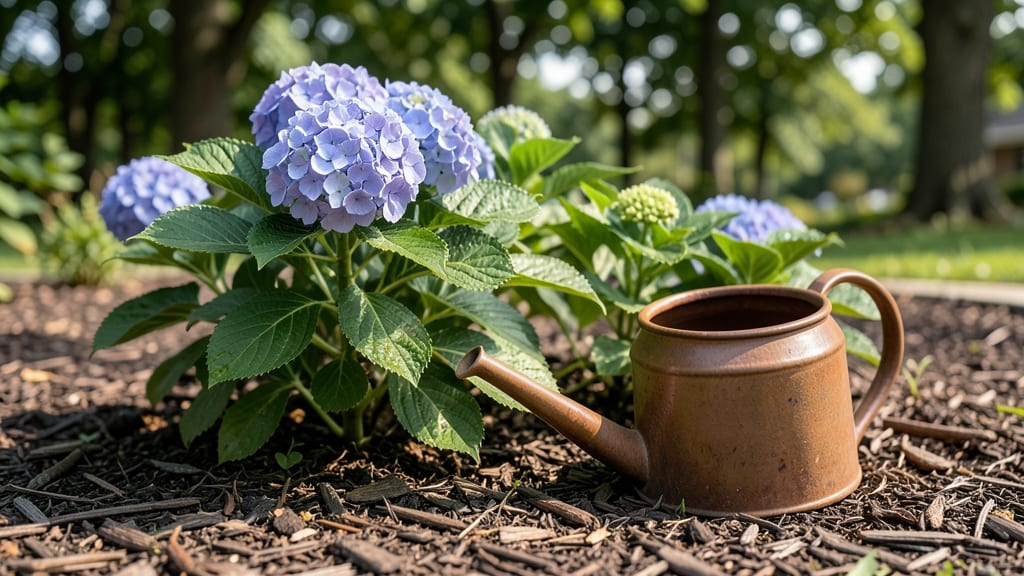
Mastering a hydrangea watering schedule is the key to those showstopping blooms you’ve been dreaming of—because these thirsty shrubs don’t just need water; they need the right amount at the right time.
Picture this: You’ve spent months nurturing your 🌸 hydrangeas, only to watch their buds shrink or leaves yellow just as they’re about to peak. That’s usually a watering mistake in disguise—too much or too little, and your plant sends all its energy into survival instead of blooms.
Climate, soil, and season all rewrite the rules, which is why a one-size-fits-all approach fails.
In USDA Zone 6a, where spring rains give way to summer droughts, your hydrangea’s needs shift dramatically from March to October—and knowing exactly when to water (and when to hold back) makes the difference between a leggy mess and a lush, flower-filled centerpiece.
Below, I’ll break down the exact schedule for each season, plus how to spot overwatering vs. underwatering before it’s too late. No guesswork—just perfect blooms every time.
Hydrangea watering schedule by season: what to do in spring, summer, fall, and winter
Hydrangeas thrive on consistency, but their water needs change dramatically with each season. In spring, focus on rehydrating roots after winter dormancy, while summer demands frequent deep watering to prevent bud blast.
Even fall and winter require attention—especially in USDA zones 7-10, where frost-free winters can lead to overwatering. The key? Adjusting both frequency and depth based on temperature, rainfall, and soil type.
Container hydrangeas dry out faster than in-ground plants, needing water every 3-5 days in summer, while mature shrubs in well-draining soil may only require weekly deep soaks. Clay soil holds moisture longer, while sandy soil drains quickly—so test your soil’s moisture by sticking your finger 2-3 inches deep.
If it feels dry, it’s time to water. Overwatering causes chlorosis (yellow leaves), while underwatering leads to drooping buds that never open.
| Season | USDA Zones 3-6 | USDA Zones 7-10 | Watering Technique | Signs of Stress |
|---|---|---|---|---|
| Spring (Mar-May) | Weekly deep soaks (1-1.5 gallons) | Bi-weekly (adjust for rain) | Drip irrigation or soaker hoses | Wilting leaves, slow bud formation |
| Summer (Jun-Aug) | Every 5-7 days (2 gallons) | Every 3-5 days (clay soil) or daily (sandy) | Morning watering + mulch | Brown buds (bud blast), crispy edges |
| Fall (Sep-Nov) | Bi-weekly (reduce as temps drop) | Monthly (unless drought persists) | Hand watering (avoid overhead) | Yellowing leaves (chlorosis) |
| Winter (Dec-Feb) | Only if no snow cover (sparse water) | Minimal (check soil moisture) | Avoid watering (risk of frost damage) | Shriveled stems, mold growth |
In spring, hydrangeas wake up thirsty after winter. Start watering as soon as soil thaws, aiming for 1-1.5 gallons per plant every 7-10 days. Use a moisture meter or the finger test—if the top 2 inches of soil are dry, it’s time.
For container hydrangeas, check daily in hot weather, as pots dry out 3x faster than garden beds. Apply water until it drains from the bottom of the pot to ensure roots get oxygen.
Summer is when hydrangeas demand the most attention. In USDA zones 7-10, water every 3-5 days, while cooler northern zones (3-6) can stretch to 5-7 days. The key is deep soaking: Water until the soil is moist 12 inches down.
Use drip irrigation or soaker hoses to avoid wetting leaves, which can cause powdery mildew. Mulch with 3 inches of wood chips to retain moisture and keep roots cool. If buds form but don’t open, you’re likely dealing with bud blast, caused by uneven watering or late-season stress.
Fall watering should taper off as temperatures drop. By September, reduce frequency to bi-weekly in cooler zones, while USDA zones 9-10 may still need monthly watering. Stop fertilizing by late summer to harden off new growth before winter.
If your hydrangea’s leaves turn yellow with green veins, it’s a sign of chlorosis, often caused by overwatering or poor drainage. In this case, let the soil dry slightly between waterings and consider adding iron supplements if your soil is alkaline.
Winter care depends on your climate. In USDA zones 3-5, hydrangeas enter dormancy and need minimal water—only if the ground isn’t snow-covered. In zones 6-10, where frost is rare, reduce watering to monthly and avoid overhead sprinklers, which can freeze leaves.
If you notice mold or mushy stems in winter, your plant is overwatered. Let the soil dry out completely before resuming a spring schedule. Always water in the morning to allow foliage to dry before nightfall, reducing fungal risks.
Pro tip: Group hydrangeas with similar water needs to streamline care. For example, pair them with azaleas or rhododendrons, which share moisture preferences. If you’re unsure about your soil type, do a simple test: Grab a handful of damp soil and squeeze it.
If it crumbles easily, it’s sandy (water more often). If it holds a shape, it’s clay (
Signs your hydrangeas are overwatered or underwatered (and how to fix it)
Hydrangeas are finicky about water—too much or too little, and you’ll see it in their leaves and blooms. Yellowing leaves or drooping stems are classic red flags, but the real clues lie in the soil and plant texture.
I’ve learned the hard way that hydrangeas need consistent moisture, not soggy roots or bone-dry soil.
First, check the soil moisture by sticking your finger 2 inches deep. If it’s damp, you’re likely overwatering. If it’s dry, your hydrangea is thirsty. Leaf curl or mushy stems mean excess water, while crispy edges or wilting point to dehydration.
Container hydrangeas dry out faster, so adjust your schedule accordingly.
Hydrangea Watering Schedule: Pros & Cons
- Yellow leaves
- Mushy stems
- Leaf curl
- Fungal spots
- Crispy leaf edges
- Wilting
- Dry, brittle stems
- Slow growth
- Reduce watering to every 7-10 days
- Improve drainage with perlite or sand
- Repot if soil stays soggy
- Water deeply every 3-5 days (containers)
- Add mulch 2-3 inches deep
- Move to shadier spot (reduces evaporation)
For container hydrangeas, I’ve found that terracotta pots dry out faster than plastic, so adjust your schedule. In drought-prone areas, water deeply in the morning to reduce evaporation. If your hydrangea’s leaves feel slimy or discolored, it’s likely overwatered—stop immediately and let the soil dry out.
In summer heat, hydrangeas need more frequent watering, but avoid wetting the leaves to prevent powdery mildew. If you see buds dropping before blooming, it’s often due to inconsistent moisture. Keep a watering log to track patterns and adjust as needed.
Seasonal adjustments are key: spring and summer require more water, while fall and winter need less. I’ve had success using a moisture meter to avoid guesswork. If your hydrangea’s leaves turn brown and crispy, it’s a cry for water—soak the soil until it drains from the bottom.
Remember, hydrangeas thrive on routine. Stick to a schedule, monitor the soil, and watch your blooms flourish. With the right balance, your hydrangeas will reward you with vibrant, long-lasting flowers all season long. 🌸