
Planting
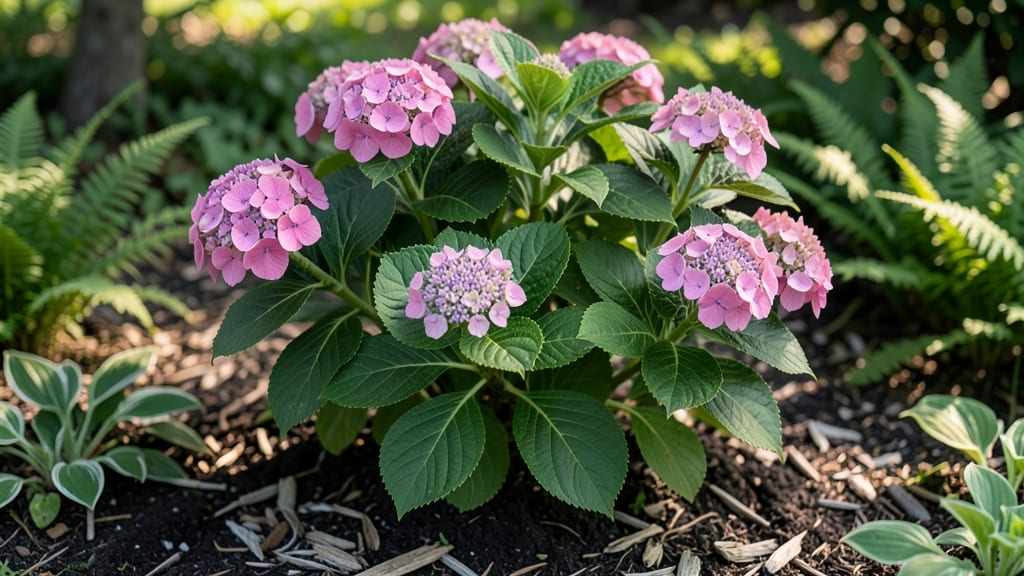
Planting hydrangeas in ground transforms your garden into a year-round blue-violet dream with minimal effort. 🌿 I’ve learned the hard way—skipping soil prep or over-pruning can turn those lush blooms into sad, leggy shrubs.
But when you nail the basics, you’ll have vibrant clusters from summer through fall, with winter interest too. The secret starts with well-draining soil (amend clay with compost) and morning sun—afternoon shade keeps leaves from scorching.
Dig a hole twice as wide as the root ball but no deeper, then water deeply before planting. Space them 3-5 feet apart for airflow and future growth.
Once established, hydrangeas reward you with bold, dramatic blooms that change color based on soil pH (add aluminum sulfate for blue, lime for pink). Mulch keeps roots cool, and one pruning session in late winter keeps them tidy without sacrificing flowers.
Avoid these mistakes: pruning too early (you’ll cut off next year’s blooms), underwatering (they wilt fast), or planting in heavy shade (fewer flowers). With the right spot and care, these shrubs become the showstopper of your garden—low-maintenance and impossible to resist.
📚 In This Guide
- What you need
- Instructions
- Tips and common mistakes
- Wrapping up and next steps
What you need
- ● Hydrangea plants: Choose macrophylla (bigleaf) or paniculata varieties for vibrant blooms. Buy 3–5 bare-root or potted plants (depending on garden size).
- ● Well-draining soil: Test your soil’s pH (ideal: 5.2–6.0 for blue blooms, 6.0–7.0 for pink). Amend with compost or peat moss if needed.
- ● Organic mulch: 2–3 inches of shredded bark, pine needles, or compost to retain moisture and regulate soil temp.
- ● Pruning shears: Sharp, bypass pruners (sterilized with rubbing alcohol) for minimal trimming.
- ● Garden gloves: Heavy-duty to protect hands from thorns and soil.
- ● Watering can or hose: With a gentle spray nozzle to avoid damaging flowers.
- ○ Stakes or supports: 6–12-inch wooden or metal stakes (optional but helpful for large varieties).
- ● Slow-release fertilizer: Balanced 10-10-10 or acid-loving plant food (apply in early spring).
- ● Soil pH test kit: To fine-tune blooms’ color (add aluminum sulfate for blue or lime for pink).
- ● Drip irrigation system: For consistent moisture (especially in hot climates).
- ● Plant tags: To track varieties and care notes.
Step-by-Step guide to planting hydrangeas for stunning year-round color
Here's how to plant hydrangeas for vibrant blooms—no complicated pruning required.
🌱 Step 1: Choose the Perfect Planting Spot
Hydrangeas thrive in partial shade with morning sun and afternoon shade—this prevents leaf scorch while ensuring enough light for blooms. Test your spot by observing how sunlight moves across it during the day. The ideal location gets 4-6 hours of filtered light but avoids harsh afternoon rays.
Check soil drainage by digging a 6-inch hole and filling it with water. If it drains completely within 2 hours, your soil is suitable. If water pools after that, amend the area with 2-3 inches of compost to improve drainage. Hydrangeas hate soggy roots, which leads to root rot and stunted growth.
🪴 Step 2: Dig and Prepare the Planting Hole
Dig a hole twice as wide as the hydrangea’s root ball but only as deep as the container it came in. Loosen the sides of the hole with a garden fork to encourage root spread. If your soil is heavy clay, mix in a 50/50 blend of native soil and peat moss to lighten it up—hydrangeas prefer slightly acidic, well-draining soil.
Place the hydrangea in the hole so the top of the root ball sits level with the surrounding soil—burying it too deep suffocates the plant, while planting too high stresses roots. Gently backfill with the amended soil, tamping lightly every 2 inches to remove air pockets. Water deeply to settle everything in place.
☀️ Step 3: Mulch and Water for Establishment
Spread 2-3 inches of organic mulch (like shredded bark or pine needles) over the soil surface, keeping it 3 inches away from the stem to prevent rot. Mulch conserves moisture and regulates soil temperature, which is critical for hydrangeas in hot climates. Avoid inorganic mulches like rocks—they don’t break down and improve soil over time.
Water deeply once a week for the first month, soaking the soil to a depth of 12 inches. You’ll know you’ve watered enough when the top 2 inches of soil feel moist but not soggy. After establishment, hydrangeas are drought-tolerant but bloom best with consistent moisture—wilting signals it’s time to water again.
✂️ Step 4: Prune Strategically for Year-Round Blooms
Wait until late winter or early spring (just as buds swell) to prune—this ensures you don’t accidentally cut off next year’s blooms. For mophead and lacecap hydrangeas, remove dead or crossing branches at the base, then cut back the remaining stems by one-third to encourage bushier growth. Avoid heavy pruning in fall, as new growth won’t harden off before winter.
Here’s the thing—hydrangeas bloom on old wood (last year’s growth), so prune lightly. If you see brown, woody stems, cut them back to healthy green growth. For panicle hydrangeas, which bloom on new wood, you can prune more aggressively in late winter to shape the plant. Watch for new shoots emerging in spring—this confirms you’ve pruned correctly.
🌿 Step 5: Feed and Maintain for Long-Term Health
Apply a balanced, slow-release fertilizer (like 10-10-10) in early spring when new growth appears. Use half the recommended dose—hydrangeas are sensitive to over-fertilizing, which leads to weak stems and fewer blooms. For blue blooms, add aluminum sulfate to acidic soil (test pH first—ideal is 5.2-5.5).
Monitor for aphids or powdery mildew, common issues with hydrangeas. Spray leaves with neem oil at the first sign of pests, and improve airflow by thinning dense foliage if needed. By mid-summer, you’ll see buds forming for next year’s blooms—this is your cue that the plant is happy and thriving.
Tips & tricks for perfect hydrangea planting
These insider tricks will help you avoid common pitfalls and get those vibrant blue-violet blooms all year long.
Lighting Secret: The 4-6 hours of filtered light mentioned in Step 1 is non-negotiable for color intensity. If your yard gets intense afternoon sun, consider planting near a north-facing wall or under deciduous trees that provide shade during summer months. I've seen hydrangeas in full sun wilt dramatically by midday—always test your spot for at least a week before planting to confirm the light conditions match what these beauties need.
Soil Test Tip: Before amending your soil in Step 1, grab a soil pH test kit (they're cheap at garden centers). Hydrangeas need slightly acidic soil (5.2-5.5) for those stunning blue blooms. If your test shows pH above 6.0, you'll need to add more aluminum sulfate later—this becomes especially important after Step 5 when you're fertilizing. I learned this the hard way when my first planting produced pink blooms instead of blue!
Planting Depth Hack: When placing your hydrangea in the hole during Step 2, use a small stick or marker to note the soil level at the top of the root ball. This visual reference helps you plant at exactly the right depth—level with surrounding soil. I've seen gardeners bury stems too deep, which suffocates the plant, or plant too high, causing root stress. That 2-inch tamping depth mentioned is crucial for removing air pockets that could prevent proper root establishment.
Winter Prep Strategy: After your first year of planting, prepare for winter by adding an extra 2-3 inches of mulch around your hydrangeas in late fall (before Step 3's mulching). This extra insulation protects roots from freeze-thaw cycles that can damage emerging buds. I've noticed that properly mulched plants show new growth earlier in spring, giving them a head start on the growing season.
Pro Tips for Hydrangeas In Ground
- These insider tricks will help you avoid common pitfalls and get those vibrant blue-violet blooms all year long.
- Lighting Secret: The 4-6 hours of filtered light mentioned in Step 1 is non-negotiable for color intensity.
- Soil Test Tip: Before amending your soil in Step 1, grab a soil pH test kit (they're cheap at garden centers).
Frequently asked questions
Got questions about growing hydrangeas in the ground? You’re not alone! Here are answers to the most common queries to help you cultivate stunning blooms with ease.
When is the best time to plant hydrangeas in the ground?
Plant hydrangeas in early spring or fall for optimal root establishment. Avoid extreme heat or frost, as these can stress young plants. If planting in late spring/summer, keep the soil consistently moist and mulch to retain moisture.
How often should I water hydrangeas planted in the ground?
Water deeply 1-2 times per week (more in extreme heat or drought). Aim for 1-1.5 inches of water per week, including rainfall. Hydrangeas love moisture—soak the soil around the roots to encourage strong growth and vibrant blooms.
Do hydrangeas in the ground need much pruning?
It depends on the type! Bigleaf and oakleaf hydrangeas bloom on old wood, so prune only to shape after flowering. Panicled and smooth hydrangeas bloom on new wood, so prune in late winter/early spring. Avoid heavy cuts—focus on removing dead or overcrowded stems.
Why aren’t my hydrangeas blooming like they should?
Common culprits include over-pruning (cutting back old wood), poor soil pH (blue blooms need acidic soil; pink needs alkaline), or underwatering. Test your soil and adjust with lime or sulfur if needed. Also, ensure they get partial shade (6+ hours of sunlight).
What pests or diseases should I watch for with ground-planted hydrangeas?
Keep an eye out for aphids, slugs, and spider mites, which can damage leaves and flowers. Fungal issues like powdery mildew or leaf spot thrive in humid conditions—improve airflow and avoid overhead watering. Neem oil or insecticidal soap can help treat mild infestations.
Wrapping up and next steps
Growing hydrangeas in the ground is a rewarding way to add vibrant color and texture to your garden with minimal effort! With the right soil, sunlight, and occasional care, these stunning plants will thrive year after year.
Whether you’re a seasoned gardener or just starting out, hydrangeas are a fantastic choice for low-maintenance beauty.
Now that you’re armed with tips and answers, why not roll up your sleeves and plant your first hydrangea? Start small—pick a spot, prep the soil, and watch your garden transform into a blooming masterpiece! 🌸✨