
Light Requirements
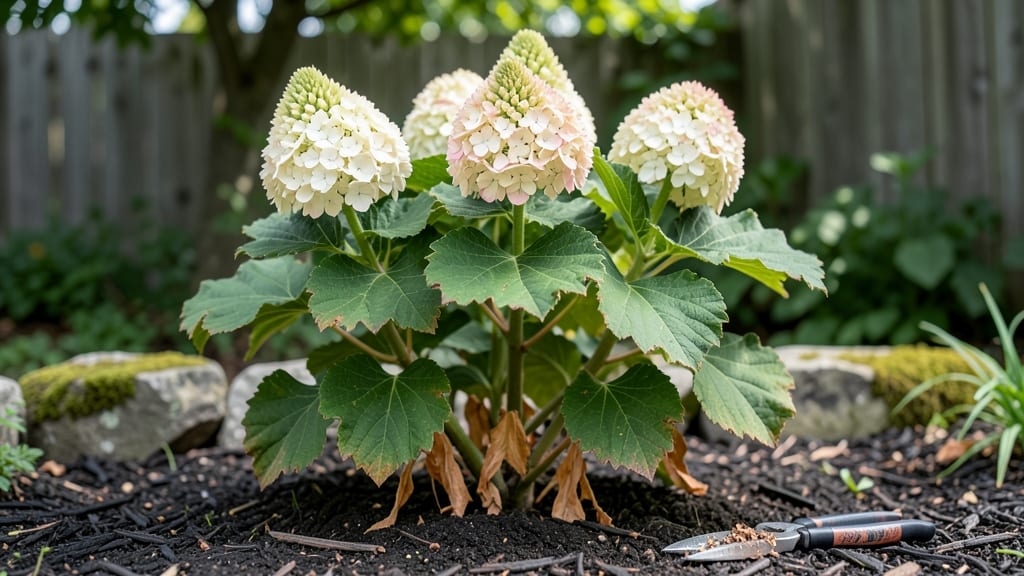
Oak leaf hydrangea light requirements are all about finding that sweet spot between morning sun and afternoon shade 🌿 — too much direct sun can scorch those gorgeous leaves, while too little holds back those lush blooms.
Picture this: your hydrangea wilting by midday or producing tiny flowers instead of the showstopper blooms you planted for. That’s not just bad luck — it’s a light mismatch, and the fix is simpler than you think.
These shrubs thrive with 4 to 6 hours of morning sunlight, then retreat into dappled shade as temperatures climb. The result? Vibrant foliage, bigger blooms, and a plant that looks effortlessly healthy year after year.
Below, I’ll break down exactly how to assess your garden’s sunlight, adjust for your climate, and spot the early warning signs when your oak leaf hydrangea is begging for better light.

Optimal light conditions for oak leaf hydrangea growth and blooming
Oak leaf hydrangeas (Hydrangea quercifolia) thrive with morning sun and afternoon shade, creating the perfect balance for vibrant foliage and abundant blooms. Unlike sun-loving varieties, these shrubs need protection from intense afternoon rays that can scorch delicate leaves.
Understanding this balance is key to unlocking their full potential—rich green leaves and striking white summer flowers that last well into fall.
The ideal light setup mimics their natural habitat in woodland understories, where they receive dappled sunlight. Too much direct sun causes stress, while too little shade results in smaller blooms and leggy growth.
By mastering this balance, you’ll encourage healthier roots and more robust flowering each season. Let’s break down the science and practical tips to get it right.
| Light Condition | Morning Sun Duration | Afternoon Shade Duration | Seasonal Adjustments | Impact on Plant |
|---|---|---|---|---|
| Ideal | 3-4 hours | 4+ hours | Spring: Gradual increase; Summer: Filtered shade | Vibrant leaves, large blooms |
| Too Much Sun | 6+ hours | <2 hours | Year-round | Scorched leaves, reduced blooms |
| Too Little Sun | <2 hours | 6+ hours | Year-round | Leggy growth, small flowers |
| Cooler Climates | 4-5 hours | 3+ hours | Summer: Light shade cloth | Healthy foliage, consistent blooms |
In spring and early summer, oak leaf hydrangeas benefit from 3-4 hours of morning sunlight (6 AM–10 AM), which kickstarts photosynthesis without overheating. This gentle sun exposure fuels leaf expansion and bud formation.
Afternoons (12 PM–4 PM) should shift to dappled or filtered shade, like under a light canopy or near deciduous trees.
Photosynthesis efficiency peaks in moderate light conditions—too much sun triggers oxidative stress, while too little slows growth. The chlorophyll in oak leaf hydrangeas absorbs blue and red light most effectively, which is why morning sun (rich in blue light) is ideal.
Test your garden’s light by placing a white sheet on the ground and observing shadows at different times of day.
Adjust light exposure seasonally: In summer’s intense heat, extend afternoon shade to 5+ hours by using sheer curtains or lattice screens. In cooler climates (Zones 4-6), they tolerate more direct sun—up to 5-6 hours daily—because lower temperatures reduce heat stress.
Always monitor leaf color: deep green means optimal light; yellowing signals too much sun.
For container-grown oak leaf hydrangeas, place pots near east-facing windows or under patio umbrellas. Rotate containers weekly to ensure even light exposure. If indoors, supplement with a grow light for 4-6 hours daily to mimic natural conditions.
Avoid south-facing windows, where unfiltered afternoon sun can cause leaf burn within weeks.
Leaf color is a direct indicator of light success. Oak leaf hydrangeas develop stunning fall foliage (reds, oranges, purples) when given the right light balance. Too little sun results in pale, weak leaves, while too much causes brown edges and crispy textures.
Aim for lush, glossy green leaves in summer—a sign your plant is thriving.
Bloom size is another light-dependent factor. Larger, showier flowers form when plants receive consistent morning sun and adequate afternoon shade. In low-light conditions, blooms may be smaller and less abundant.
To boost flowering, prune back old wood in late winter (before buds swell) to encourage new growth in optimal light.
If your hydrangea shows signs of stress (drooping, wilting, or leaf drop), it’s likely a light issue. Move it to a slightly shadier spot immediately and watch for recovery within 2-3 weeks. For new plantings, choose locations with morning sun and afternoon shade from nearby structures or
Signs your oak leaf hydrangea isn’t getting the right light
Your oak leaf hydrangea might be sending you signals about its light needs through its leaves and blooms. Yellowing leaves or scorched edges often mean too much direct sun, while small blooms or sparse foliage suggest it’s not getting enough light.
Understanding these signs helps you adjust placement before permanent damage occurs.
Oak leaf hydrangeas thrive in morning sun with afternoon shade, but they’re adaptable. The key is observing how your plant reacts to its current location.
For example, leaves curling or browning at the tips usually indicate heat stress from afternoon sun, while pale, leggy growth means it’s stretching for more light.
Light Exposure Diagnosis for Oak Leaf Hydrangeas
- Yellowing leaves (especially upper leaves)
- Scorched edges on foliage
- Premature leaf drop
- Stunted growth despite adequate water
- Small, sparse blooms
- Leggy, weak stems
- Pale green leaves (chlorosis)
- Slow growth despite proper care
If your hydrangea shows signs of over-exposure, try relocating it to a spot with dappled shade or using a light-colored shade cloth (30-50% blockage) during peak afternoon hours. For under-exposed plants, gradually introduce more light over 2-3 weeks to avoid shocking the foliage.
Another clue is the leaf color. Healthy oak leaf hydrangeas develop deep green leaves with bronze or reddish hues in fall. If leaves stay pale or lack vibrancy, it’s likely not getting enough bright indirect light. Even container-grown hydrangeas need 4-6 hours of morning sun to thrive.
Check the bloom size too. Oak leaf hydrangeas are known for their large, showy flowers, but if blooms are tiny or sparse, the plant may be light-deprived.
In contrast, too much sun can cause blooms to fade faster or develop brown tips. Adjusting light exposure can restore both leaf health and floral abundance.
For a quick fix, try placing your hydrangea near a patio or deck where it gets morning sun but is shaded by the structure in the afternoon. If indoors, an east-facing window is ideal. Monitor for changes over 4-6 weeks to confirm the new location is working.