
Plants
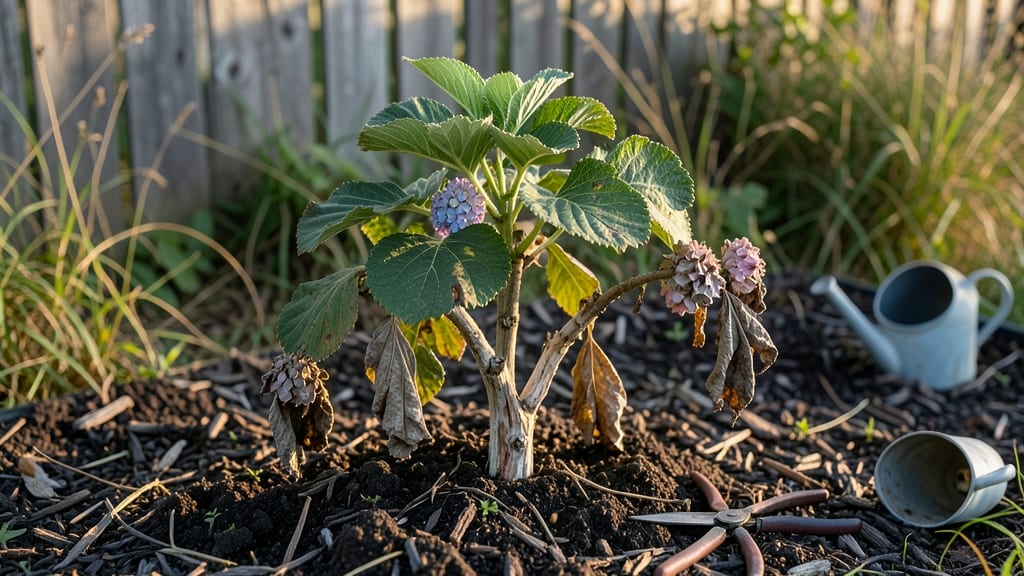
What do dead hydrangeas look like—those wilted stems and brown, leathery leaves that crumble at the touch? 🌿 I’ve seen healthy hydrangeas with glossy, deep-green foliage and plump buds turn into these sad, brittle husks overnight, and the difference is night-and-day obvious once you know what to watch for.
Healthy hydrangeas stand tall with firm, green stems and leaves that bounce back when you press them. But dead or dying ones? Their stems flop like overcooked spaghetti, leaves turn a dull brown or yellow, and buds either shrivel or never open at all.
Even the flower clusters lose their shape, collapsing into a sad, hollow mess.
The root causes run from overwatering (soggy roots can’t support the plant) to nutrient deficiencies (like nitrogen or magnesium) or even fungal diseases (like powdery mildew). The good news? Once you spot these signs early, you can often revive them with adjusted watering, fertilizer, or pruning.
Next steps start with checking the soil moisture and inspecting the stems for soft rot or pests. If the plant is beyond saving, don’t toss it—repurpose the stems for cuttings or compost. The key is acting fast before the whole bush turns into a sad, brown skeleton. Let’s diagnose yours!
Root Causes Of Hydrangea Death
When your hydrangeas start looking more like a sad, brown paper bag than a lush garden star, it’s usually a sign that something’s gone wrong beneath the soil—or even in the air around them.
Understanding why hydrangeas die is the first step to bringing them back to life (or at least preventing it from happening again). Let’s dig into the most common culprits and what they’re really doing to your plants.
Hydrangeas love moisture, but they’re not fans of soggy roots. When soil stays too wet for too long, roots suffocate from a lack of oxygen, leading to root rot—a fungal infection that turns roots mushy and brown.
This cuts off the plant’s ability to absorb water and nutrients, causing leaves to wilt, turn yellow, or develop a leathery, papery texture.
Why it happens:
- Compacted or clay soil holds excess water like a sponge, never drying out.
- Overzealous watering (especially in containers or heavy rain seasons) drowns roots.
- Lack of mulch or proper soil amendments traps moisture at the root zone.
💡 Pro Tip: Stick your finger 2 inches into the soil—if it’s damp, wait to water. If your hydrangea is in a pot, ensure it has drainage holes and use a well-draining potting mix.
On the flip side, hydrangeas can also die from neglect—specifically, when they’re left high and dry for too long. Without enough water, leaves curl inward, turn crispy or brown at the edges, and eventually drop off.
The stems may also feel hollow when squeezed, a sure sign of severe dehydration.
Why it happens:
- Inconsistent watering (e.g., forgetting during heatwaves or dry spells).
- Shallow root systems in young plants that can’t reach deep moisture.
- Evaporative stress from hot, windy, or sunny conditions without shade.
💡 Pro Tip: Water deeply 1-2 times per week (more in extreme heat) and aim for 1-2 inches of water per session. Mulching with wood chips or straw helps retain moisture.
Hydrangeas are heavy feeders, and if their soil lacks essential nutrients, they’ll show it in dramatic ways. Yellowing leaves, stunted growth, or leaves that look thin, weak, or pale often signal a deficiency—usually in nitrogen, phosphorus, or micronutrients like iron or magnesium.
Over time, this weakens the plant’s immune system, making it susceptible to disease or pests.
Why it happens:
- Poor soil quality (e.g., sandy soil that drains too fast or alkaline soil blocking iron uptake).
- No fertilizer or organic matter (like compost) added in spring.
- Over-fertilizing with high-salt fertilizers, which burn roots and lock out nutrients.
💡 Pro Tip: Test your soil’s pH (hydrangeas prefer 5.2–6.0 for most varieties) and amend with organic matter like compost or peat moss. Use a balanced fertilizer (10-10-10) in early spring and mid-summer.
Hidden invaders can silently drain the life from your hydrangeas. Japanese beetles, aphids, or scale insects suck sap from leaves and stems, causing them to wilt, blacken, or drop prematurely.
Fungal diseases like powdery mildew or botrytis blight thrive in humid conditions, creating gray mold or white fuzzy coatings that suffocate plant tissue.
Why it happens:
- Pests multiply in hot, dry weather or crowded gardens.
- Fungal spores spread via wind, water, or contaminated tools.
- Weak plants (from stress or poor care) are easier targets.
💡 Pro Tip: Inspect leaves weekly for pests or spots. Treat aphids with neem oil or beetles with milky spore. For fungal issues, prune affected areas and apply copper fungicide.
Hydrangeas are sensitive to extreme conditions. Sudden temperature swings, freezing winters, or scorching summer heat can shock the plant, causing leaves to scorch, blacken, or drop. Even windburn can dry out leaves, making them crispy and brittle.
Why it happens:
- Late spring frosts damage new growth.
- Heatwaves without shade cause leaf burn.
- Transplant shock from moving plants in peak summer.
💡 Pro Tip: Protect young plants with burlap wraps in winter or provide afternoon shade in summer. Water deeply before expected frost to help roots survive.
Most of the time, hydrangea death is a combination of these factors—not just one. The good news? Once you identify the root cause, you can fix it fast and revive your plant (or at least save next year’s blooms).
Stay tuned for our next section on how to diagnose and treat dying hydrangeas!
Revive Your Hydrangeas Now
Dead or dying hydrangeas don’t have to mean the end of your garden’s beauty. With the right approach, you can often bring them back to life—or at least salvage the plant for next season.
Below, we’ll break down practical fixes for the most common causes of dead or dying hydrangeas, along with prevention tips to keep them thriving.
If your hydrangeas have soft, mushy stems or floppy, wilted leaves, the issue is likely underwatering, root rot, or heat stress.
🔥 Step 1: Check the Roots (Gently!)
Before taking drastic action, inspect the roots to confirm the problem:
- Healthy roots are firm, white, or light tan.
- Rotten roots are dark, mushy, and smell foul.
- Dry, brittle roots indicate severe underwatering.
⚠️ Pro Tip: If roots are rotting, do not repot immediately—this can spread disease. Instead, trim away the bad roots with sterilized scissors before replanting.
💧 Step 2: Adjust Watering Habits
Hydrangeas need consistent moisture but hate soggy soil.
| Problem | Solution | Prevention |
|---|---|---|
| Underwatering | Water deeply 2-3 times per week (1-2 inches per week). Mulch to retain moisture. | Install a soaker hose or drip irrigation for slow, steady watering. |
| Overwatering | Let the top 1-2 inches of soil dry before watering. Improve drainage with perlite or sand. | Plant in well-draining soil and avoid waterlogging (e.g., low spots in the yard). |
| Heat Stress | Water in the early morning to reduce evaporation. Provide afternoon shade in extreme heat. | Use light-colored mulch to reflect heat and drip irrigation to keep roots cool. |
🌡️ Step 3: Trim Damaged Stems
- Cut back soft, brown, or mushy stems to healthy green tissue (about ½ inch above the damage).
- If most stems are dead, prune back to 12-18 inches from the ground—new growth may sprout from the base.
If your hydrangeas have dry, papery, or crispy leaves, the culprits are usually drought, sunscald, or fungal issues.
☀️ Step 1: Protect from Harsh Sun & Wind
- Move potted hydrangeas to a sheltered, partially shaded spot (especially in full sun climates).
- Avoid pruning too late in the season—new growth can get sunscald in winter.
💡 Step 2: Boost Humidity & Airflow
Hydrangeas love moisture-rich air:
- Mist leaves daily in dry climates.
- Group plants together to create a microclimate.
- Avoid overhead watering (can promote fungal diseases like powdery mildew).
🧹 Step 3: Clean Up & Fertilize
- Remove all dead leaves to prevent fungal spread.
- Apply a balanced fertilizer (10-10-10 or 20-20-20) in early spring to encourage new growth.
- Avoid high-nitrogen fertilizers in late summer—they promote tender new growth that can’t survive winter.
If your hydrangeas died back to the ground after winter, they may have suffered from freeze damage, frost heave, or late-season pruning.
⏰ Step 1: Wait Before Pruning
- Never prune winter-damaged hydrangeas until late spring—new growth may still emerge from dormant buds.
- If no green shoots appear by mid-May, the plant is likely dead (but check roots before giving up!).
🌡️ Step 2: Mulch & Protect Next Year
- Add 3-4 inches of mulch around the base in late fall to insulate roots.
- Wrap young plants in burlap or frost cloth in extreme cold zones.
- Avoid pruning in fall—this removes protective buds for winter.
🔄 Step 3: Consider Replanting or Layering
- If the crown (base) is still alive, trim back dead stems and give it time.
- If completely dead, dig up the roots—sometimes hydrangeas send out underground suckers that can be replanted.
- Propagate from cuttings if you have a healthy plant nearby.
If your hydrangea is beyond saving (no green growth, no roots, or severe disease), it’s time to replace it. But before you do: ✅ Check the soil—hydrangeas often die from poor drainage or nutrient depletion. ✅ Test pH levels—they thrive in acidic soil (pH 5.2-6.0).
Use sulfur or peat moss to adjust if needed. ✅ Choose disease-resistant varieties like ‘Endless Summer’ or ‘Nikko Blue’ for next time.
Final Pro Tip: 🌿 Hydrangeas are resilient! Even if they look dead in winter, they often rebound in spring. Stay patient, adjust care, and your hydrangeas will thank you with lush blooms next season.
Frequently asked questions
Can dead hydrangeas regrow if I cut them back?
Yes, but only if the crown (base) is still alive! If you see any green shoots or firm tissue at the base, prune back to healthy growth (about 12-18 inches from the ground) and give it time. If the entire plant is brown and mushy, it’s likely dead—but check the roots first!
What’s the difference between dead and dormant hydrangeas?
Dormant hydrangeas have brown stems but firm, intact buds—they’ll sprout new growth in spring. Dead ones have shriveled, hollow stems that crumble easily, no buds, and often a foul smell from rot. Test by gently scraping the stem: green underneath means life!
Why do my hydrangea leaves turn brown and crispy?
This usually signals underwatering, heat stress, or fungal issues. Check the soil—if it’s bone-dry, water deeply and mulch. If leaves have white powdery spots, it’s likely powdery mildew. Prune affected areas and apply copper fungicide for prevention.
How can I tell if my hydrangea is dead vs. just struggling?
Struggling hydrangeas have some green leaves or buds but weak stems. Truly dead ones have no green at all, stems that snap easily, and often a musty odor from rot. Dig up a small section of root—if it’s dark and mushy, the plant is beyond saving.
Can I save a hydrangea that’s been dead for weeks?
Probably not—but don’t give up yet! If the crown is still firm, try propagating from cuttings. Take 6-inch stems with nodes, dip in rooting hormone, and place in water. Even if the parent plant is gone, you might revive it this way!