
Blooming
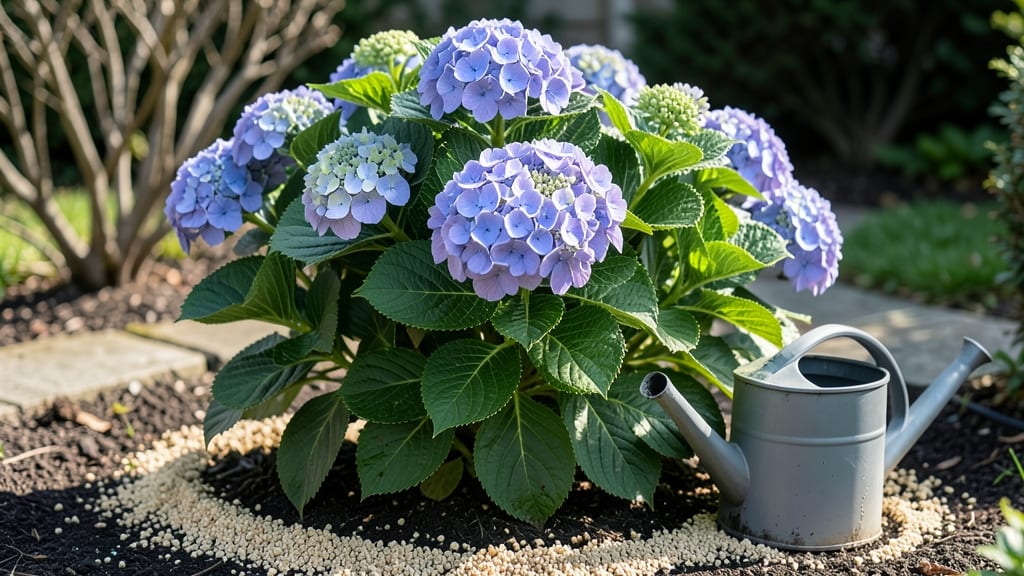
What helps hydrangeas bloom—even when they seem stubborn? The answer isn’t more fertilizer—it’s your soil’s pH level. 🌸 I’ve watched my own hydrangeas go from sparse buds to lush clusters just by tweaking one simple factor, and it’s easier than you think.
The secret lies in understanding how acidity or alkalinity transforms those tiny green buds into vibrant blooms, sometimes even changing their color overnight.
Most hydrangeas need soil pH between 5.2 and 6.0 for peak flowering, but the exact range depends on your variety. Blue hydrangeas (like Endless Summer) crave acidity, while pink and purple varieties thrive in slightly alkaline soil.
The good news? You can test your soil in 10 minutes with a simple kit, and adjustments take just a few weeks to show results.
Once you’ve got the pH right, consistent watering and pruning become your next allies. Hydrangeas hate soggy roots but despise drought even more—aim for 1-2 inches of water per week.
And prune last year’s blooms in late winter or early spring before new growth appears. That’s when you’ll see the real magic happen.
Here’s the best part: these same tricks work whether you’re growing in containers or garden beds. Next time you see hydrangeas struggling, don’t grab more fertilizer—grab a pH test kit instead. The color shift alone makes it worth the effort.
📚 In This Guide
- What you need
- Instructions
- Tips and common mistakes
- Wrapping up and next steps
What you need
- ● Hydrangeas: Mophead, lacecap, or oakleaf varieties (ensure they’re healthy with no signs of disease).
- ● pH Test Kit: Digital or liquid test strips (e.g., Luster Leaf Rapitest or API Soil pH Test Kit) to measure soil pH (1 kit covers ~100 tests).
- ● pH Adjusters: For Acidic Soil (pH 5.5–6.0): Elemental sulfur (5–10 lbs per 100 sq ft) or aluminum sulfate (1–2 lbs per 100 sq ft).
- ● For Alkaline Soil (pH 6.0–7.0+): Hydrated lime (5–10 lbs per 100 sq ft) or pine bark fines (3–5 inches mixed into soil).
- ● Garden Gloves: Heavy-duty nitrile gloves (1 pair) to protect hands from sulfur/lime.
- ● Garden Fork or Tiller: For amending soil (rent or buy a 10–12-inch model).
- ● Watering Can or Hose: With a gentle spray nozzle for even moisture distribution.
- ● Organic Mulch: Pine needles, oak leaves, or peat moss (2–3 inches thick) to maintain soil acidity.
- ● Slow-Release Fertilizer: Balanced 10-10-10 or acid-loving plant formula (e.g., Miracle-Gro Azalea, Camellia & Rhododendron) to boost blooms.
- ● Rain Gauge: To monitor watering (hydrangeas love 1–1.5 inches/week).
- ● Pruning Shears: Sharp, bypass-pruners (for post-bloom cleanup).
- ● Container Growers: Acidic potting mix (e.g., Black Gold Natural & Organic) if planting in pots.
Step-by-step instructions for maximizing hydrangea bloom vibrancy
Here's the method I rely on to transform hydrangeas from modest bloomers to showstopping displays.
💧 Step 1: Test and Adjust Soil pH Precisely
Hydrangeas change color based on soil pH—blue blooms thrive in acidic soil (pH 5.0-5.5), while pink blooms prefer neutral to slightly alkaline (pH 6.0-7.0). Use a soil test kit to measure your current pH before making adjustments. I like to test in spring, right after the first flush of new growth appears.
To lower pH (for blue flowers), add elemental sulfur at 1 pound per 100 square feet and water thoroughly. For pink blooms, amend with lime at 5 pounds per 100 square feet. Re-test soil after 2-3 months—pH changes take time. Overcorrecting can damage roots, so check progress gradually.
☀️ Step 2: Provide Consistent Moisture Without Overwatering
Hydrangeas need 1-1.5 inches of water weekly, but soggy soil causes bud drop. I water deeply 2-3 times per week in summer, focusing on the root zone. The best time is early morning—this prevents fungal issues and ensures blooms stay vibrant. You'll know moisture is right when the top 2 inches of soil feel damp but not saturated.
Mulch heavily with 3-4 inches of organic mulch (like shredded bark) to retain moisture and regulate soil temperature. Keep mulch 6 inches away from stems to prevent rot. In hot climates, I add mulch in late spring to protect roots from drying out.
✂️ Step 3: Prune Strategically for Next Season's Blooms
Timing matters—prune mophead and bigleaf hydrangeas in late winter or early spring (before buds swell) to encourage new growth. Cut back last year's stems by ⅓ to stimulate fresh blooms. For panicle and smooth hydrangeas, prune in late winter or early spring to remove dead wood and shape the plant.
Never prune in fall—this removes next year's flower buds. If you see leggy growth, it's a sign of too much shade or inconsistent watering. Trim back overgrown branches to 12-18 inches from the base to encourage bushier, more vibrant blooms.
🌿 Step 4: Feed with the Right Fertilizer Balance
Use a balanced fertilizer (10-10-10) in early spring when new growth appears. I apply ½ pound per 100 square feet, following package instructions. For extra vibrancy, add magnesium sulfate (Epsom salt) at 1 tablespoon per gallon of water every 4-6 weeks during the growing season. This boosts flower production and color intensity.
Avoid high-nitrogen fertilizers—they promote leafy growth at the expense of blooms. If your hydrangeas have lush foliage but few flowers, switch to a low-nitrogen, high-phosphorus fertilizer (5-10-10). Always water deeply after fertilizing to prevent root burn.
Tips & tricks for perfect hydrangea bloom vibrancy
These science-backed tricks will help you transform your hydrangeas into vibrant showstoppers without the guesswork.
Soil pH Precision: The 2-3 month waiting period after amending soil is crucial—don't rush! I've seen gardeners overcorrect pH by adding too much sulfur or lime at once, which can actually damage roots. Test again after 6 weeks, then make smaller adjustments if needed. Remember, blue blooms need pH 5.0-5.5 while pink thrives at 6.0-7.0. A simple pH test kit costs under $10 and saves you from costly mistakes.
Watering Wisdom: That 1-1.5 inches of water weekly is non-negotiable for vibrant blooms, but timing matters just as much. I water my hydrangeas between 6-8 AM when evaporation rates are lowest. The top 2 inches of soil should feel damp but not soggy—think of a wrung-out sponge. In containers, check moisture daily as they dry out faster. Overwatering is the #1 cause of bud drop, so when in doubt, wait another day.
Pruning Payoff: The late winter/early spring timing for pruning is critical—never prune in fall as you'll remove next year's flower buds. For mophead and bigleaf varieties, cutting back last year's stems by ⅓ opens up the plant to sunlight, which is what makes those blooms pop. I like to prune on a dry day when temps are above freezing to reduce stress on the plant. Use clean, sharp pruners and make cuts at a 45-degree angle just above a leaf node.
Fertilizer Strategy: That balanced 10-10-10 fertilizer is your foundation, but the magnesium sulfate (Epsom salt) is where the magic happens for vibrant color. I mix it directly into watering cans and apply every 4-6 weeks during growing season. For plants with too many leaves and few blooms, switch to the 5-10-10 formula—it's like telling your hydrangea "grow flowers, not leaves!" Always water deeply after fertilizing to prevent root burn, which can happen even with organic amendments.
Pro Tips for What Helps Hydrangeas Bloom
- These science-backed tricks will help you transform your hydrangeas into vibrant showstoppers without the guesswork.
- Soil pH Precision: The 2-3 month waiting period after amending soil is crucial—don't rush! I've seen gardeners overco...
- Watering Wisdom: That 1-1.5 inches of water weekly is non-negotiable for vibrant blooms, but timing matters just as m...
Frequently asked questions
Why aren’t my hydrangeas blooming this year?
Hydrangeas often bloom on old wood (last year’s growth) or new wood (current season’s growth), depending on the variety. If they’re not blooming, check for:
- Pruning mistakes: Cutting back too late (after blooms appear) or too aggressively.
- Insufficient sunlight: Most need 4–6 hours of sun daily.
- Nutrient deficiencies: Test soil pH (aim for 5.2–6.0 for blue/purple blooms).
- Dormancy: Some varieties (like Hydrangea macrophylla) need winter chill to bloom.
Can I change my hydrangea’s flower color?
The color of macrophylla hydrangeas (like Endless Summer) shifts based on soil pH:
- Blue/purple: Acidic soil (pH 5.2–5.5). Add sulfur or pine needles.
- Pink/red: Neutral to alkaline soil (pH 6.0–7.0). Use lime or wood ash.
When is the best time to prune hydrangeas for blooms?
Timing depends on the type:
- Old wood bloomers (e.g., macrophylla): Prune right after flowering (late summer/early fall) to avoid cutting off next year’s blooms.
- New wood bloomers (e.g., paniculata, arborescens): Prune in late winter/early spring before new growth starts.
How much water do hydrangeas need to bloom?
Hydrangeas love consistent moisture—especially during bloom season. Aim for:
- 1–1.5 inches of water per week (more in extreme heat).
- Mulch around the base to retain moisture and regulate soil temp.
- Avoid soggy soil: Overwatering can cause root rot. Ensure pots have drainage holes!
What if my hydrangea leaves are yellow or wilted?
Yellow leaves or wilting often signal stress. Check for:
- Over/underwatering: Wilting = thirsty; yellowing = too much water.
- Pests: Aphids or spider mites suck sap, causing leaf drop. Spray with neem oil.
- Temperature shock: Sudden cold or heat can stress plants. Provide shade in summer if needed.
- Nutrient issues: Yellowing veins? Add iron or chelated fertilizer.
Wrapping up and next steps
Growing hydrangeas with vibrant blooms is all about patience, soil science, and a little experimentation! 🌸 By tweaking your soil’s pH, feeding them the right nutrients, and giving them the perfect light and water, you’ll unlock those stunning color shifts—from blues to pinks and everything in between.
Remember, even the pros started with a single plant, so don’t be discouraged if it takes a season or two to see the magic.
Now that you’re armed with these expert tricks, grab your gloves and get ready to transform your garden! Start by testing your soil’s pH this weekend—your hydrangeas will thank you with show-stopping blooms next year. Happy gardening! 🌿✨