
Blooming
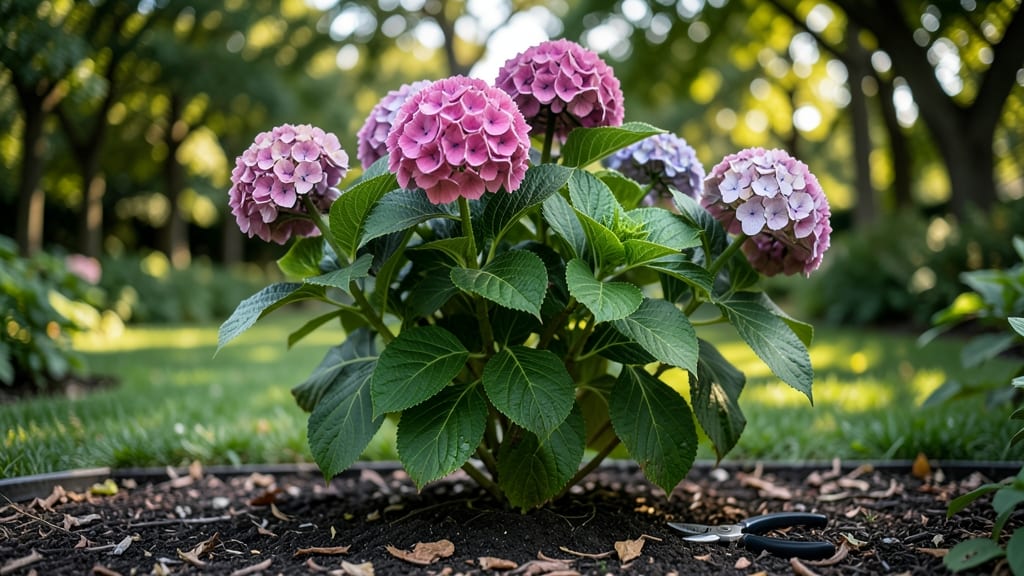
Hydrangea bushes bloom in late spring to summer, with timing that shifts dramatically depending on your climate zone and the variety you’ve planted.
If you’ve ever wondered why your neighbor’s 💮 hydrangea is already a riot of color while yours is still dormant, the answer lies in your USDA zone—and a few other surprises.
Some varieties, like the classic mophead, burst into bloom as early as May in Zone 6a, while others, like panicle types, wait until mid-summer or even fall.
This isn’t just about luck—it’s about understanding how your local frost dates, soil conditions, and even last year’s pruning habits influence when those iconic flower clusters appear.
Get this right, and you’ll enjoy blooms for weeks; get it wrong, and you might end up with a bush full of leaves but no flowers.
Below, I’ll break down the exact months your hydrangeas should bloom in your zone, how to adjust care for early vs. late bloomers, and the simple tweaks that can turn a sparse display into a lush, repeat-flowering showstopper.
Hydrangea bloom timing by USDA climate zones: month-by-month guide
Understanding hydrangea bloom timing is all about knowing your USDA hardiness zone and local microclimates. While most hydrangeas bloom between late spring and summer, exact timing shifts dramatically from Zone 3 to Zone 9.
In colder zones, blooms may arrive as early as May, while warmer climates can see flowers as late as September. Even within the same zone, coastal areas often bloom 2-4 weeks earlier than inland regions due to milder winters.
Your hydrangea variety also matters—mophead types (like 'Nikko Blue') typically bloom earlier than panicle varieties (like 'Limelight'), which often produce late-summer flowers. To predict your local schedule, check the USDA Plant Hardiness Zone Map and adjust for your region's last frost date.
For example, Zone 7 gardeners in the Pacific Northwest may see blooms in June, while those in the Deep South could enjoy flowers as early as April.
Here’s how bloom timing breaks down by zone, including early, peak, and late windows with regional notes:
If you’re in Zone 3 or 4, your hydrangeas may bloom just once in late summer, while Zones 7-9 often enjoy two flushes—one in spring and another in fall.
To extend your bloom season, choose reblooming varieties like 'Endless Summer' or 'You & Me,' which produce flowers on new wood. These types can rebloom if you prune after flowering in late summer, though they may skip a season if winter damage occurs.
For old wood bloomers (like 'Annabelle' or 'Grandiflora'), timing is critical. These varieties set buds the previous summer, so pruning at the wrong time can mean no blooms the next year.
Always prune old wood types in late winter (just as buds swell) and avoid cutting back new wood types until spring. In Zone 5-6, for example, pruning too early can expose tender growth to late frosts, while waiting too long may reduce next year’s blooms.
Regional variations also play a role. In the Pacific Northwest, cooler summers mean hydrangeas often bloom later but longer, while the Deep South may see earlier but shorter bloom cycles due to heat stress.
To adapt, provide afternoon shade in hot climates and mulch heavily in colder zones to protect roots. Monitoring your local last frost date and adjusting care accordingly can help you predict—and extend—your hydrangea’s bloom season.
Pro tip: Use a gardening journal to track your hydrangea’s bloom dates over 3-5 years. Note when buds form, peak bloom, and when flowers fade. This helps you anticipate annual changes caused by weather patterns, like early springs or late frosts.
For example, if your Zone 7 hydrangea blooms in June one year but May the next, a warmer winter likely shifted the timeline. Adjusting fertilizer schedules or pruning times based on these observations can keep your blooms consistent and vibrant.
One common mistake is assuming all hydrangeas bloom at the same time. Panicle hydrangeas (like 'Little Lime') often bloom 1-2 weeks later than mopheads, and oakleaf types (like 'Snow Queen') may produce fall blooms in addition to summer flowers.
If you’re planning a garden color show, mix varieties to create a sequential bloom display from May through September. For instance, pair an early mophead with a late panicle for a nonstop floral spectacle.
Finally, don’t overlook the role of soil pH in bloom timing. Acid-loving hydrangeas (like blue varieties) may bloom ear
How to adjust care for early vs. late-blooming hydrangeas
Understanding your hydrangea’s bloom timing is key to maximizing its beauty. Early bloomers like 'Annabelle' burst into color in late spring, while late bloomers such as 'Limelight' shine in summer or fall. Each type requires a different care approach to ensure vibrant blooms year after year.
Your pruning schedule is the biggest game-changer. Old wood bloomers (like 'Nikko Blue') set buds in previous year’s growth, so prune them right after flowering.
Meanwhile, new wood bloomers (like 'Endless Summer') produce flowers on current season’s growth, so prune them in late winter or early spring.
💡 When Do Hydrangea Bushes Bloom?
- Early Bloomers: Late May - June (e.g., 'Annabelle', 'Grandiflora')
- Mid-Season: July - August (e.g., 'Endless Summer', 'Little Lime')
- Late Bloomers: August - September (e.g., 'Limelight', 'Panicle types')
- Extended Season: Some varieties rebloom with proper care (e.g., 'You & Me')
For early bloomers, focus on fertility in late winter to jumpstart growth. Use a balanced fertilizer (like 10-10-10) when you see new shoots emerge. Late bloomers, however, benefit from a light feeding in early summer to support their second flush of flowers.
Winter care also differs by bloom type. Old wood varieties need protection from late winter cold (especially in USDA Zones 5-7new wood types handle winter better but may need mulch to insulate roots. Always use 3-4 inches of mulch after the first frost.
Adjust your watering routine based on bloom timing too. Early bloomers need consistent moisture as buds form in spring, while late bloomers may require more frequent watering in summer when temperatures rise. Aim for 1 inch of water weekly, adjusting for rain.
By tailoring your pruning, fertilizing, and winter prep to your hydrangea’s bloom type, you’ll ensure longer, more abundant flowers every season. Start by identifying your variety—then adjust your care routine accordingly! 🌸